AIWA AD-F990 (JAPAN 1983)
|
|
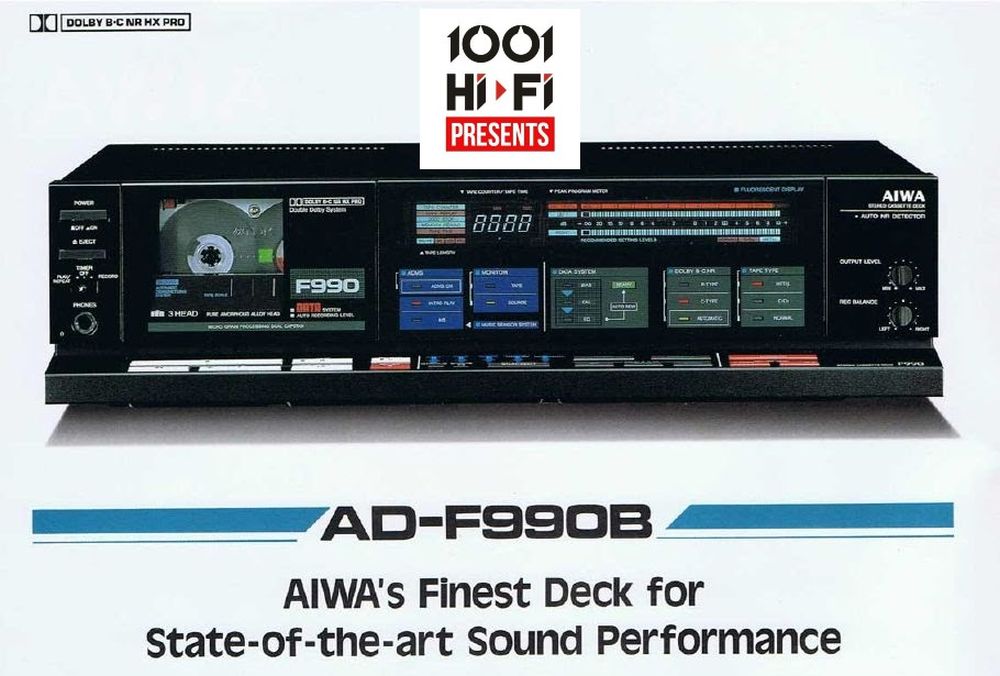
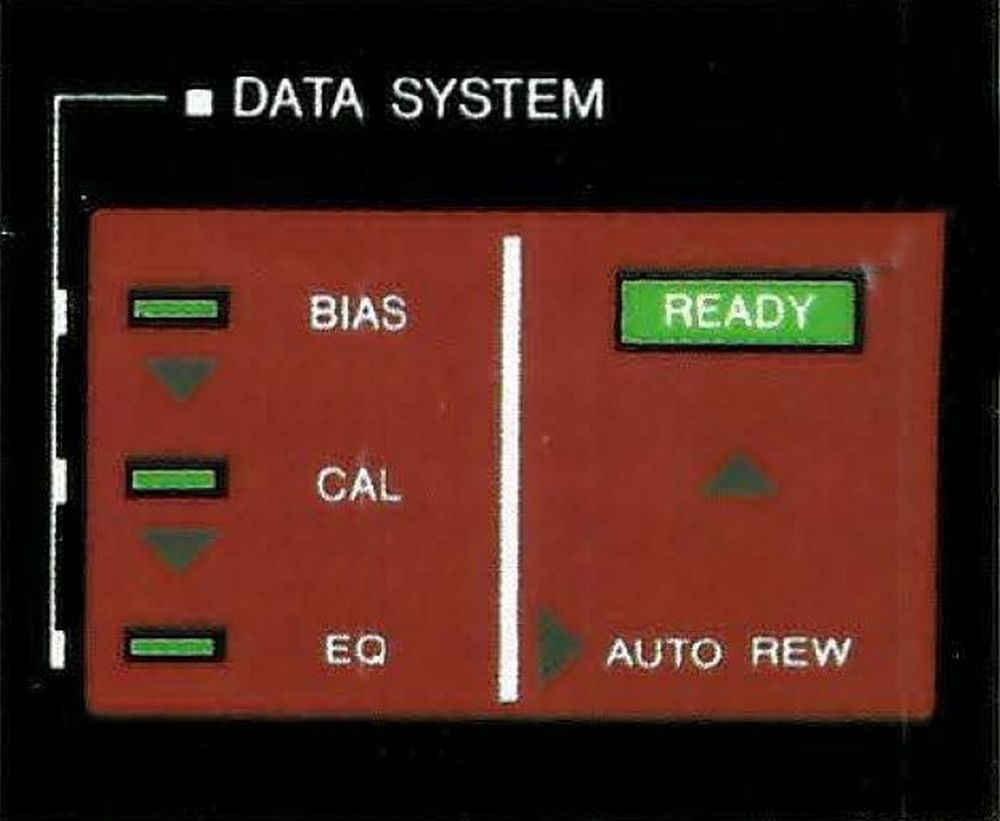
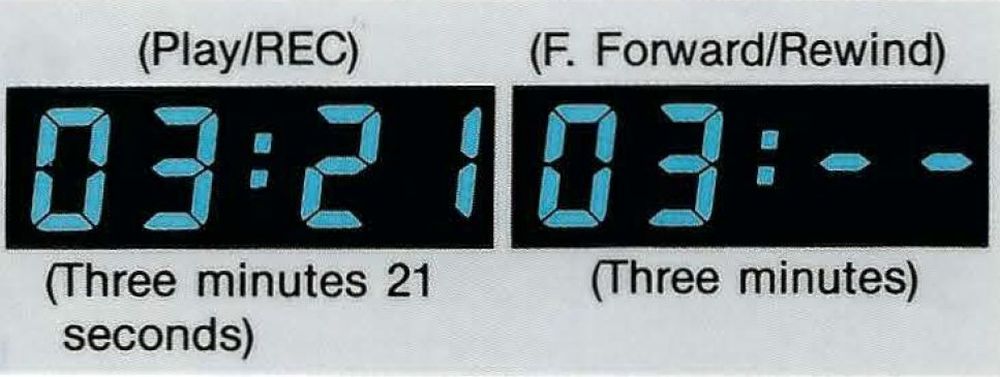
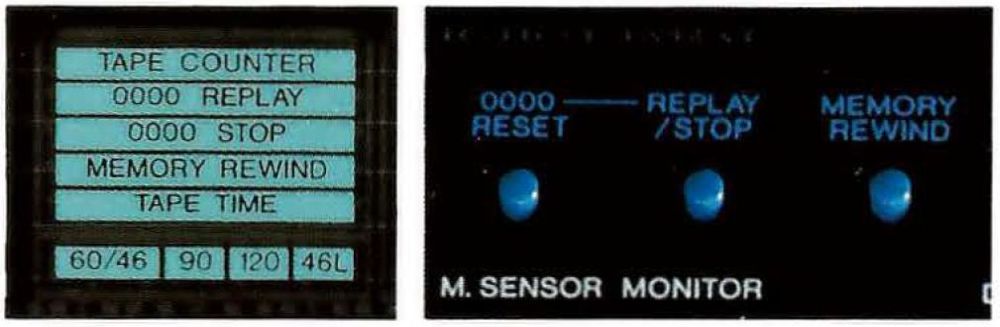
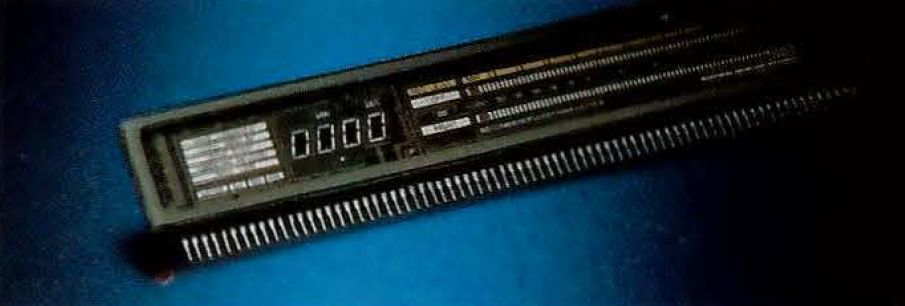
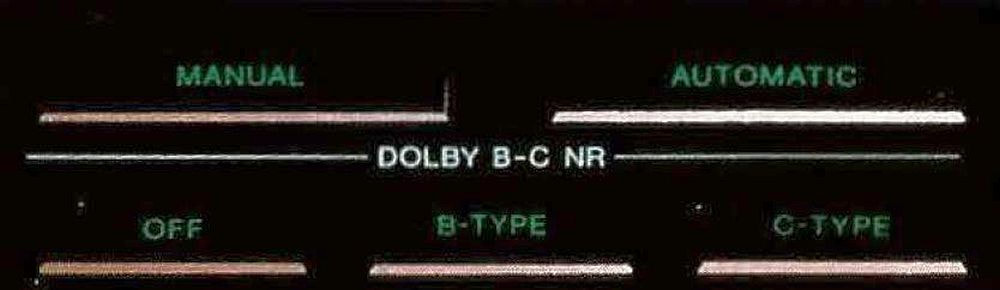
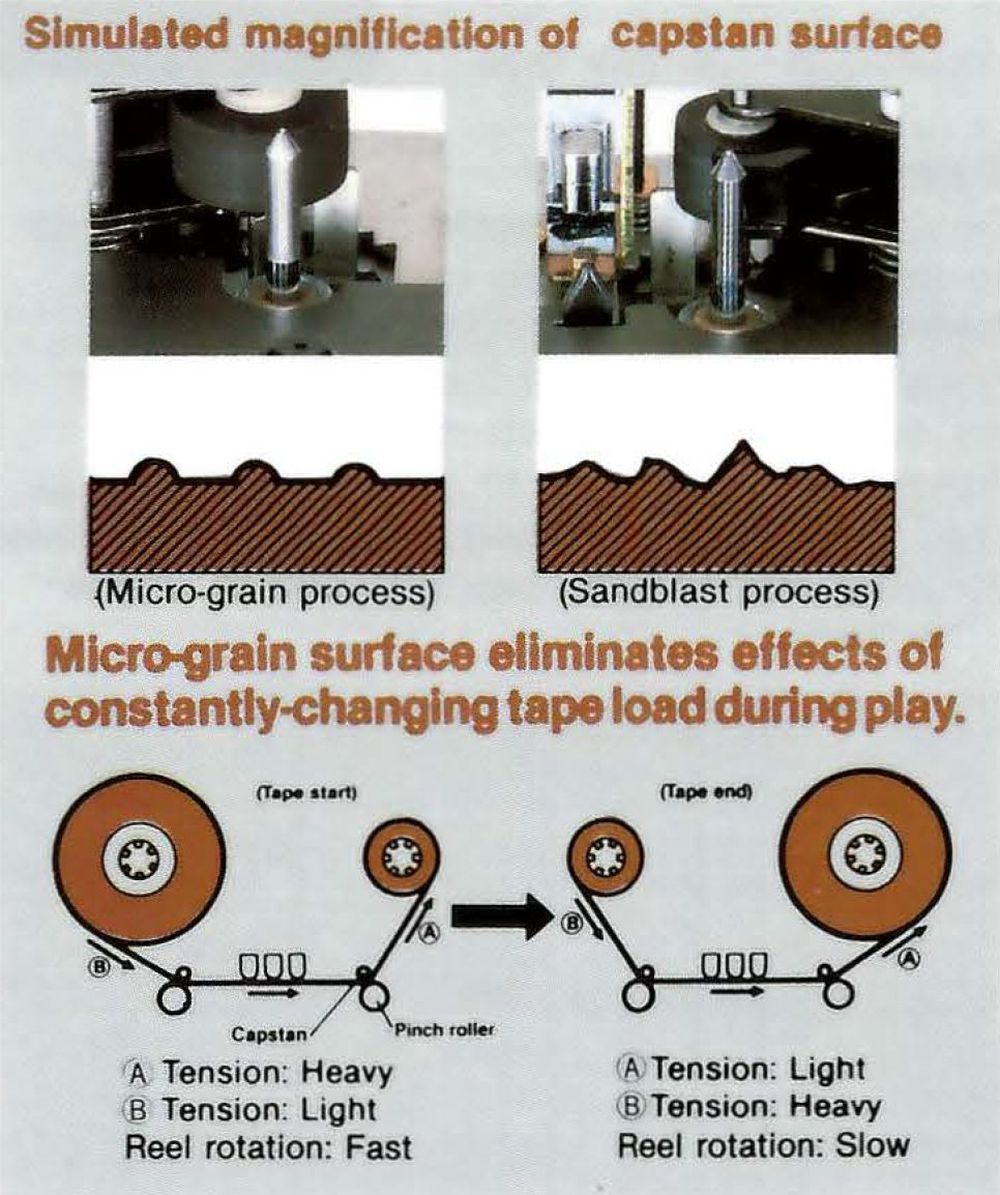
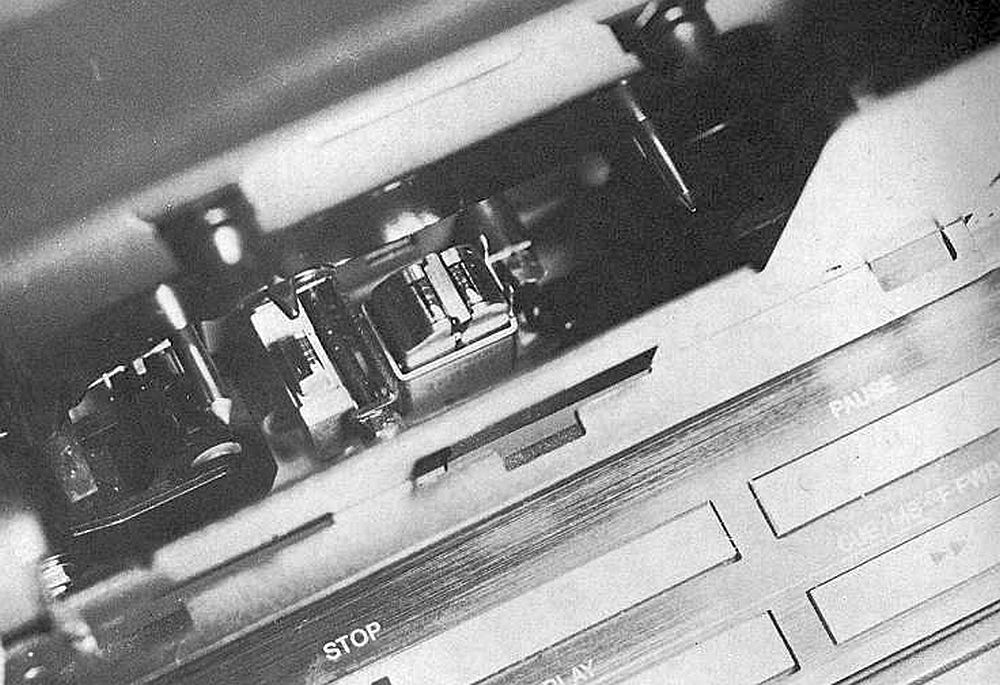
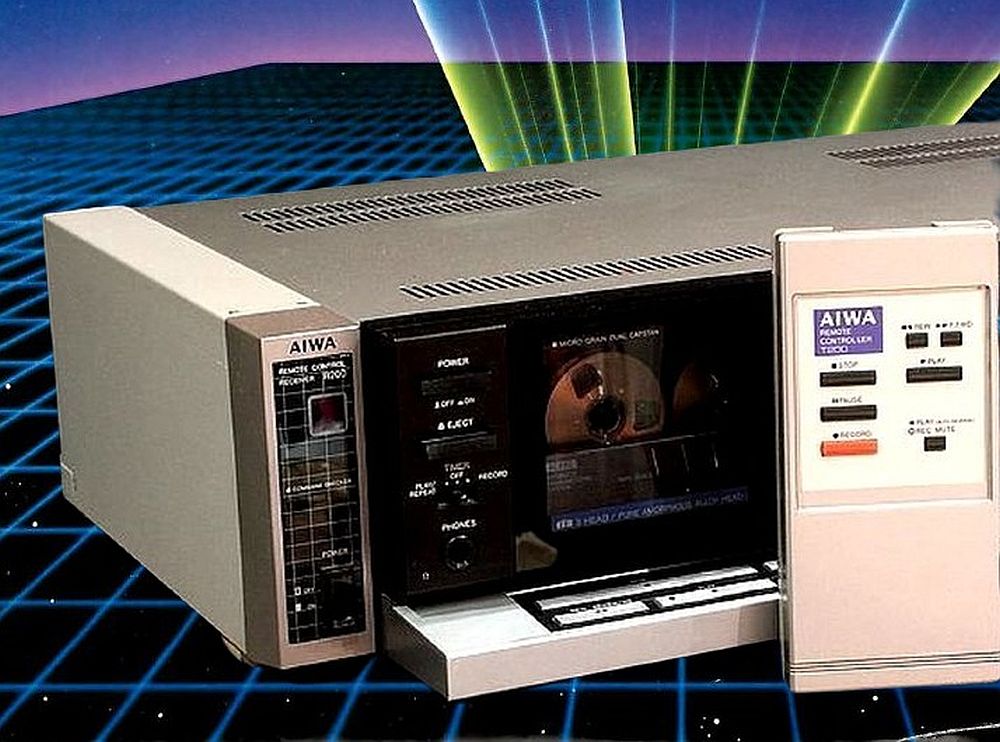
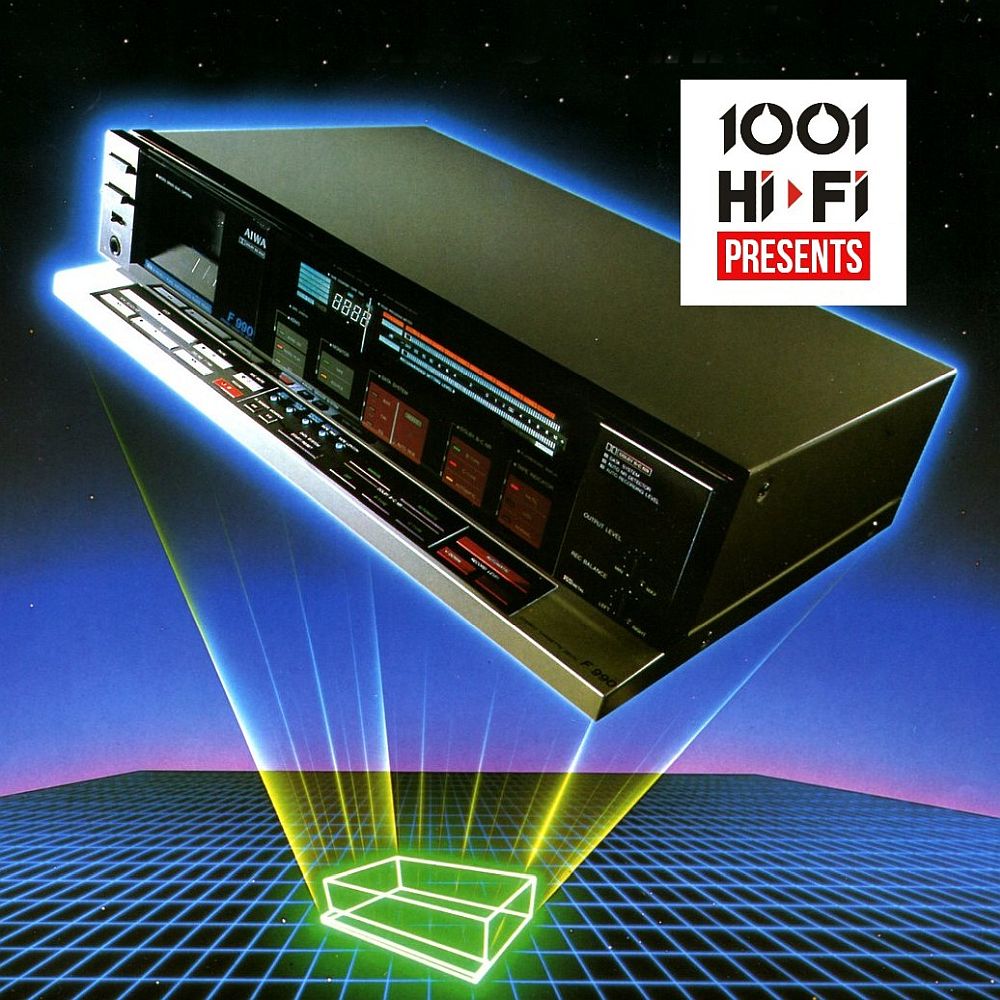
The fabulous ADF990 is AIWA's most advanced cassette deck (1983), with features that not only ensure simple, foolproof operation, but also unmatched fidelity. Unquestionably the most superlative 3-head deck in its class (1983), the AD-F990 offers advanced engineering for superior total performance. The AD-F990 features Amorphous combination head for superior performance and durability. It also features Dolby HX Professional, not a noise reduction, but an entirely new way of processing signals, this sophisticated circuitry functions during all recordings but requires no processing during playback. The DATA (Digital Automatic Tape Adaptation) system is a sophisticated micro computerized circuit that automatically "tests" each tape prior to recording and adjusts the deck's bias, equalization and sensitivity to optimum levels, in only 16 seconds. A series of automated features are present such as: Auto Noise Reduction Detector, Auto Recording Level Control, Auto Tape-Source Selector (all these are manually selectable as well) Other technological features include an Auto De-magnetizing system, Micro-grain dual capstan transport, all-mode tape remaining time display, fluorescent multi-function display and feather-touch electronic volume control with position indicator.
AIWA XK-S9000 (JAPAN 1991)
|
|
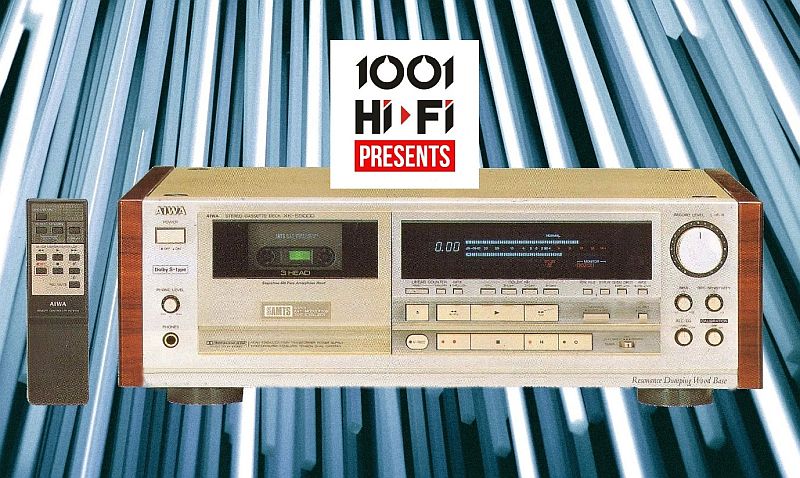
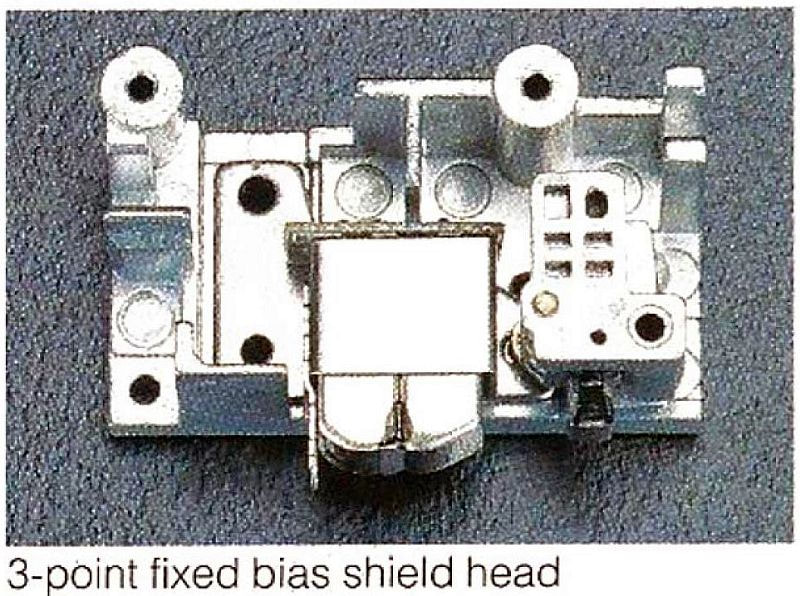
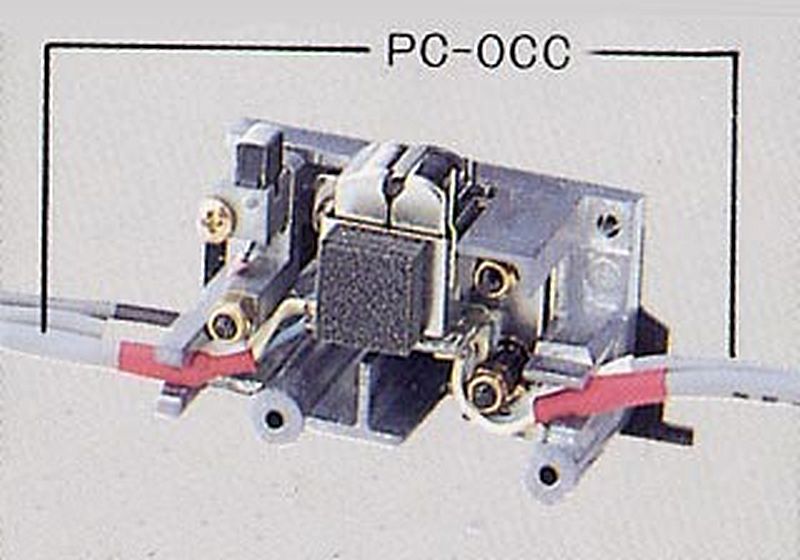
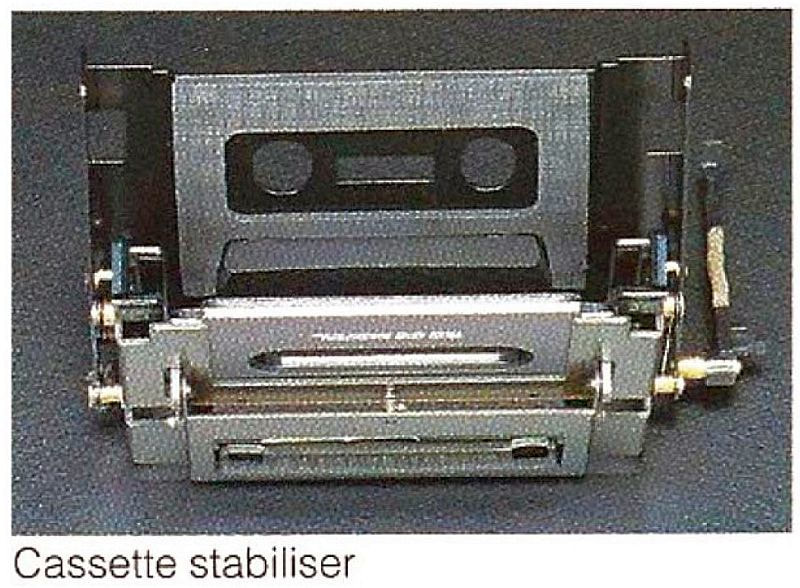
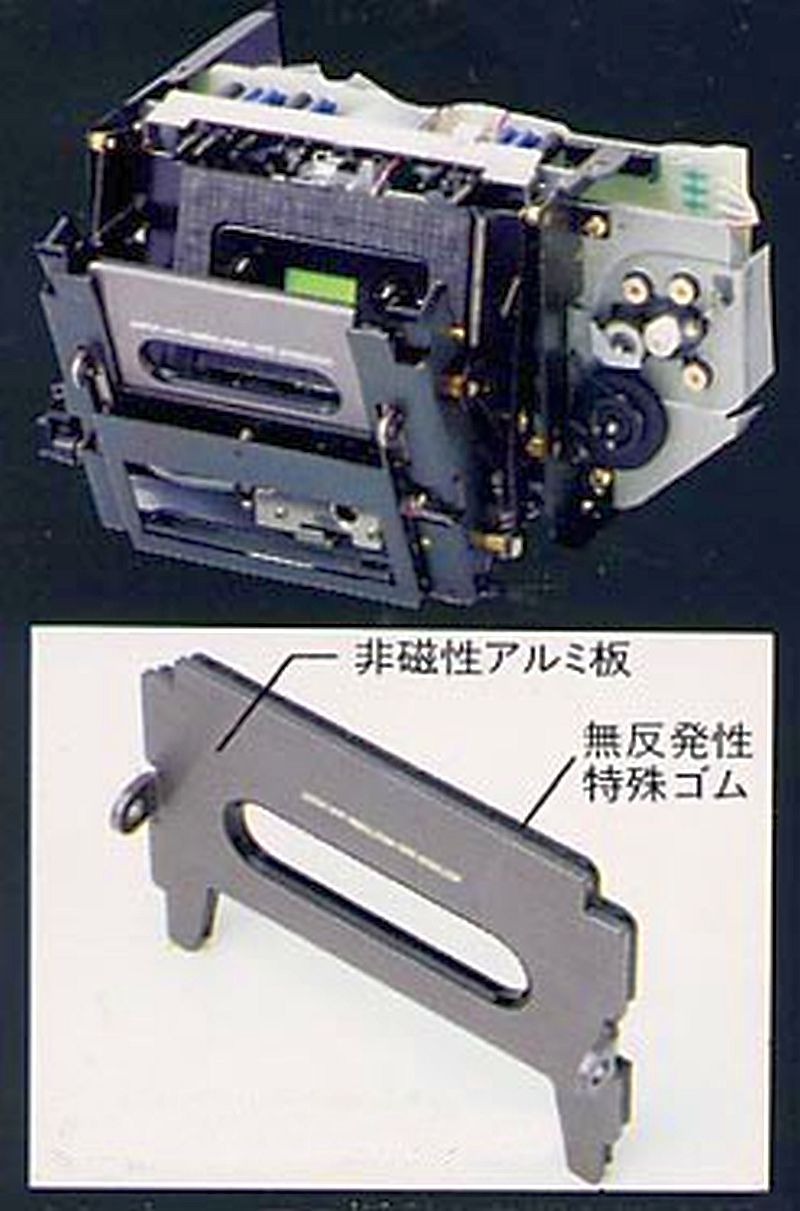
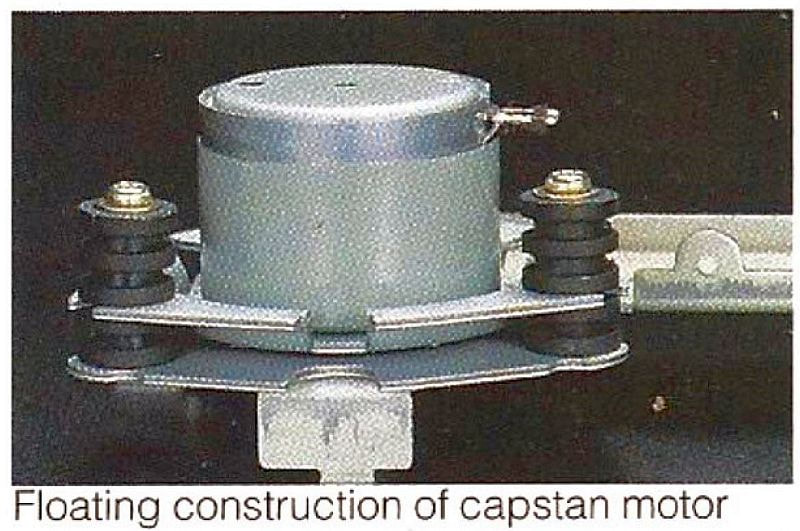
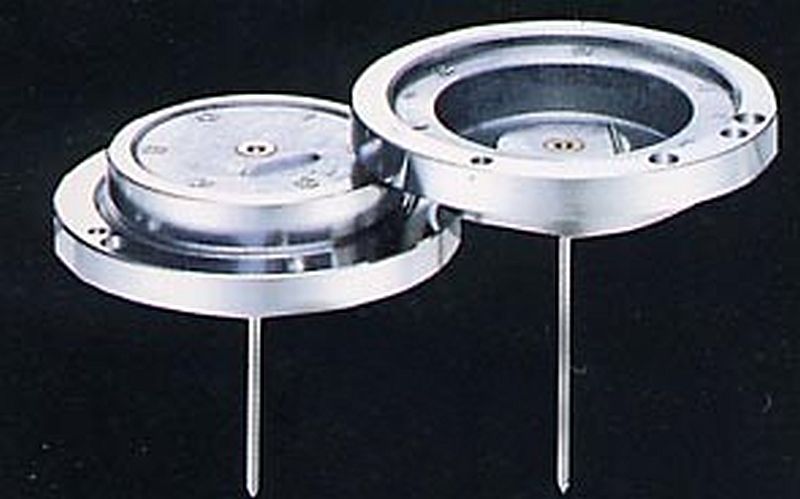
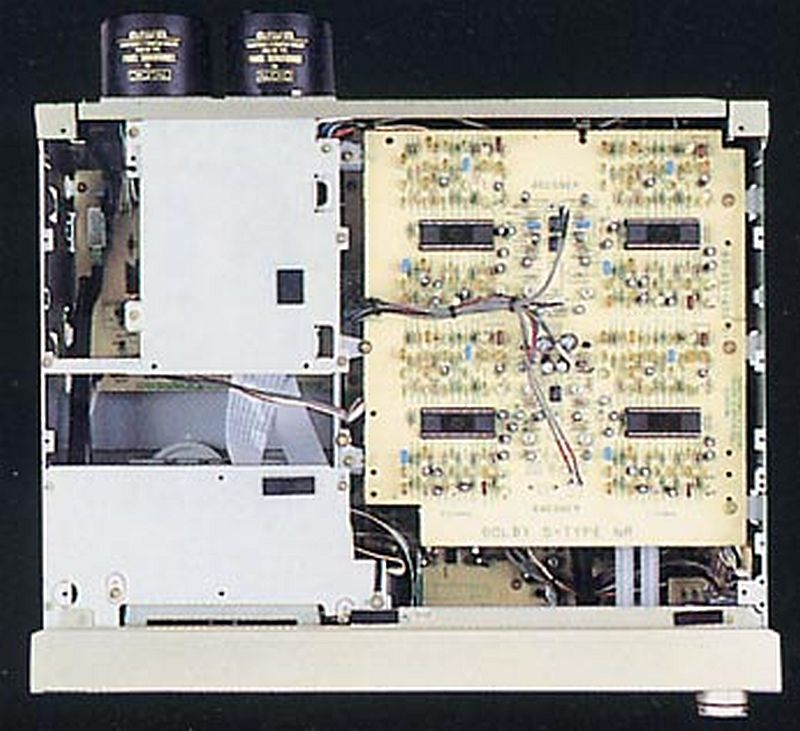
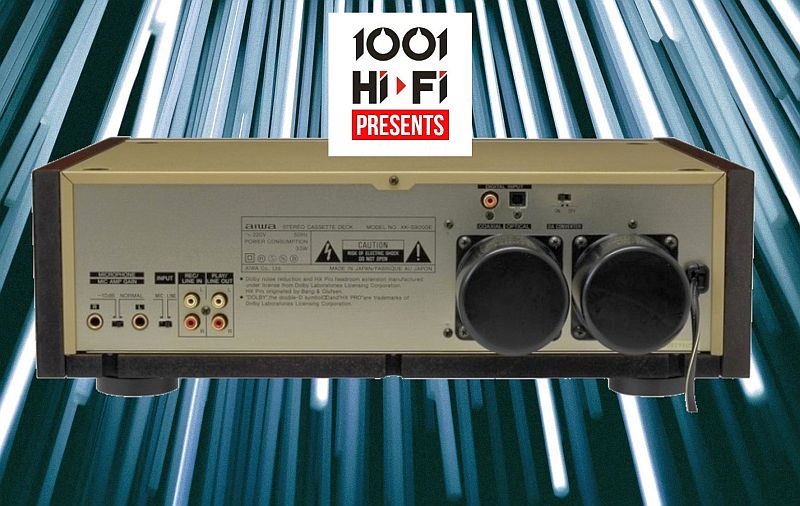
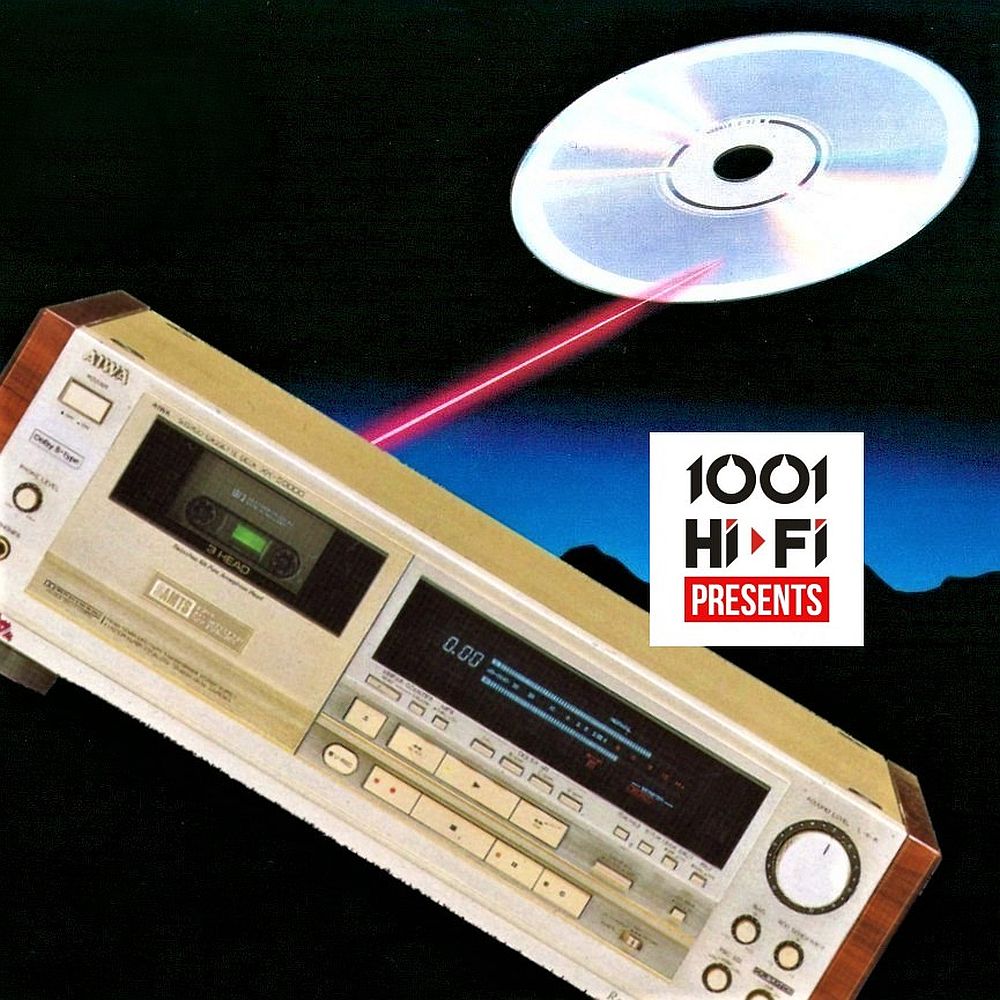
Introduced in 1991, the XK-S9000 has it all, from Dolby S Noise Reduction to a built-in D/A converter and remote control. The AIWA K-S9000 features a 4-motor dual capstan drive mechanism. When the cassette is loaded (this happens automatically when the cassette is dropped into the door) it is clamped against a resilient pad to damp shell vibration, a system called by AIWA Super AMTS (anti-modulation tape stabilizer). The deck features 3-head design, with amorphous heads for both recording and playback with "stress-free 6N copper coils" for both the recording and playback heads. The heads are mounted in an ultra-stiff head base casting that is mounted on three points to increase stability and a head stabilizer is used to reduce vibration of the head assembly itself. The display has dual, 24-segment, peak level indicators while for calibration the deck has built-in 400-Hz and 10-kHz test tones for bias and level and an additional 3-point setting for Rec-EQ. Another unique feature is the BTOR system, Blank Tape Optimized Recording. There are two record buttons on the front, one marked "REC" and the other "B-REC". With B-REC the erase head is deactivated when using a virgin tape. Aiwa claims that the result is a well-dampened sound, sound expansion, less distortion and clear sound reproduction. The AIWA XK-S9000 has twin (external) power supply and built-in 18-bit linear dual D/A converters and 8xoversampling digital filter that allows direct optical or coaxial connection of a CD player. Needless to say, the XK-S9000 has Dolby B- and C-type noise reduction but it also sports Dolby S NR and defeatable HX Pro system. Frequency response is 13Hz - 21/22/23kHz (normal/chrome/metal) -20VU +/-3dB | Dimensions: 469(with side panels) *151*415 mm | Weight 14kg.
AKAI GX-F91 (JAPAN 1983)
|
|
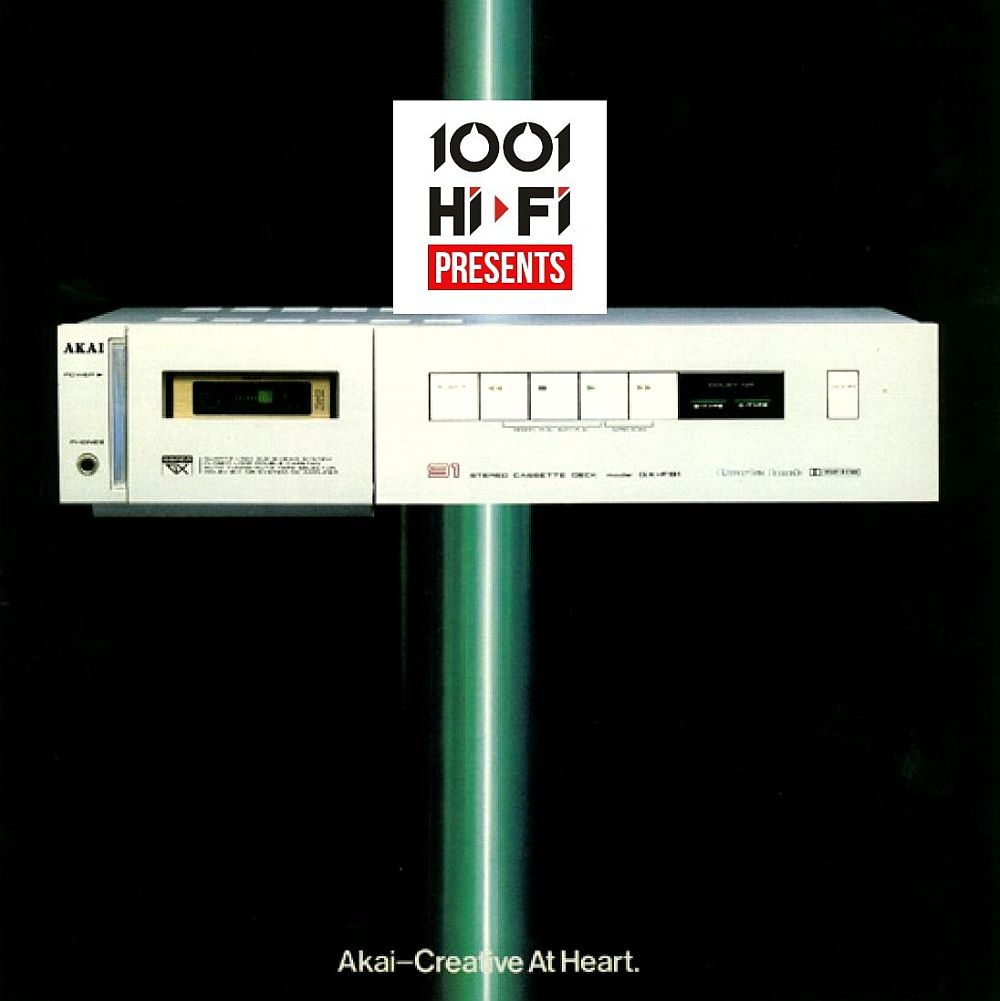
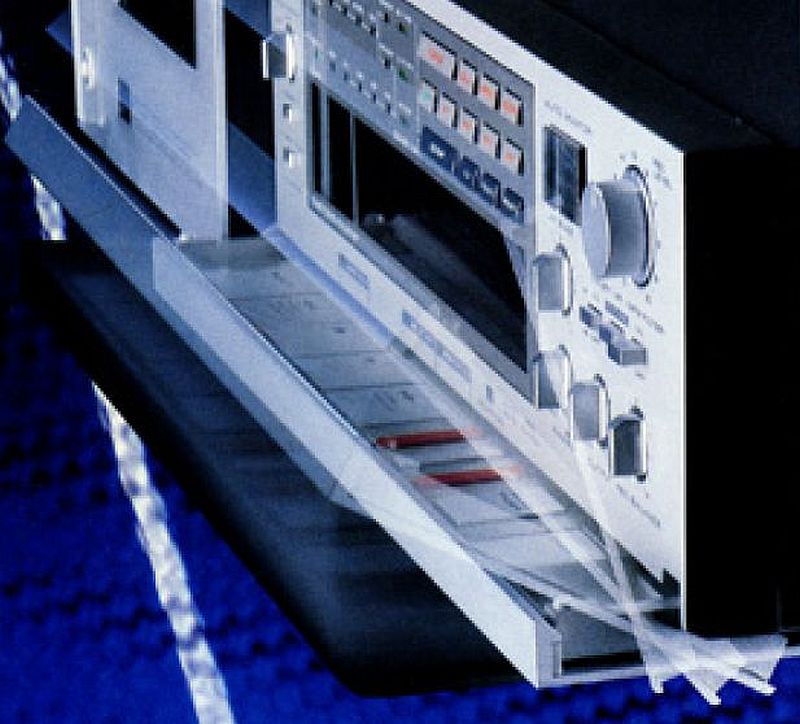
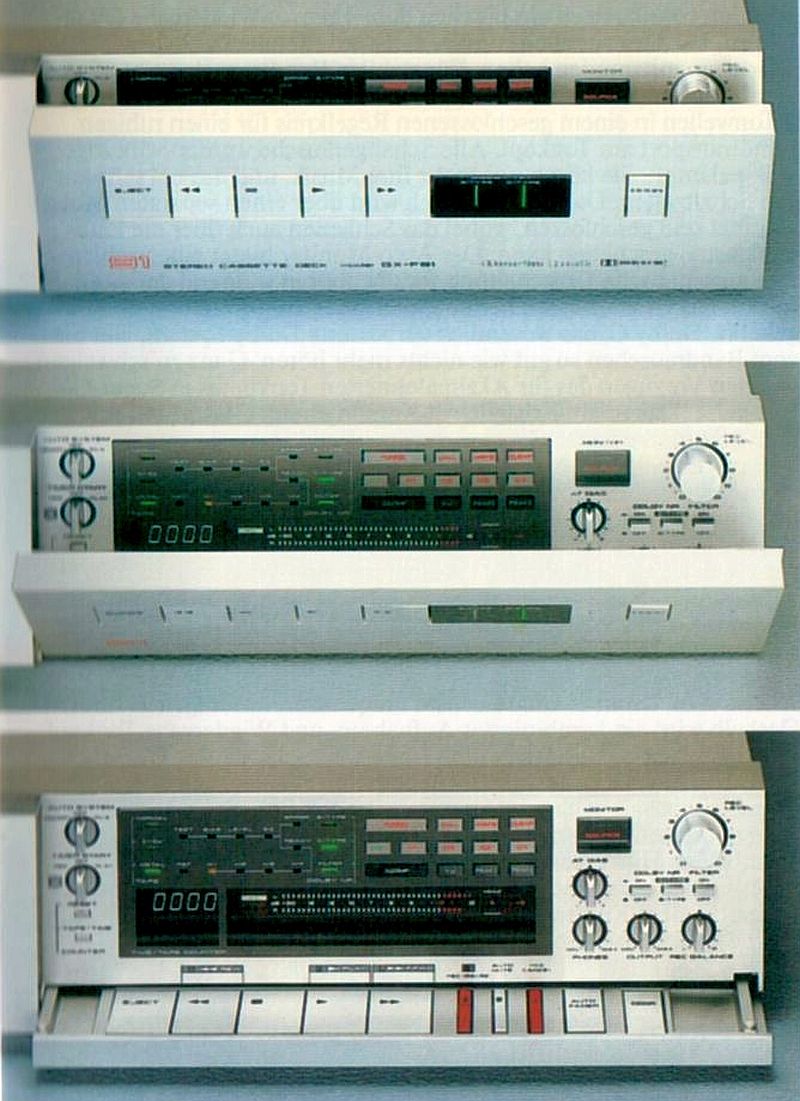
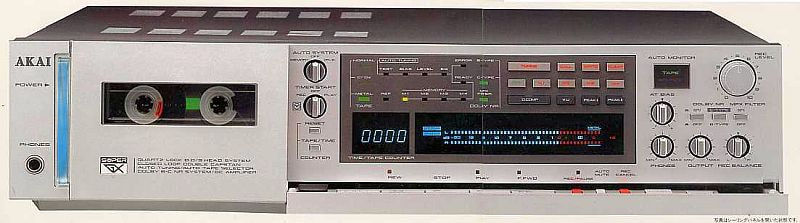
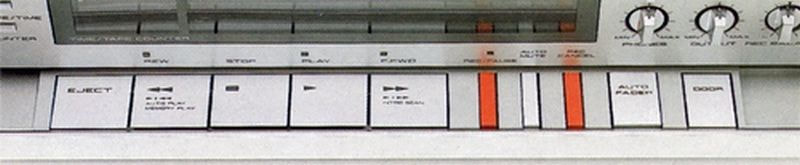
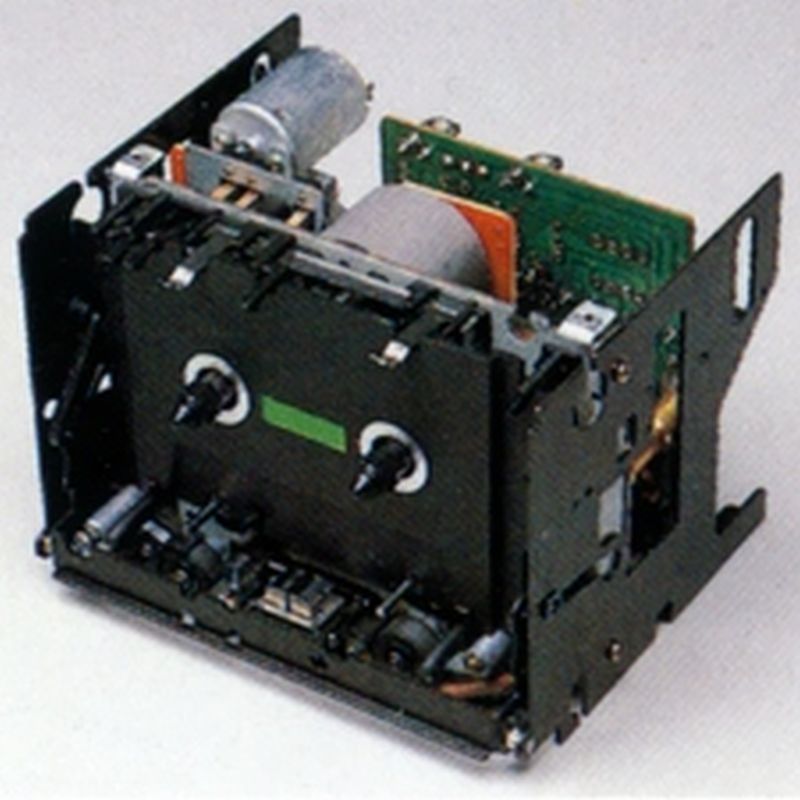
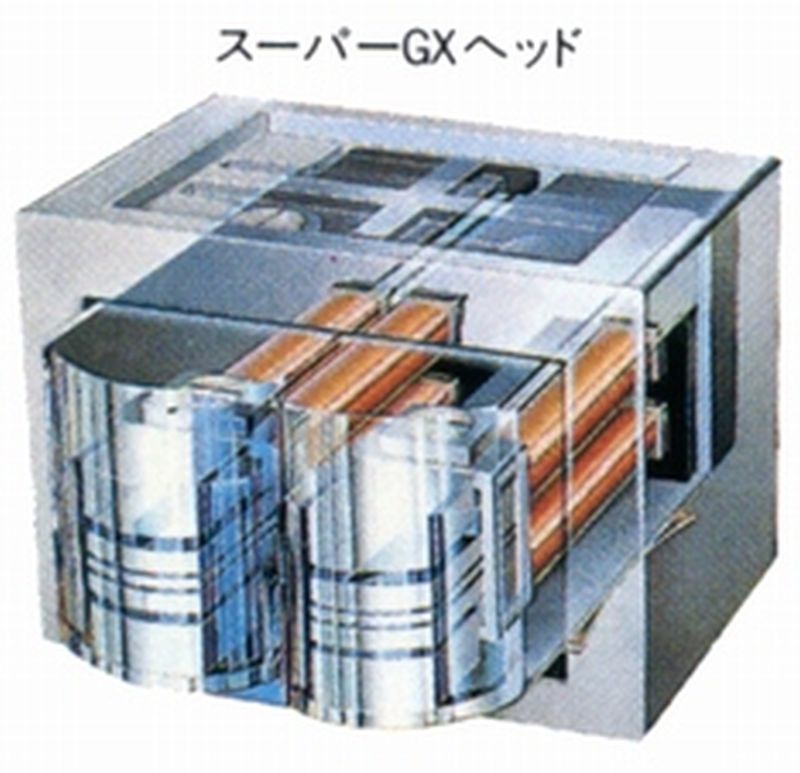
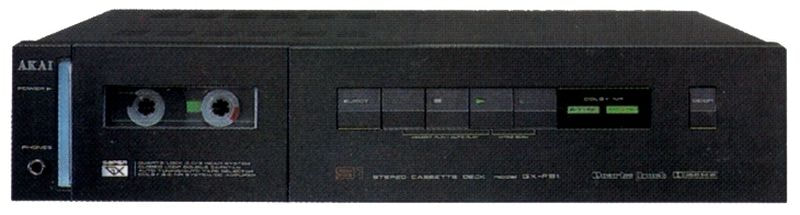
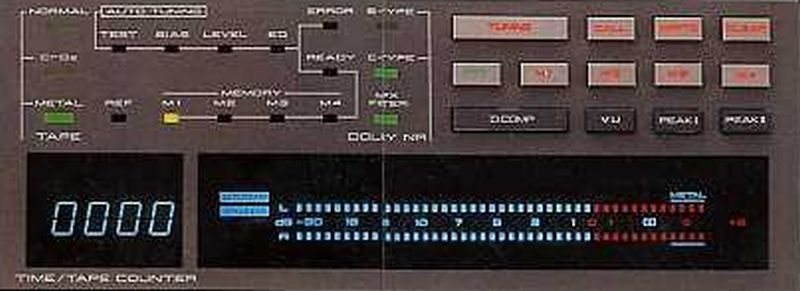
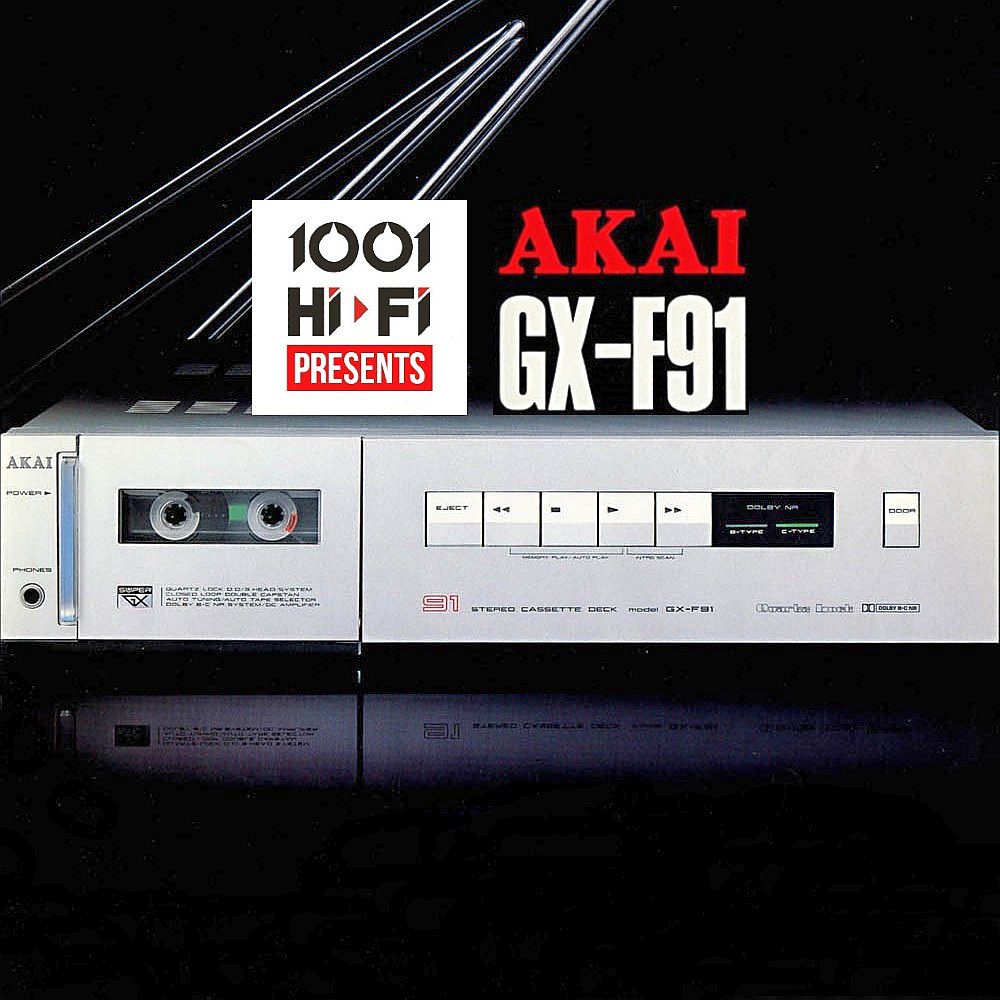
No knobs. No keys. And no clutter. AKAI GX-F91, a polite presentation of just the basics. But press the "door" button and, almost by magic, the faceplate automatically lowers (motor powered) to reveal the main control panel. Now, insert a cassette. Two microcomputers take charge, first automatically setting the bias. Then, executing a 64-step "tape-tuning" analysis that makes sure the GX-F91 gets the maximum from any tape. For superior frequency response and dynamic range, the GX-F91 is also endowed with a 3-head design, AKAI Super GX Heads and Dolby B & C systems. Plus, operational features like auto-fade, auto-mute and auto-record-cancel that virtually guarantee professional quality recordings. AKAI's original Auto Monitor system is a "Can't Miss" feature that automatically goes into source monitoring during REC standby and into off-the-tape monitoring during REC, to eliminate monitor switch errors. Tape drive has been given added precision with Quartz-lock PLL servo DD motor, adding stability and accuracy so essential to tape travel. The Q&Q (Quick & Quiet) mechanism incorporated into the GX-F91/71/51/31 models provide direct lead-in and power eject for easier operation + .... Many More Akai Features.
GRUNDIG CF 5500 (GERMANY 1980)
|
|
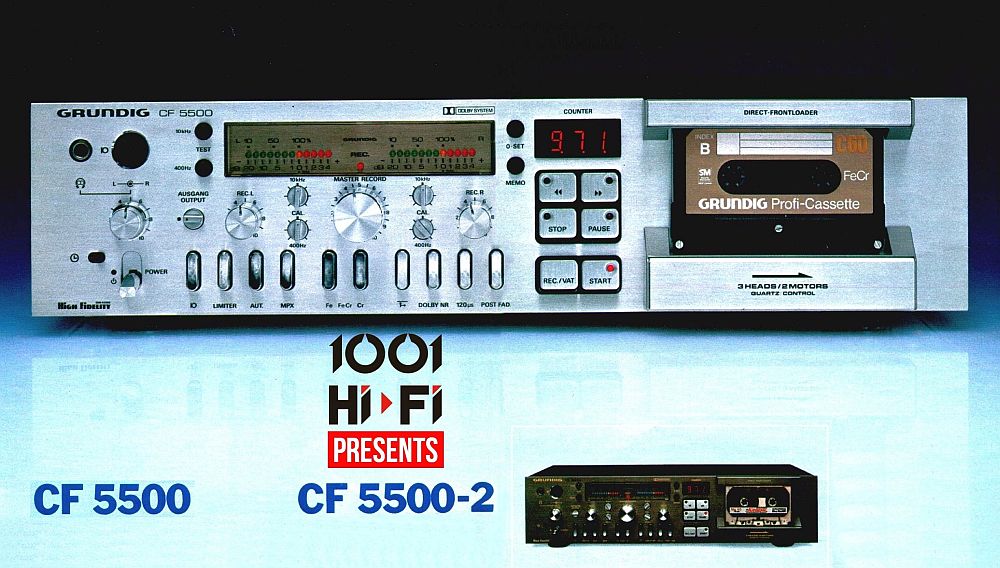
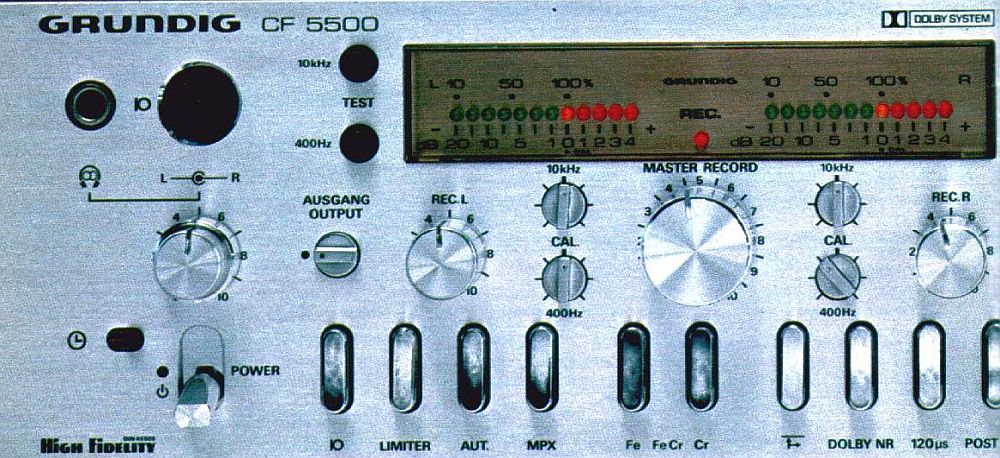
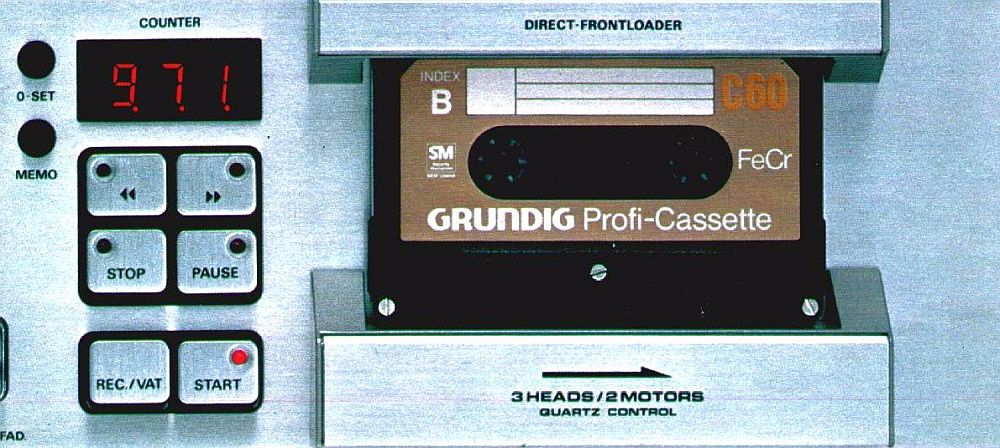
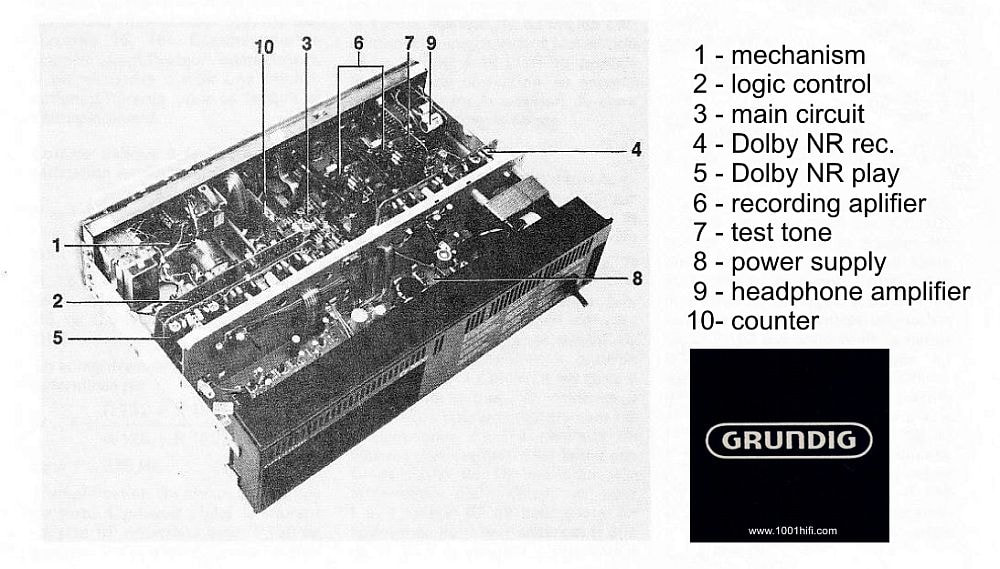
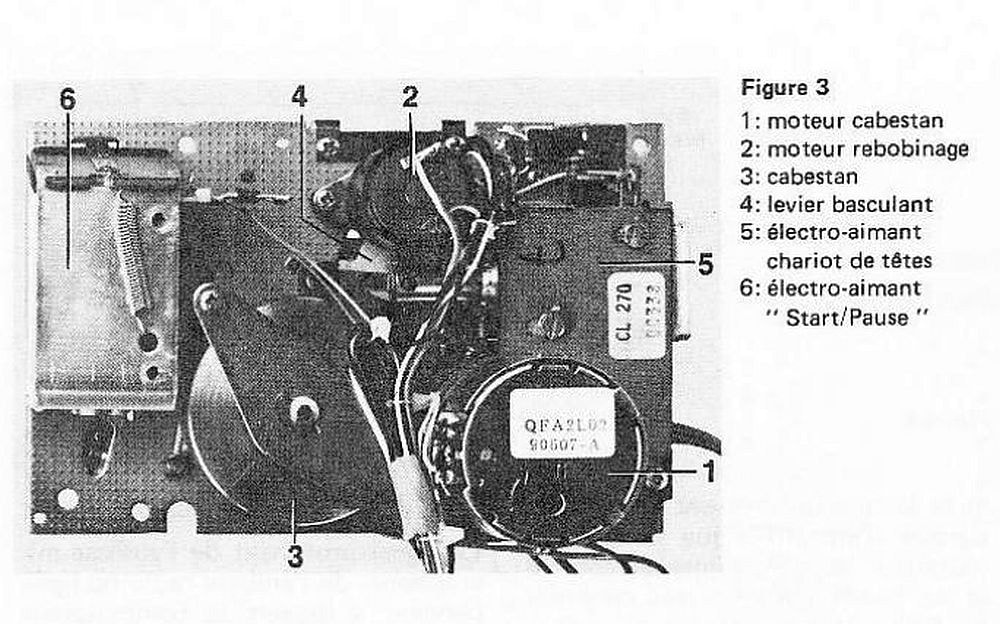
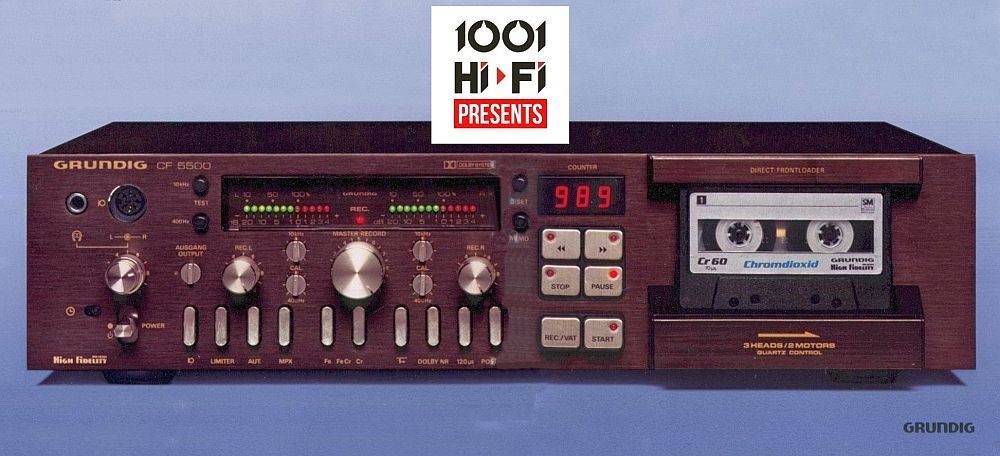

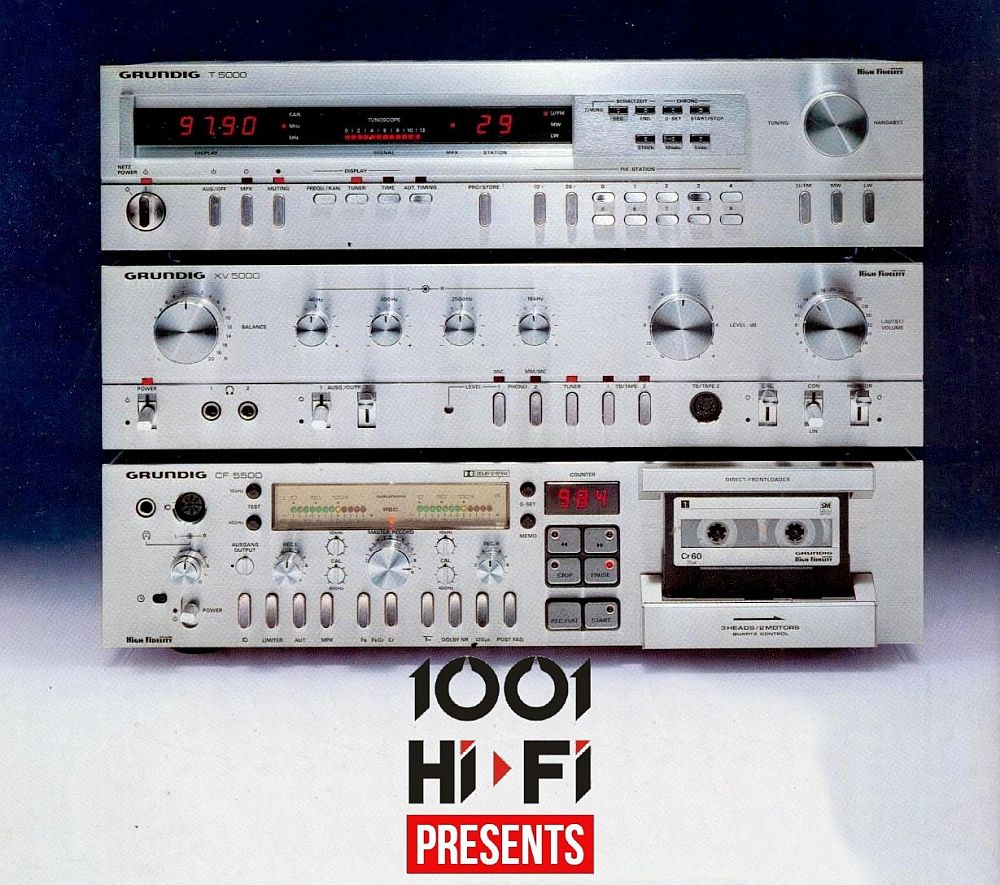
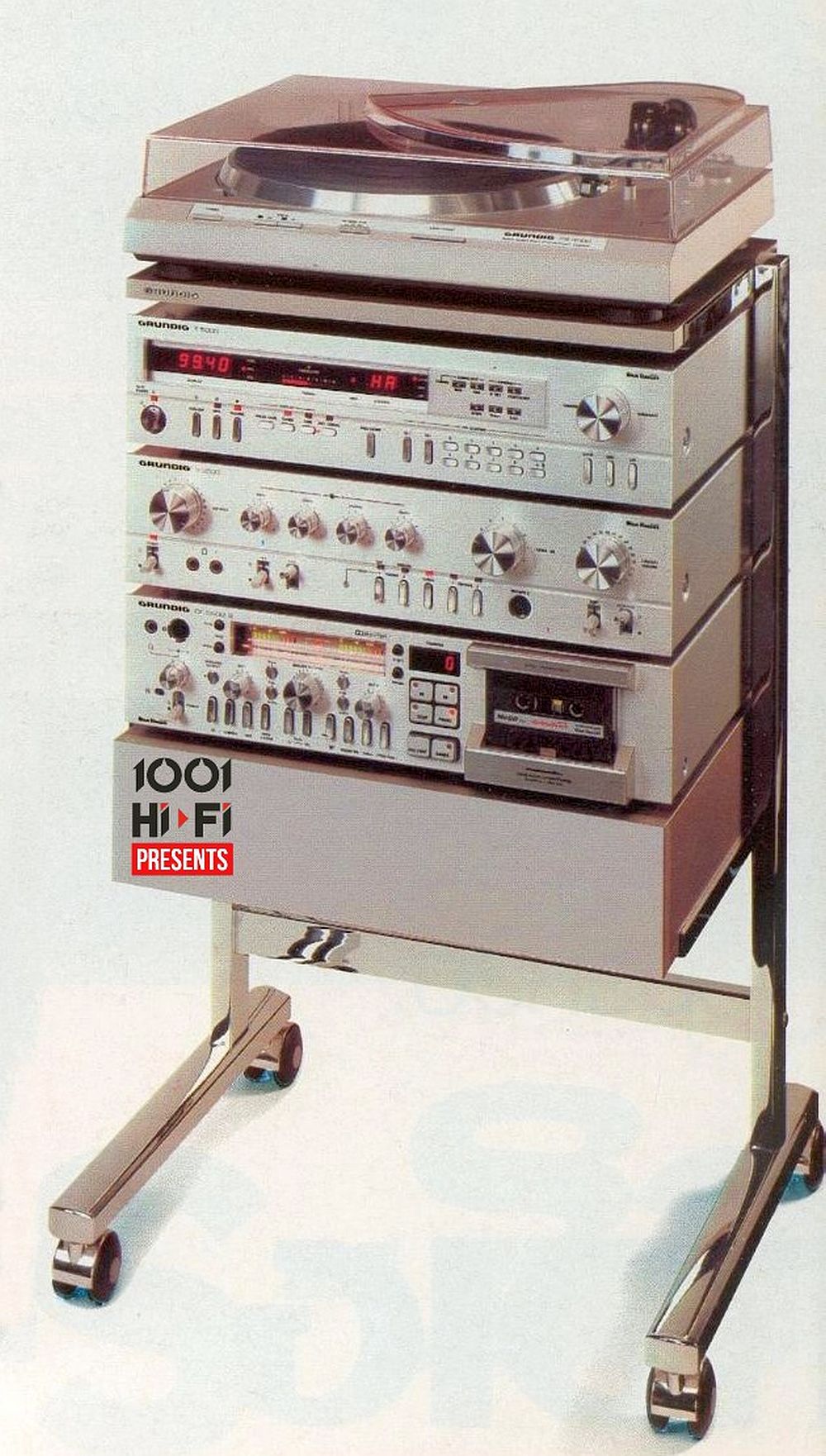
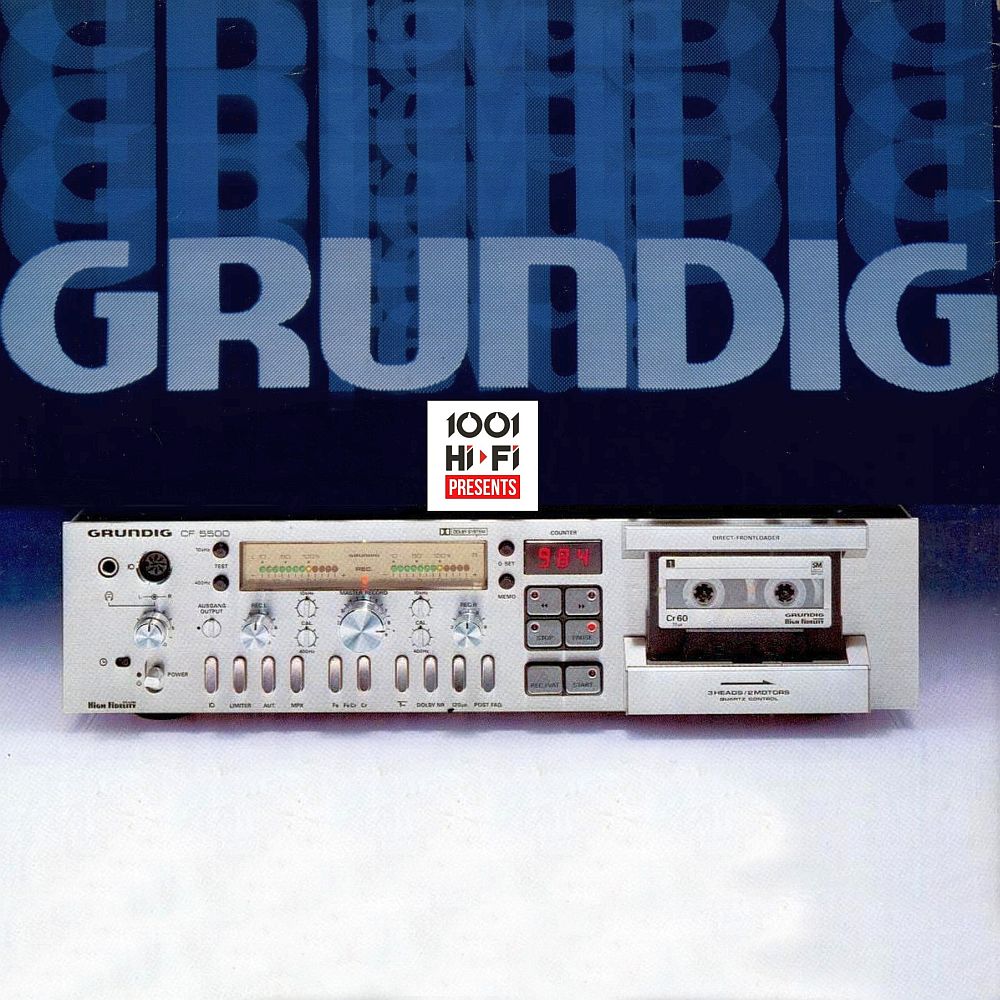
This was the first 3 head cassette deck from Germany's largest consumer electronics manufacturer, GRUNDIG, and the second cassette deck "Made in Germany" with 3-head design, after the Thorens PC 650. It's a complex machine built around a 2-motor mechanism with one Quartz controlled capstan and 3 Ferrite heads. For best results with any tape the GRUNDIG CF 5500 is equipped with two test tones (10kHZ, 40Hz) with separate adjustments for left and right channel. Dolby circuits are also double (recording and playback). The CF 5500 can handle Normal, FeCr and CrO2 tapes. There is separate output level control and a dedicated headphone amplifier with left and right channel level adjustments. The cassette compartment is open type with full logic-controlled mechanism, digital tape counter and LED recording level meters. The new Metal tape formulation was still relatively new on the market so there was a parallel model, called CF 5500-2, that could handle Fe-Cr, CrO2 and Metal tapes. They were both available with silver or brown front panel. The only distinctive visual difference between the CF 5500 and CF 5500-2 was the square LED row on the CF 5500-2 opposed to the round LED's used by the CF 5500. And that's not all. Connecting to the back of the unit the additional TTP 445 remote eye, the deck could be controlled with the matching hand-held infra-red remote controller.
HITACHI (LO-D) D-5500 (JAPAN 1979)
|
|
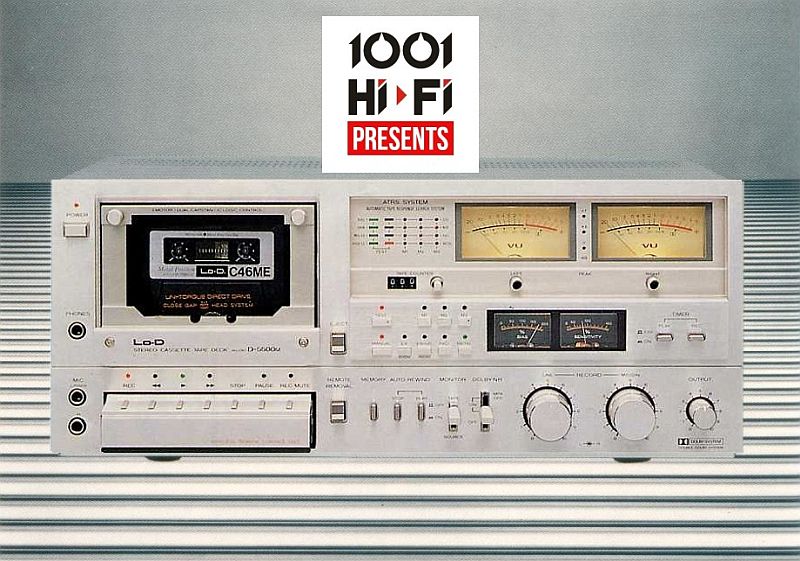
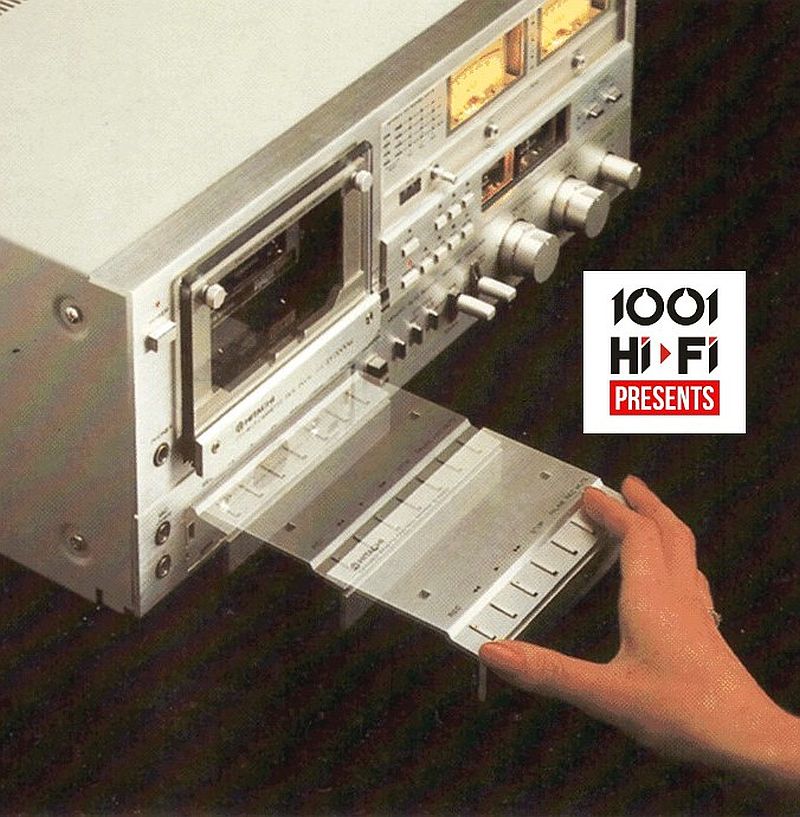
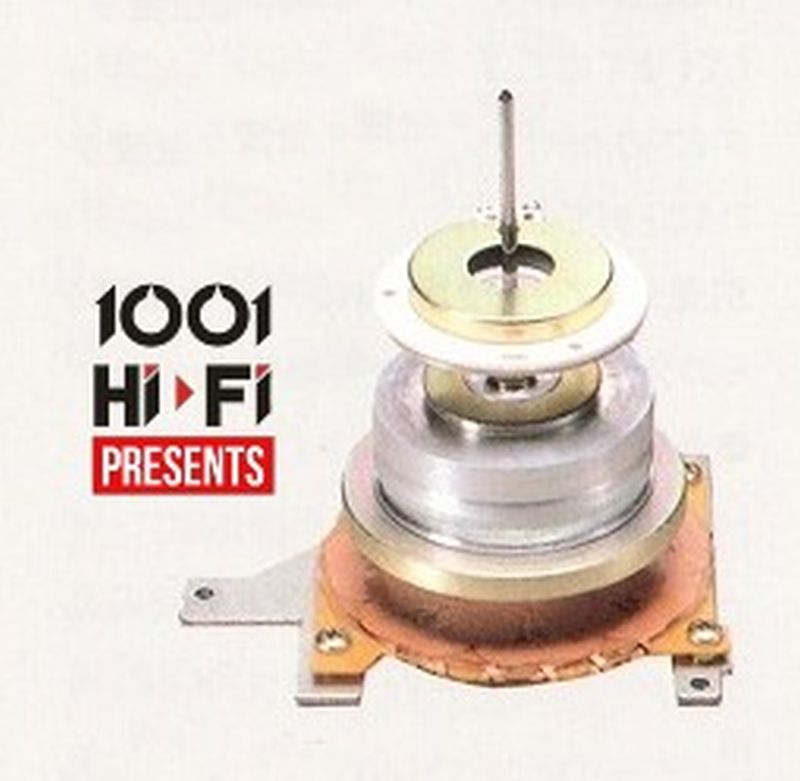
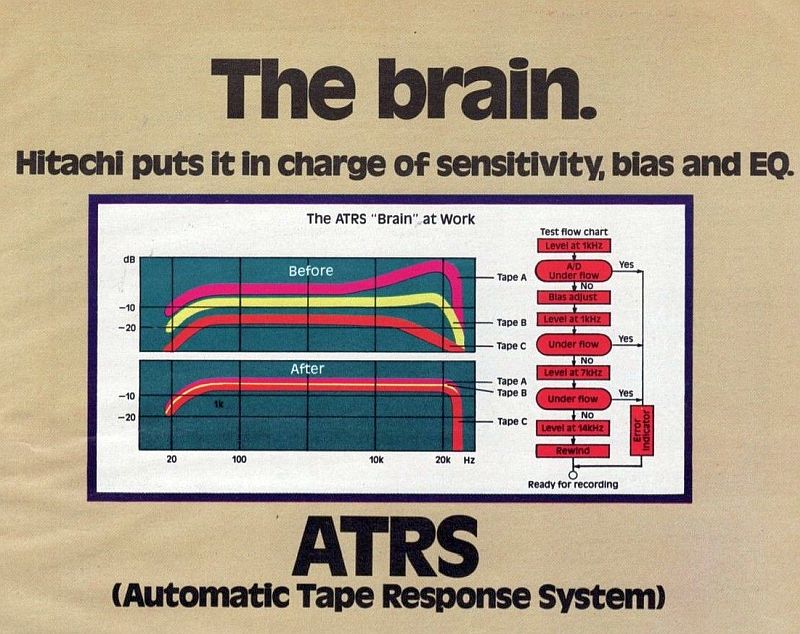
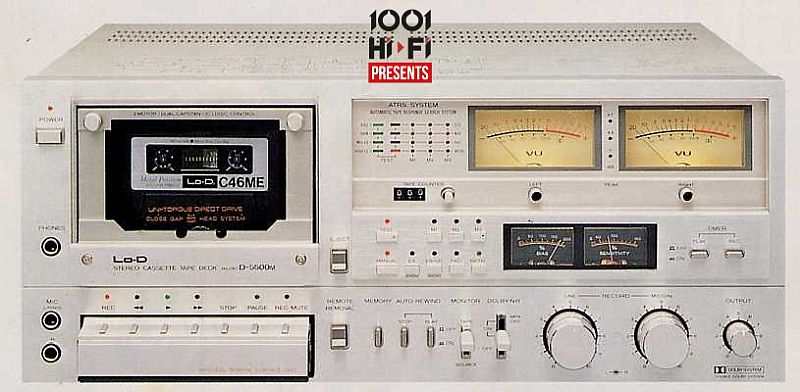
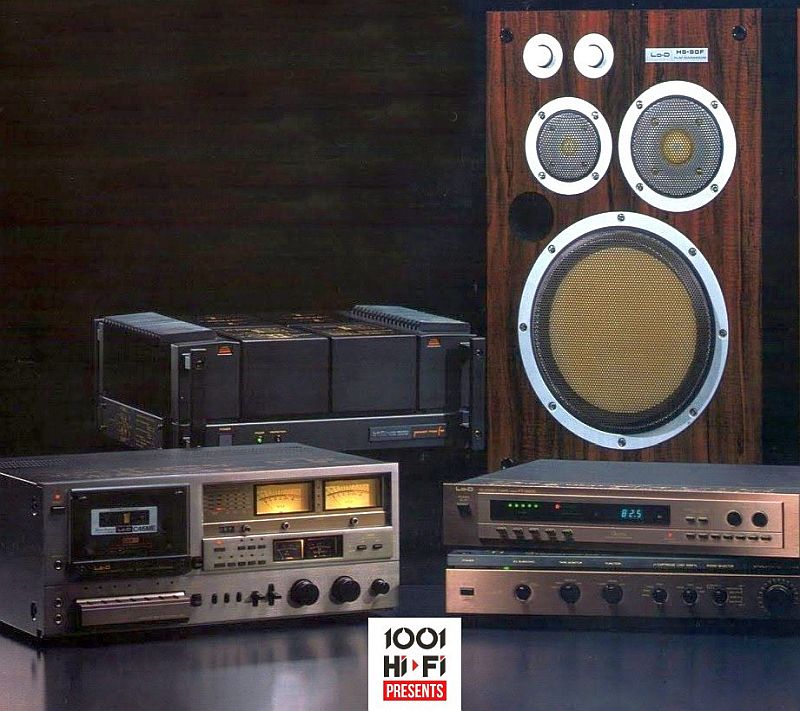
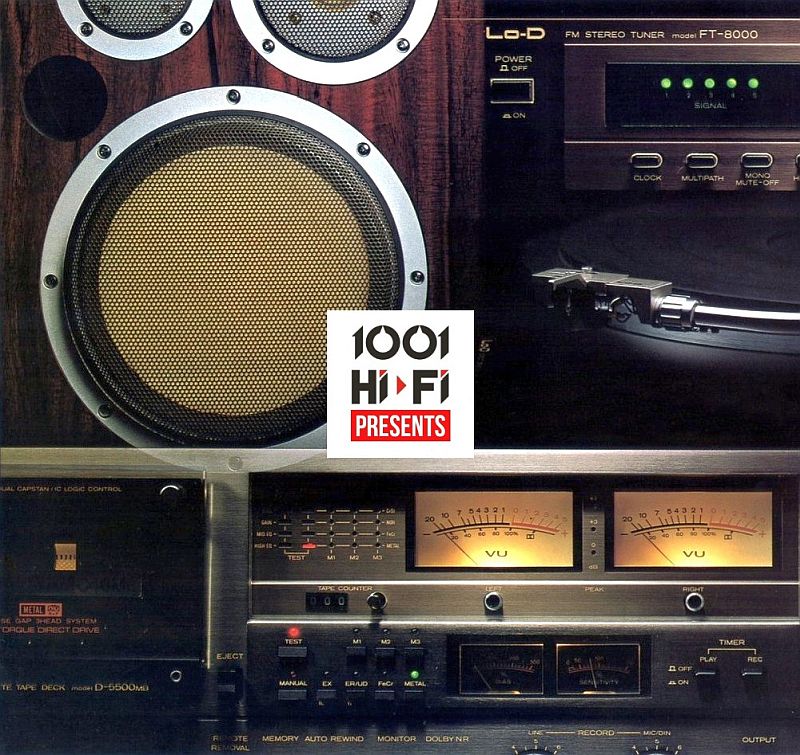
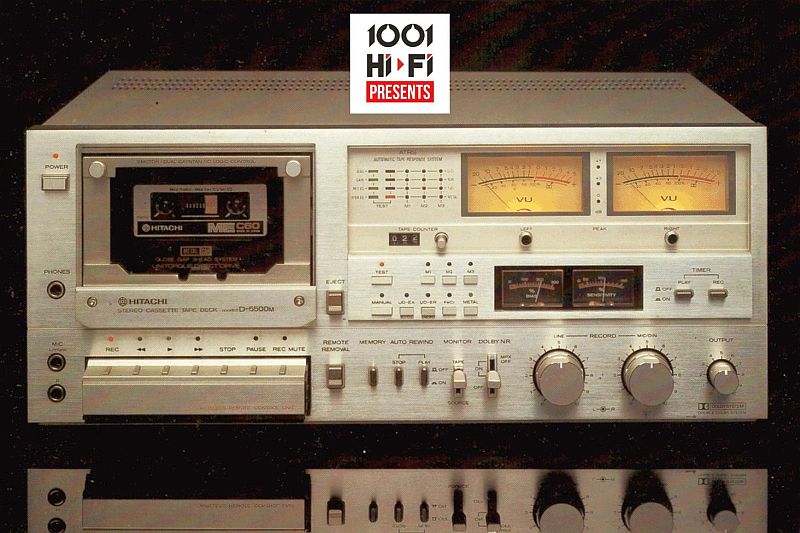
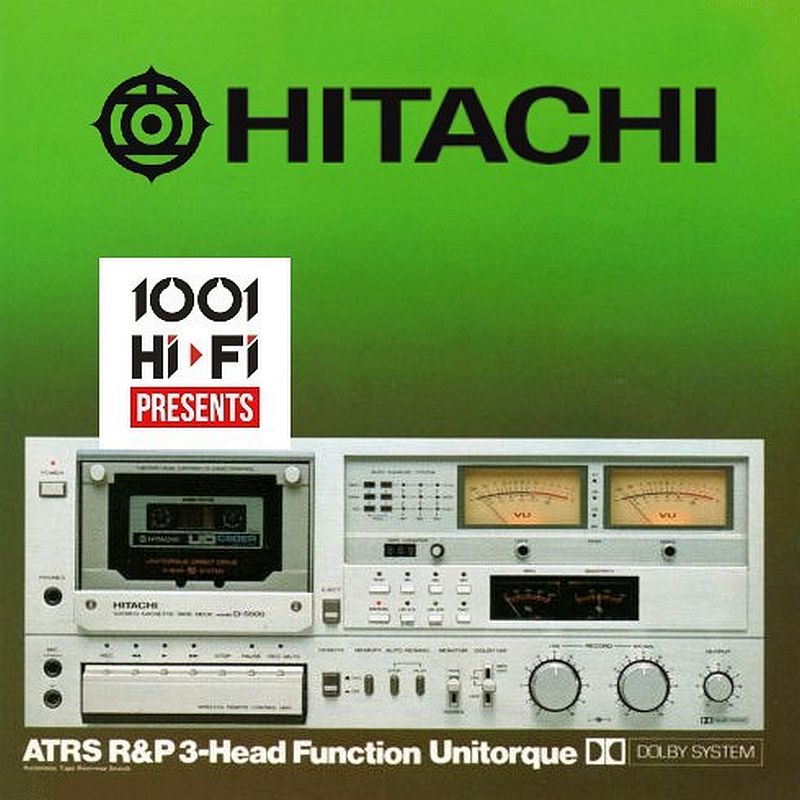
The HITACHI D-5500 was introduced in 1979 and it was one of those Super decks that was competing for supremacy. It was a sophisticated 2 motor deck featuring Hitachi's own Unitorque Direct Drive motor (0.028% WRMS wow and flutter) and their own "Close Gap" R&P heads in a 3 head configuration. The highlight of this deck was the ATRS (Automatic Tape Response System). The ATRS brain is a sophisticated microcomputer that's built into the Hitachi D-5500 Cassette Deck. Because there were hundreds of different tapes on the market, ATRS was designed to match bias and EQ settings to the precise characteristics of each one you use. Press the Test button while in record and in 20 seconds ATRS carries out six calibration functions. It also has three individual memories for the test results of the three tapes you use most frequently. For the ultimate in user comfort interface the Hitachi D-5500 features a full IC logic detachable control block that doubles as a wireless infrared remote unit. Soon after the release of the D-5500 it was introduced the D-5500M that added Metal tape compatibility. Both models were available in silver and black, the worldwide model was sold as HITACHI while the Japan domestic model was sold as Lo-D.
JVC DD-99 (JAPAN 1982)
|
|
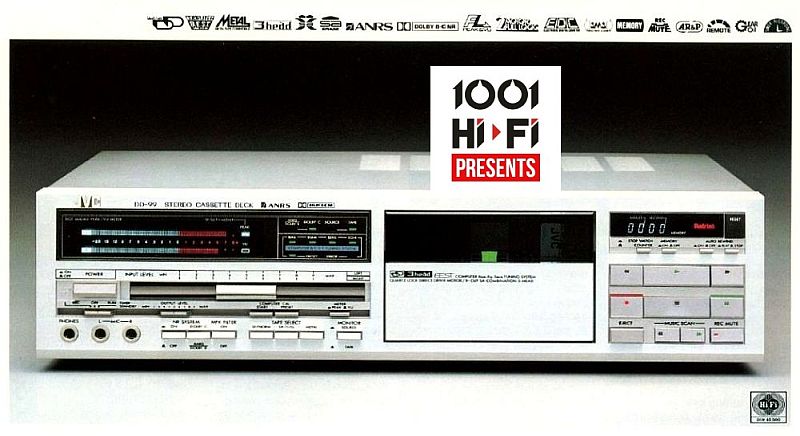
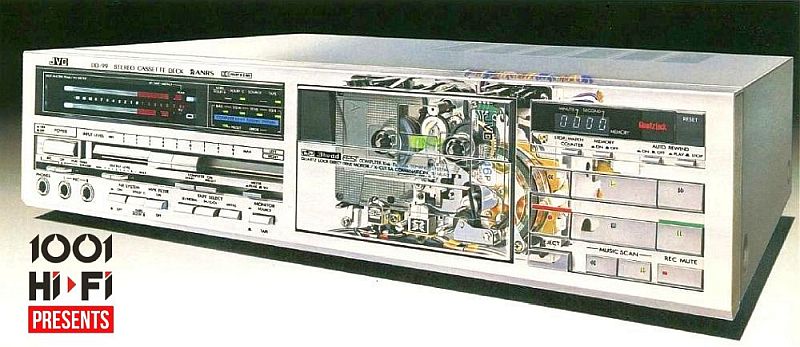
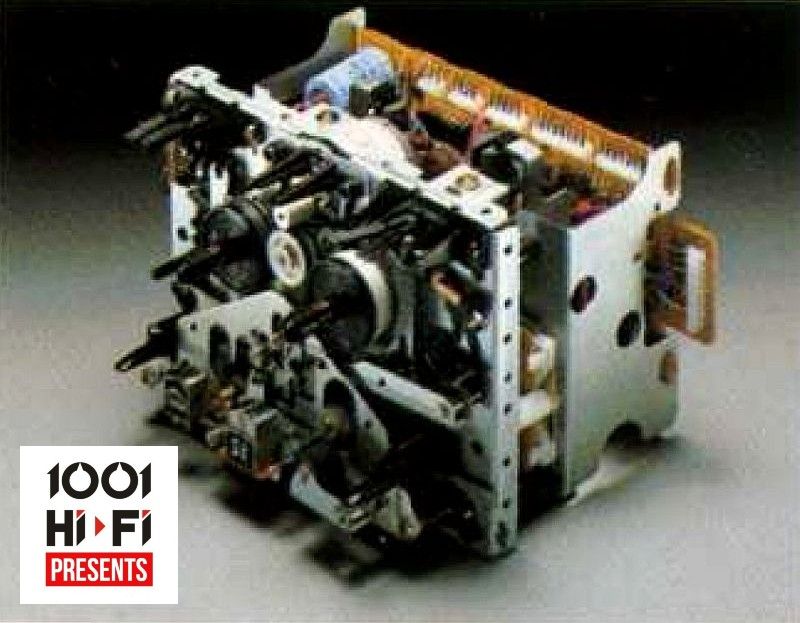
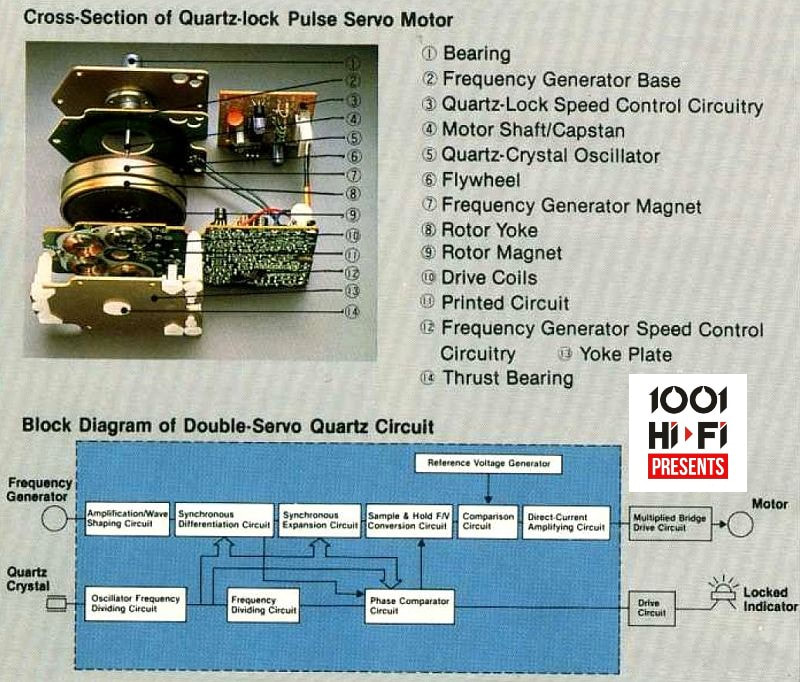
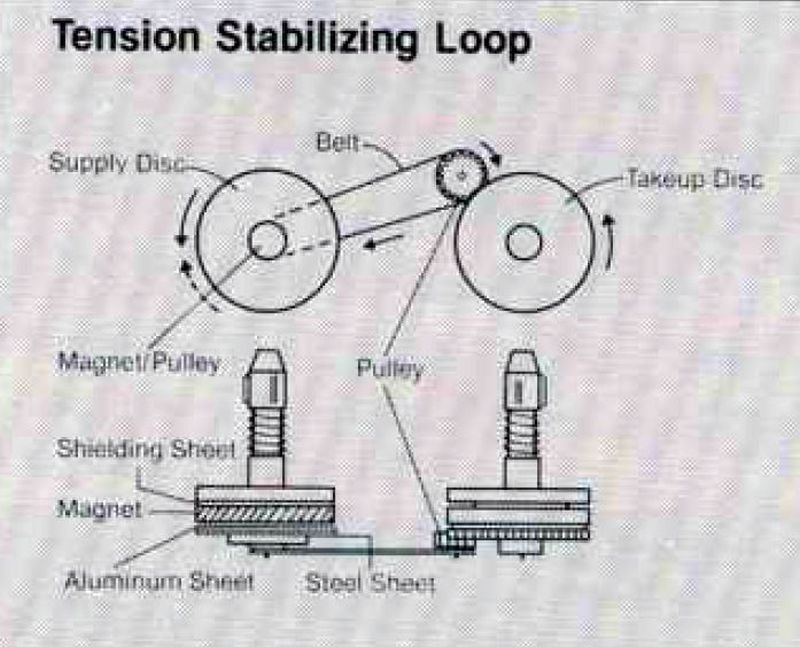
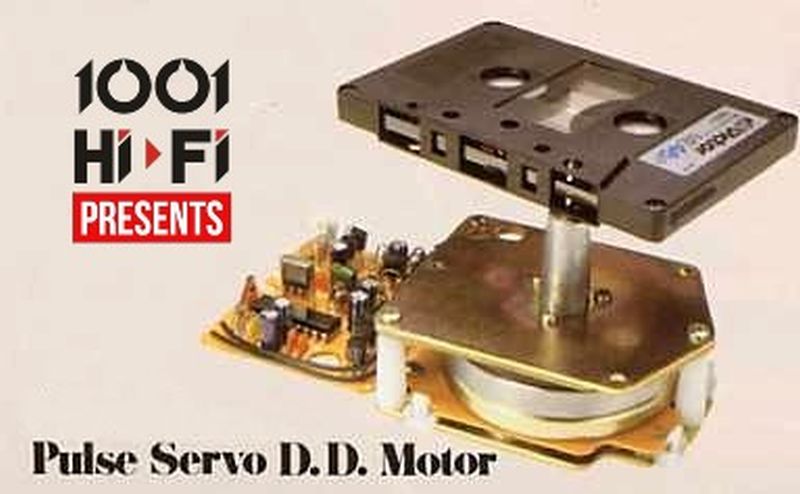
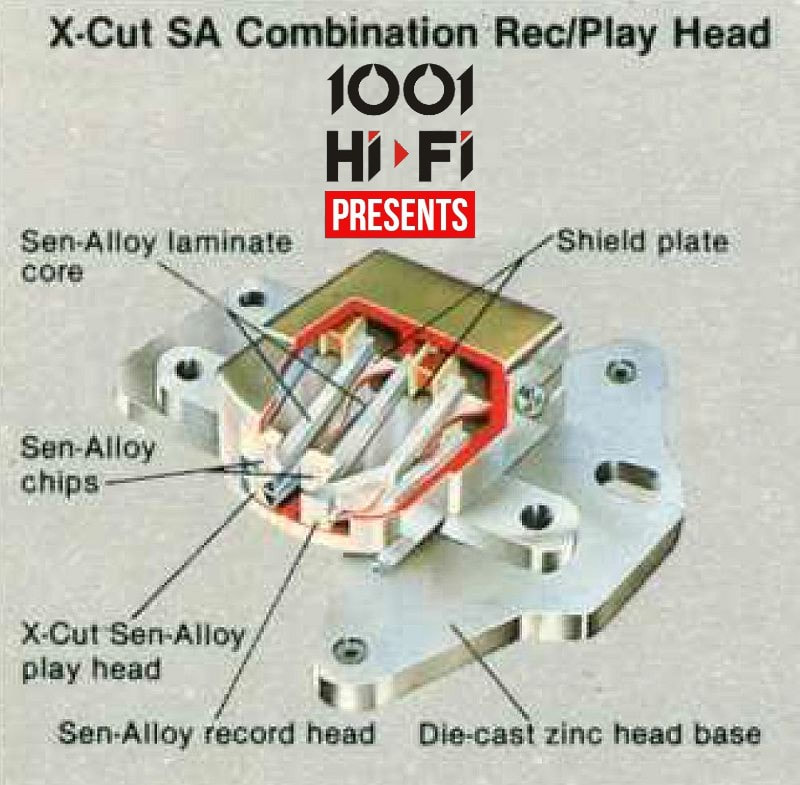
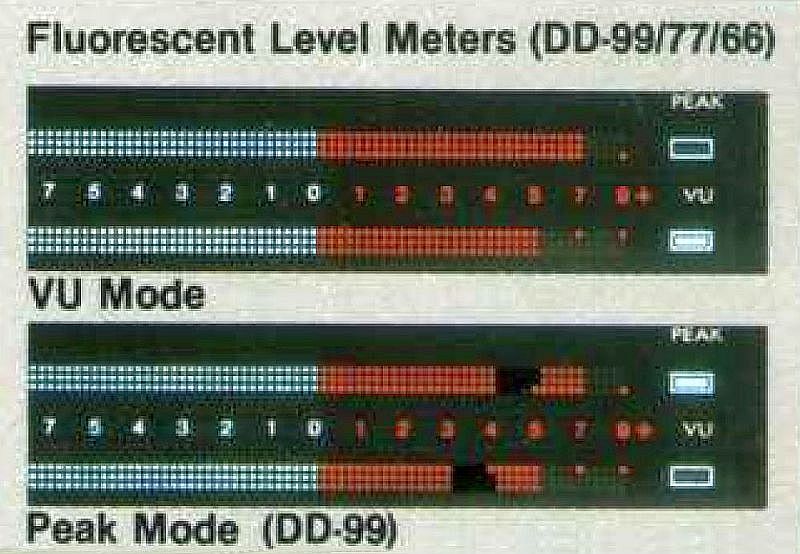
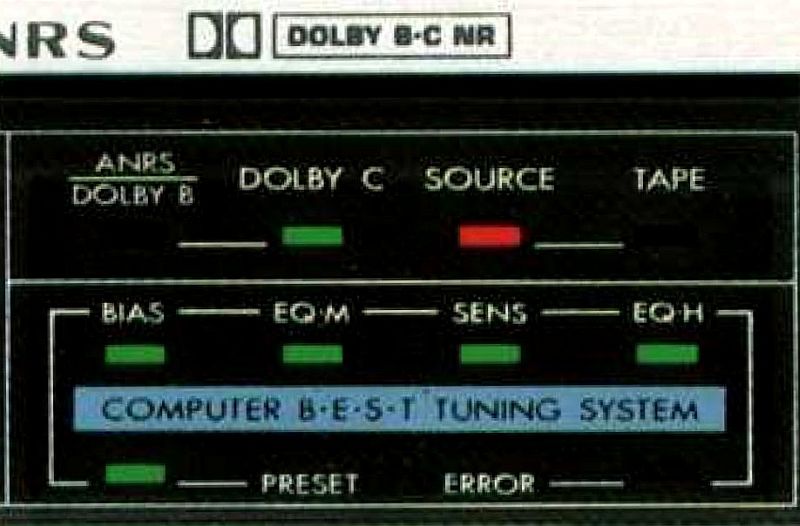
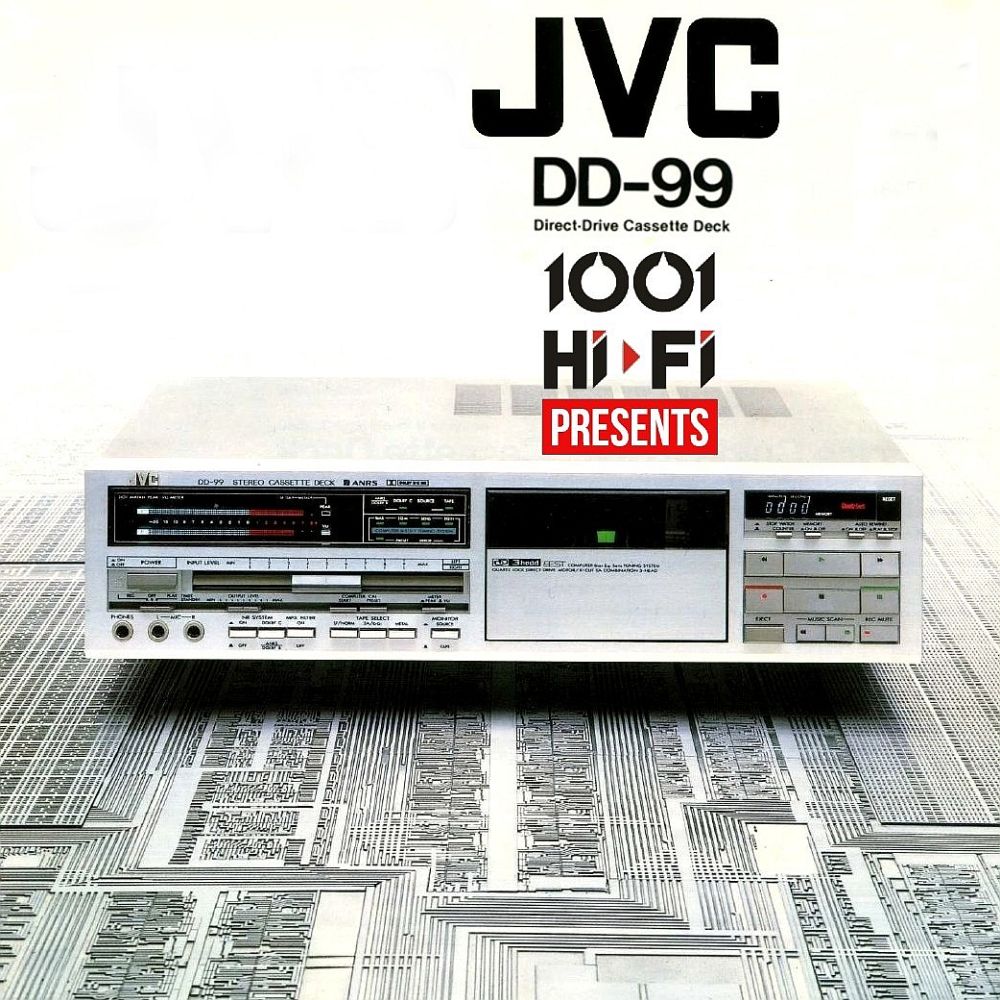
When introduced in 1982 the JVC (Victor in Japan) DD-99 promised open reel sound quality with cassette convenience. To achieve this the DD-99 combines such high-technology JVC innovations as a Quartz-Lock, direct-drive Pulse Servo Motor with two new twists: a Double Servo and Multiplied Bridge Drive. Add them to a three-head design using an X-cut SA combination Rec/Play head and the B.E.S.T. tuning system, and you get peerless performance. The Quartz-Lock, direct-drive Pulse Servo Motor improves speed accuracy. Using a low-rpm direct-drive motor, the highly accurate tape transport of the DD-99 is simplicity itself. The coreless design completely eliminates jerky motion called "cogging" while speed accuracy is provided by means of a quartz-referred Double-Servo circuit, together with new "Multiplied Bridge Drive". The B.E.S.T. tuning system automatically compensates for any differences in Bias, Equalization and Sensitivity for flat response (from 40 to 12,500Hz +/-1dB) from any tape. It's done by means of a built-in computer and takes only about 30 seconds. Three heads - JVC's exclusive X-cut SA combination Rec/Play head (two heads in one housing), and two-gap SA Erase head - provide two very important benefits. One, it allows you to monitor your recordings as they're being made, and two, it means every head is provided with an optimum gap width - no compromises. The clearly discernible X-shaped core of the playback head eliminates the so-called contour effect, assuring smoother overall response. The two-motor full-logic control tape transport features a tension stabilizing loop. The supply reel is connected to the take-up reel by means of a belt which supplies the proper hold-back tension throughout play or recording. It's an electrical system, no mechanical friction is employed to create tension. Therefore, tension is always uniform, and stability will not deteriorate with the passage of time.
KENWOOD KX-1100G (JAPAN 1985)
|
|
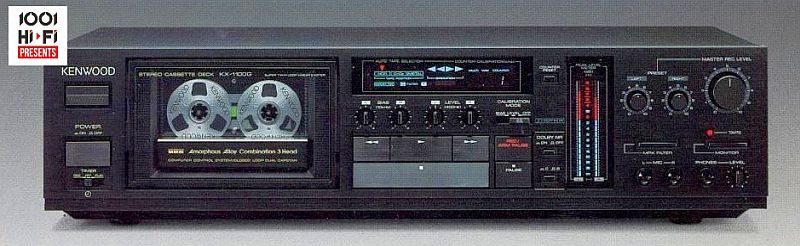
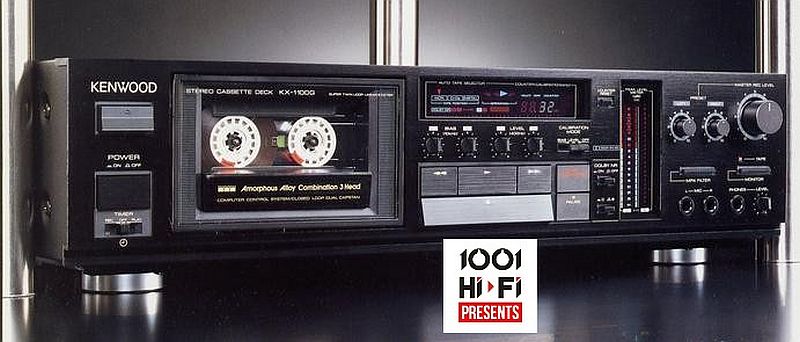
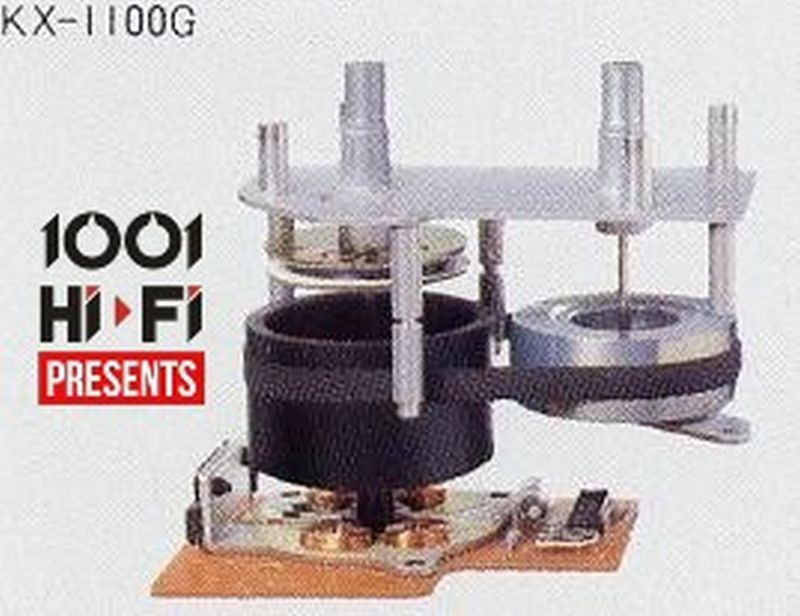
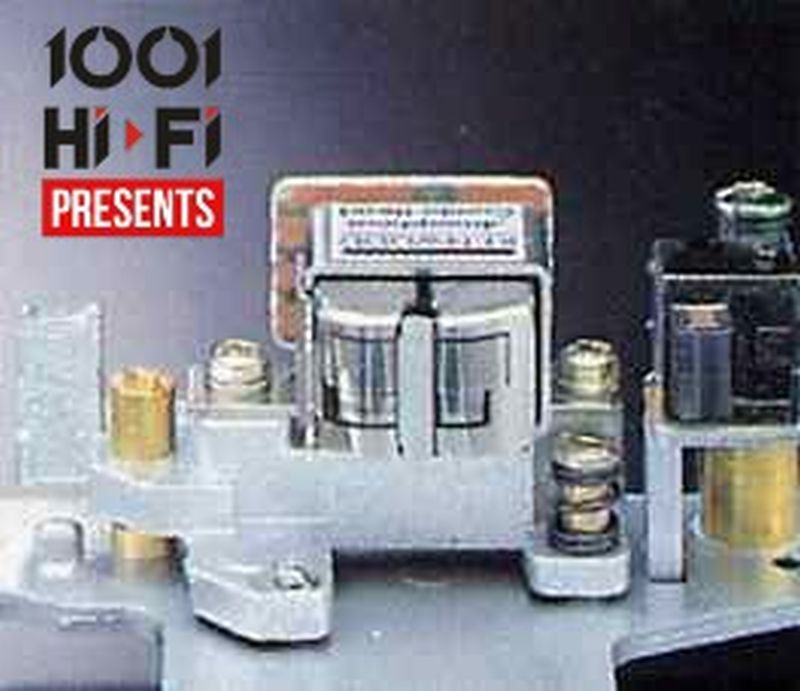
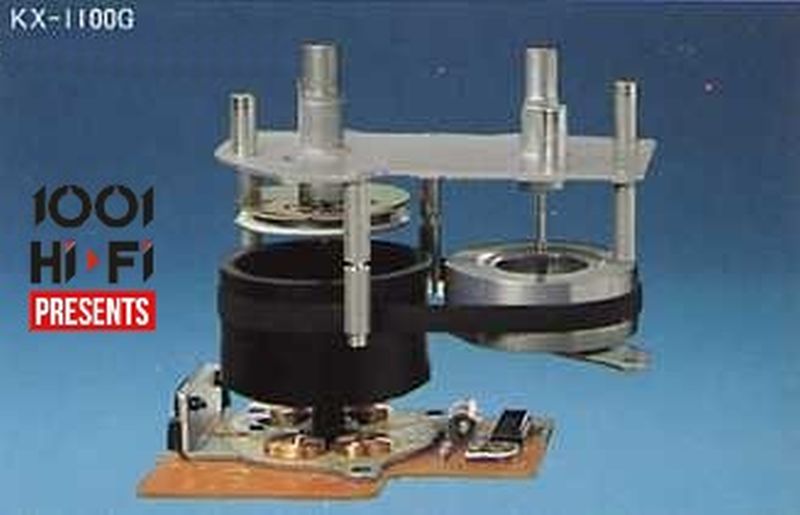
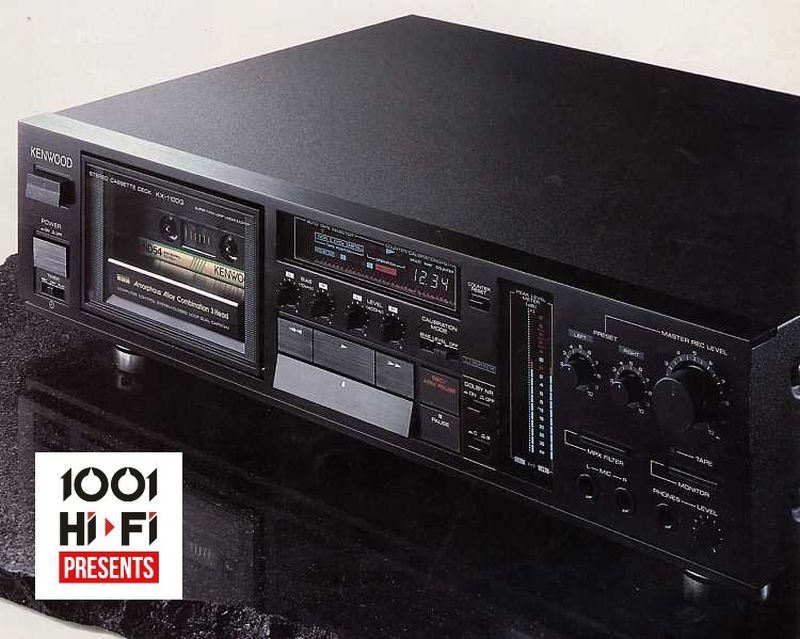
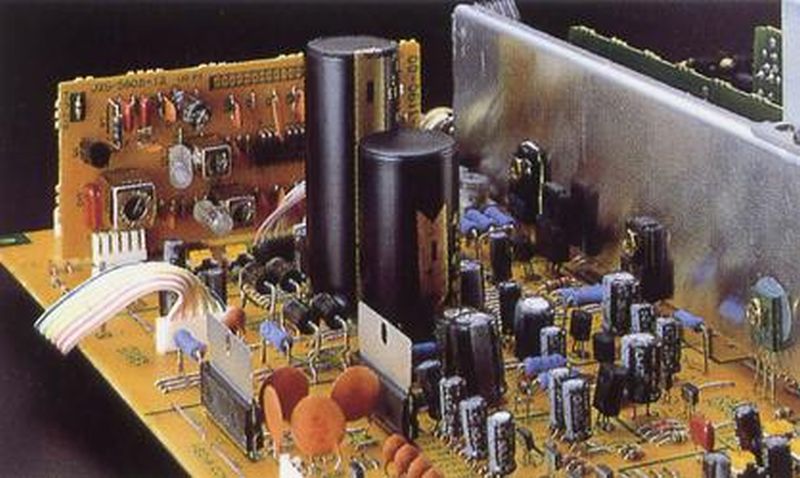
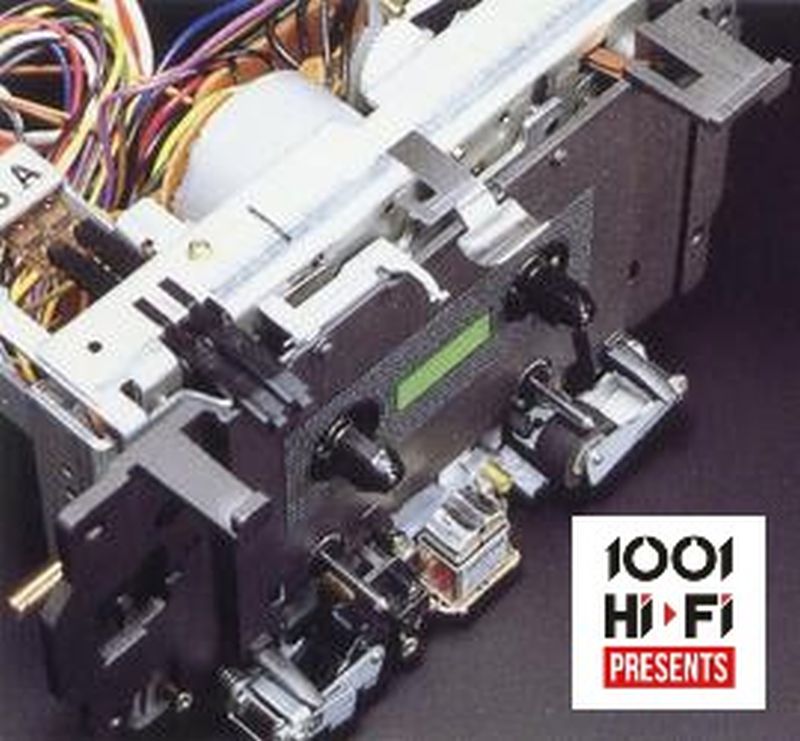
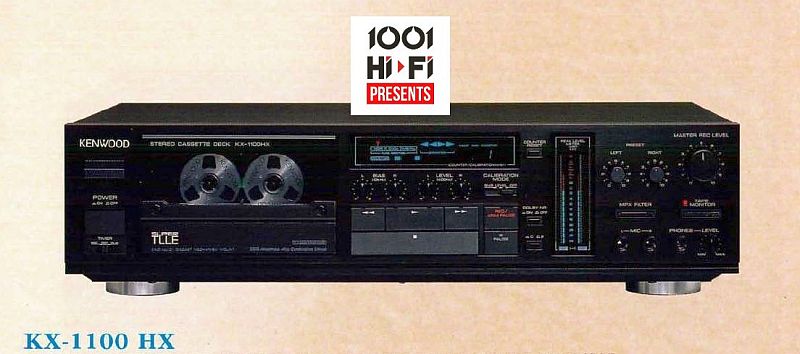
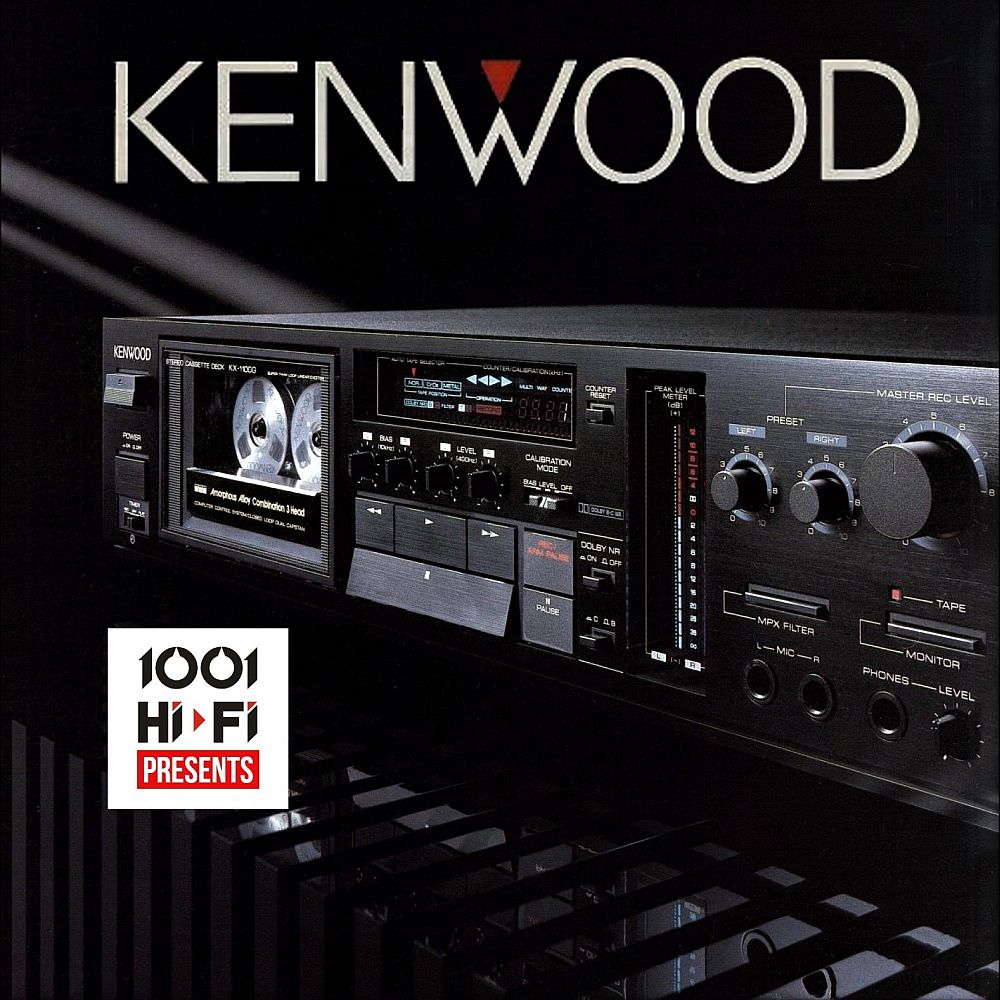
With the introduction of the KENWOOD KX-880, a very successful line of cassette decks was born. In 1985 as a further development of the 2 head KX-880, KENWOOD introduced the KX-1100G. This is a 3-Head Dual-Capstan cassette deck with Dolby B and C noise reduction circuits, built around a very good Direct Drive 3-motor mechanism sourced from Sankyo. A so-called Super Twin Loop Linear Exciter recording head amplifier was used together with a low-impedance large-core Amorphous Alloy recording head. The closed-loop dual capstan system features a so called Magnetic Thrust Absorber while the whole deck features a high-rigidity structure. Best recordings can be achieved with the use of bias and recording level calibration with oscillators and separate L/R controls. Recording levels are controlled by a Master and L/R preset level controls while the recording level is displayed on a vertical fluorescent peak-hold meter. In 1988 was introduced the KX-1100HX model with added Dolby HX-Pro circuit.
NAKAMICHI CR-7 (JAPAN 1986)
|
|
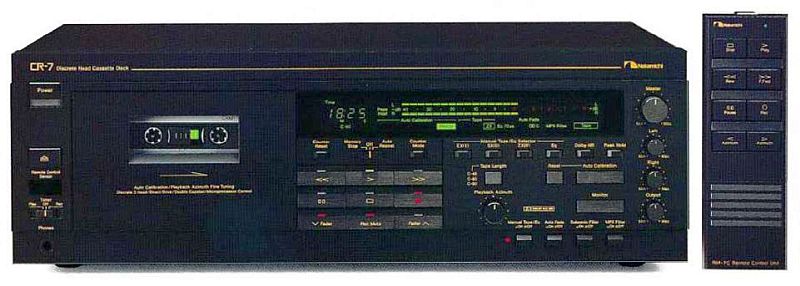
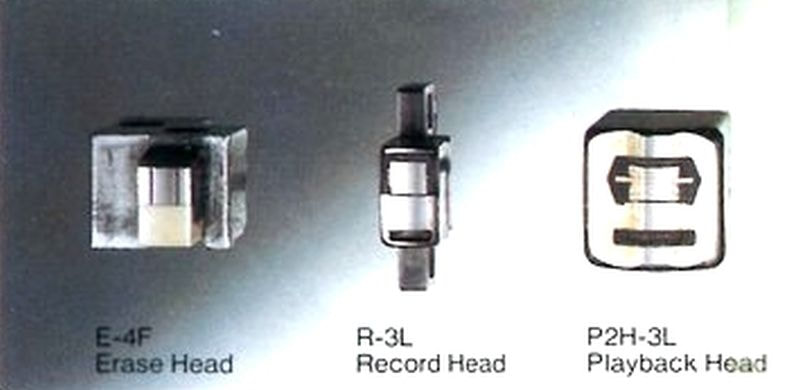
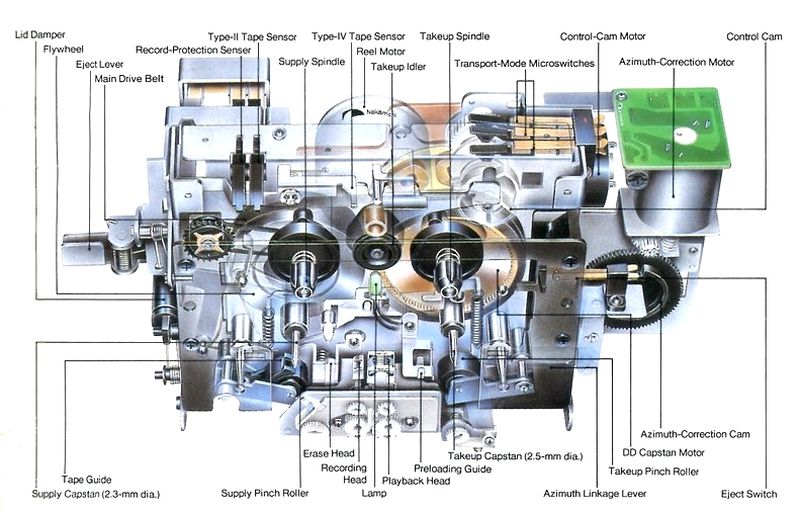
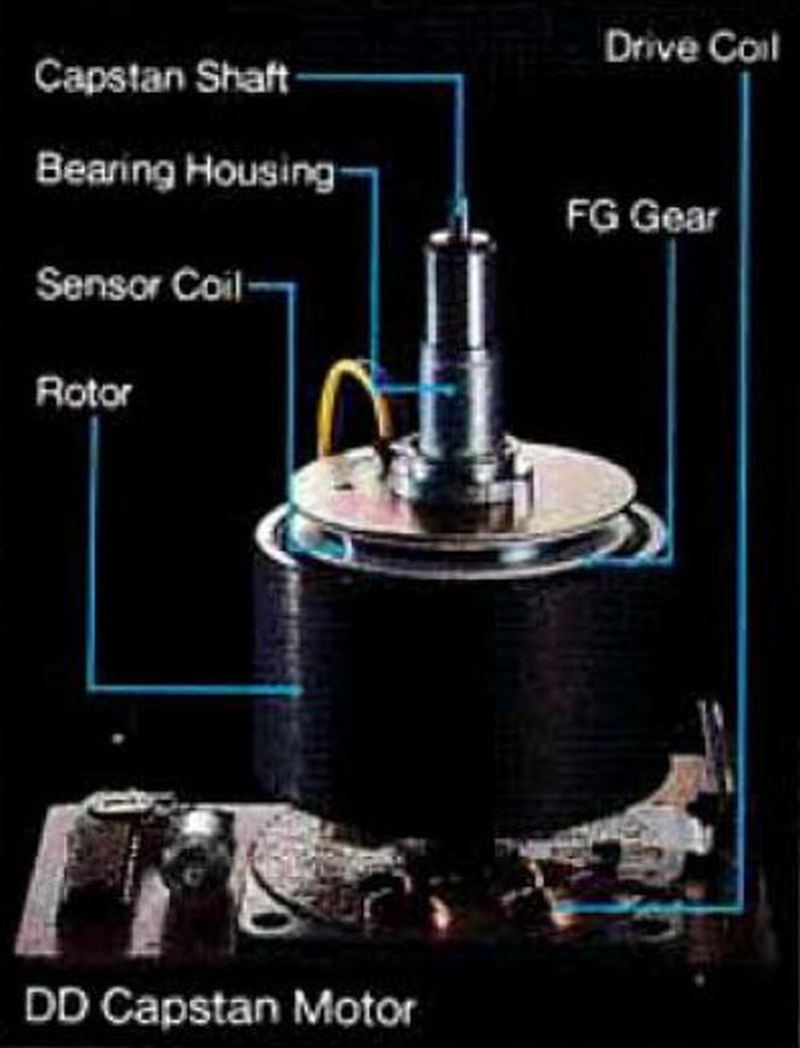
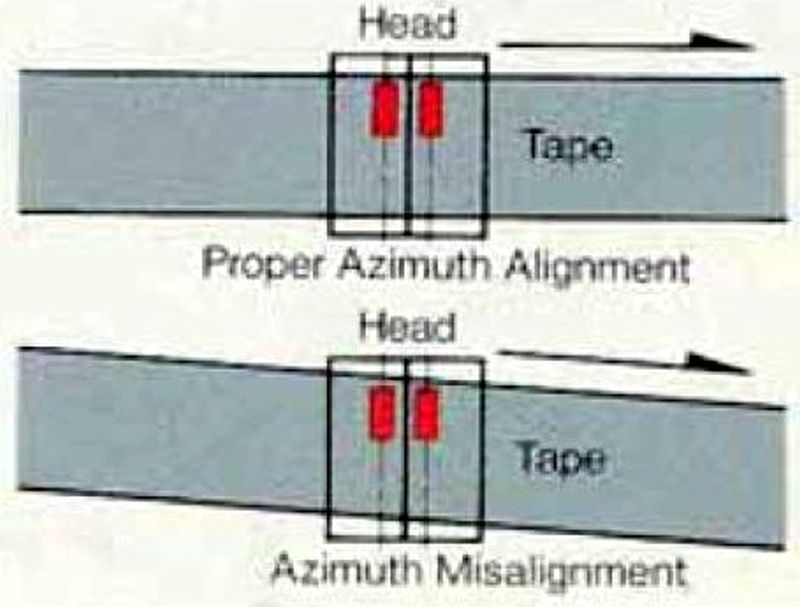
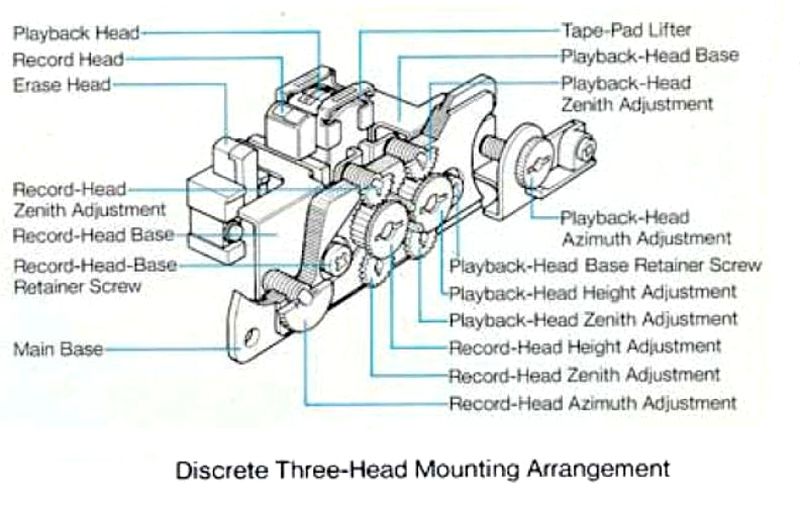
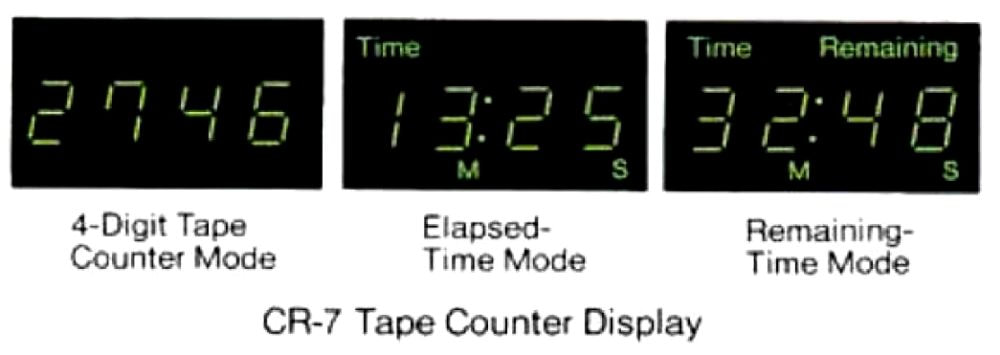
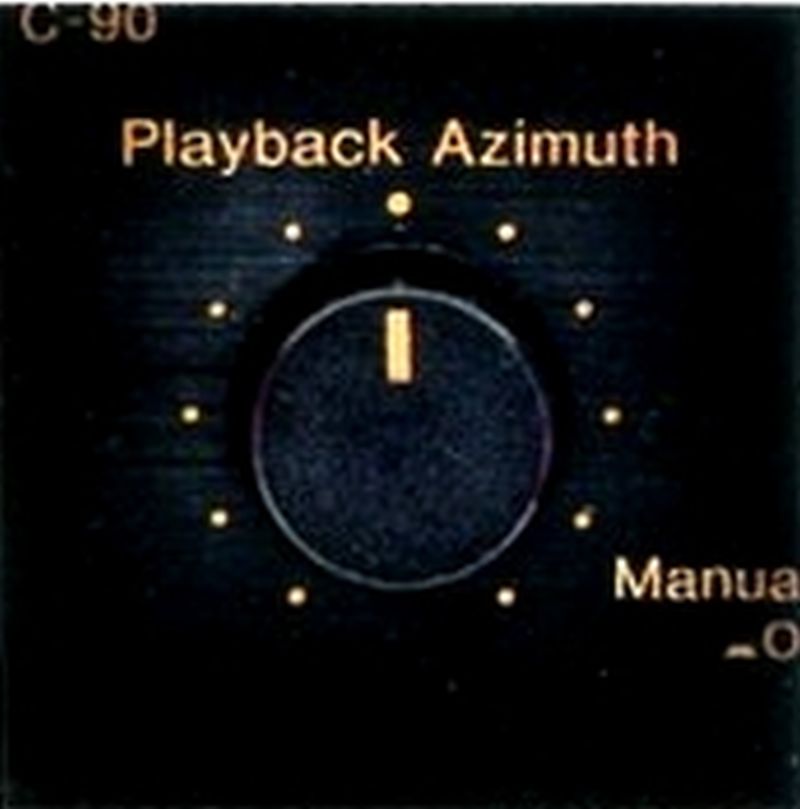
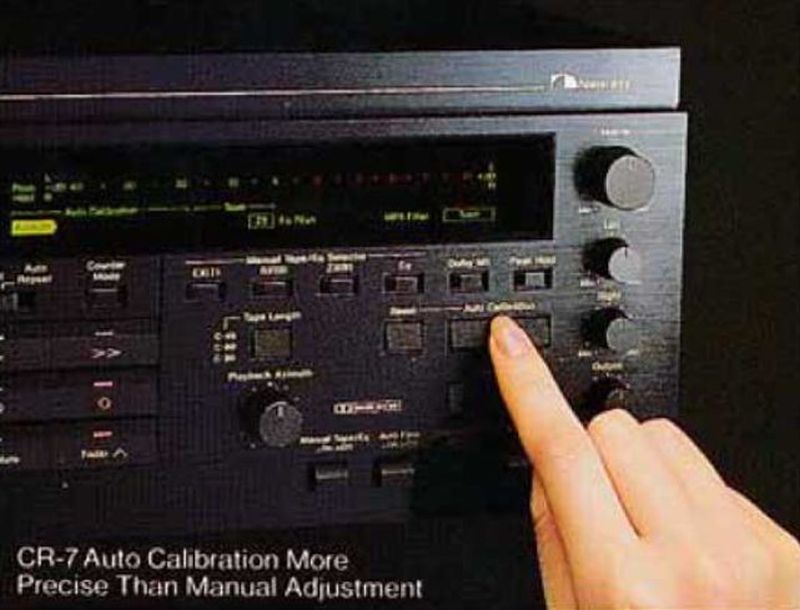
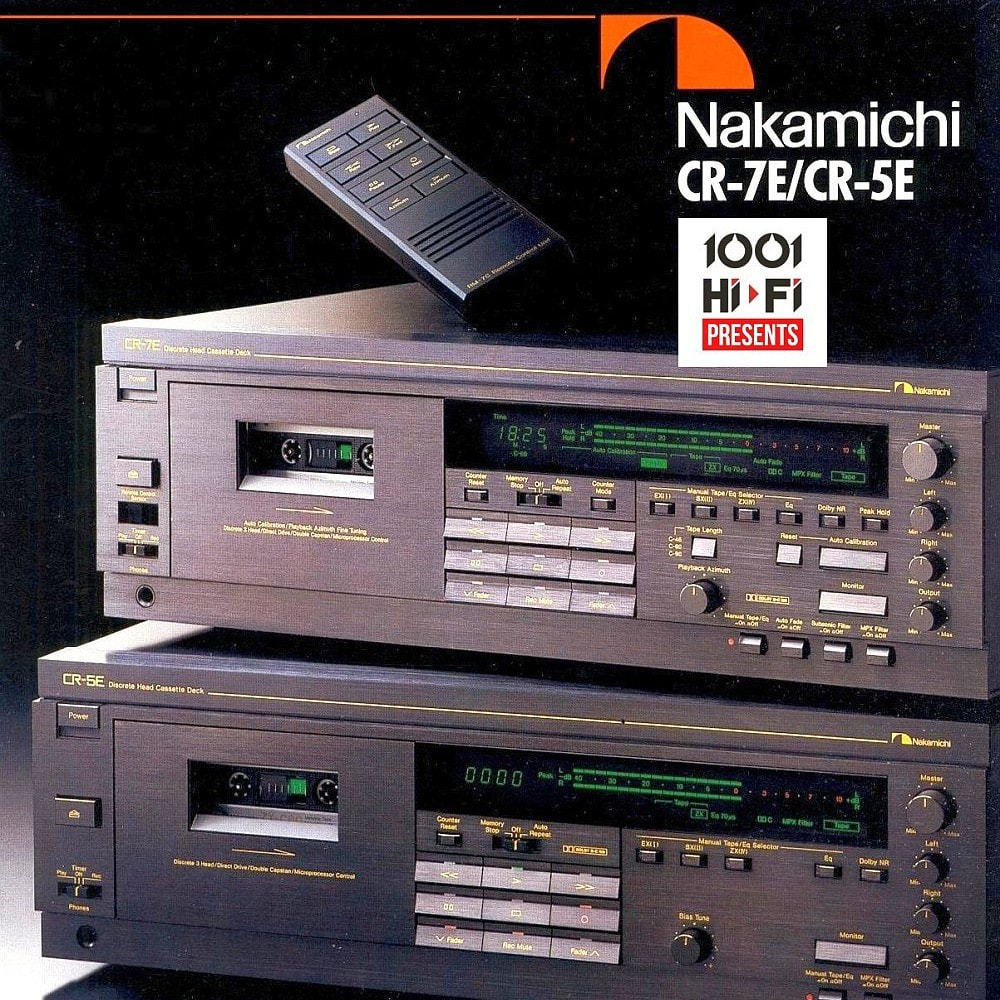
Nakamichi was at the vanguard of high-class cassette decks, providing the highest possible performance quality from every cassette while at the same time simplifying deck operation to make that performance available to everyone. The Nakamichi CR-7 and CR-5 Discrete-Head Cassette Decks embody both the vital aspects of this trend, offering fully discrete three-head designs, direct-drive closed-loop dual-capstan transports, low-distortion/low noise amplifiers and a host of other features. The Nakamichi CR-7 features the unique Nakamichi Auto Calibration System and the Playback-Head Azimuth Fine Tuning Control. While both decks offer superb value and can easily be integrated with the components of even the finest audio system in any home, they have been specifically designed to match the Nakamichi Home Audio Electronics Systems "7" and "5", for outstanding performance with the added convenience of total System Remote Control. Other features included are: real-time tape counter for C-90/60/46 tape - even if the tape is not fully wound to its beginning when mounted, Dual-Speed Master Fader Control with Auto Fade function (tape end auto fade out), Wireless Remote Control (CR-7), Output Level Control, Headphone Terminal. These cassette decks were built between 1986-1993 in three versions CR-70/CR-7A/CR-7E.
PIONEER CT-A9 (JAPAN 1983)
|
|
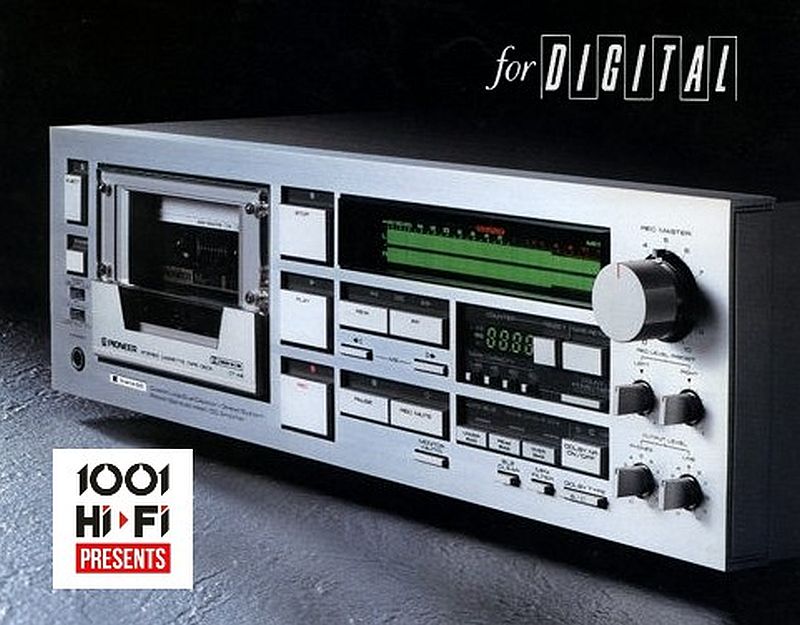
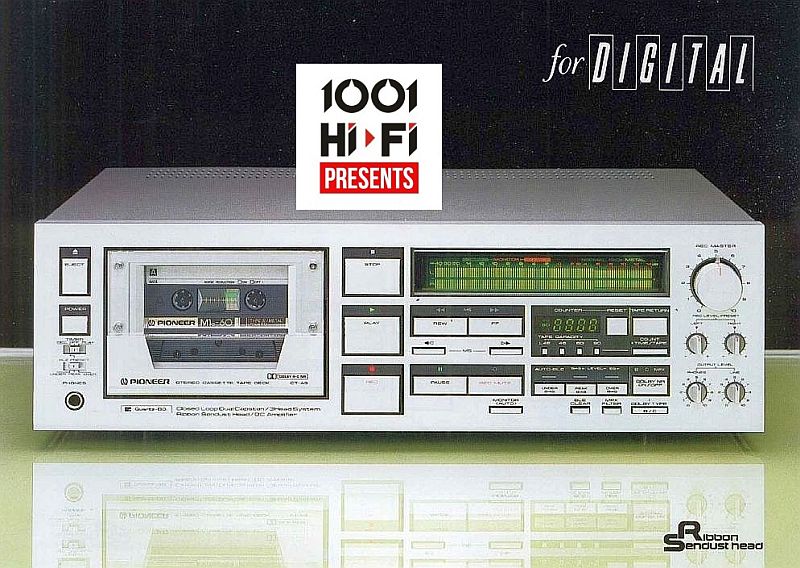
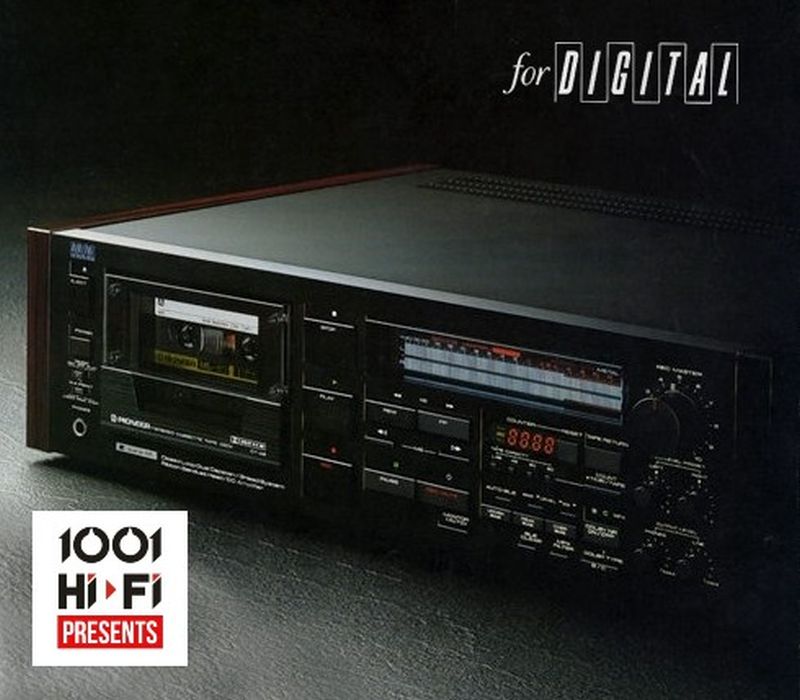
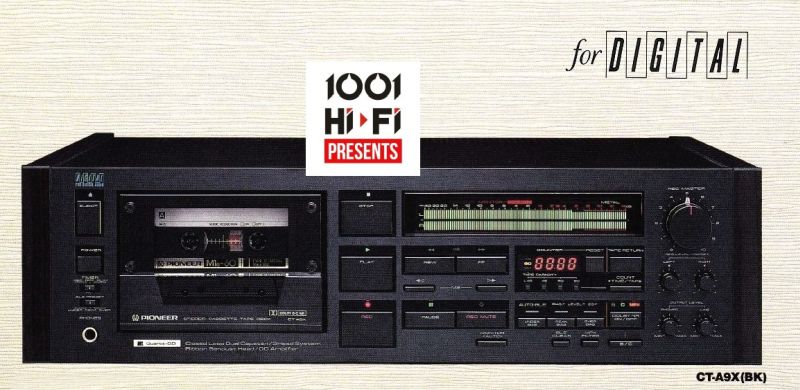
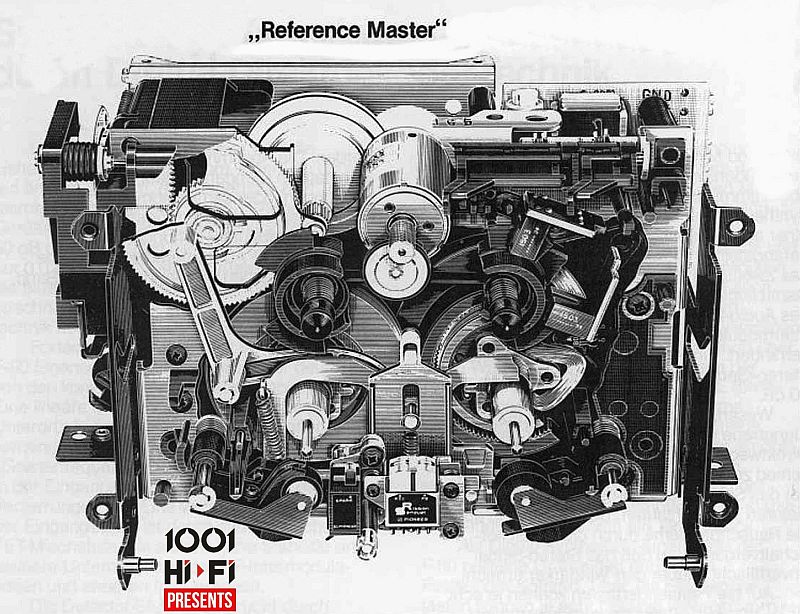
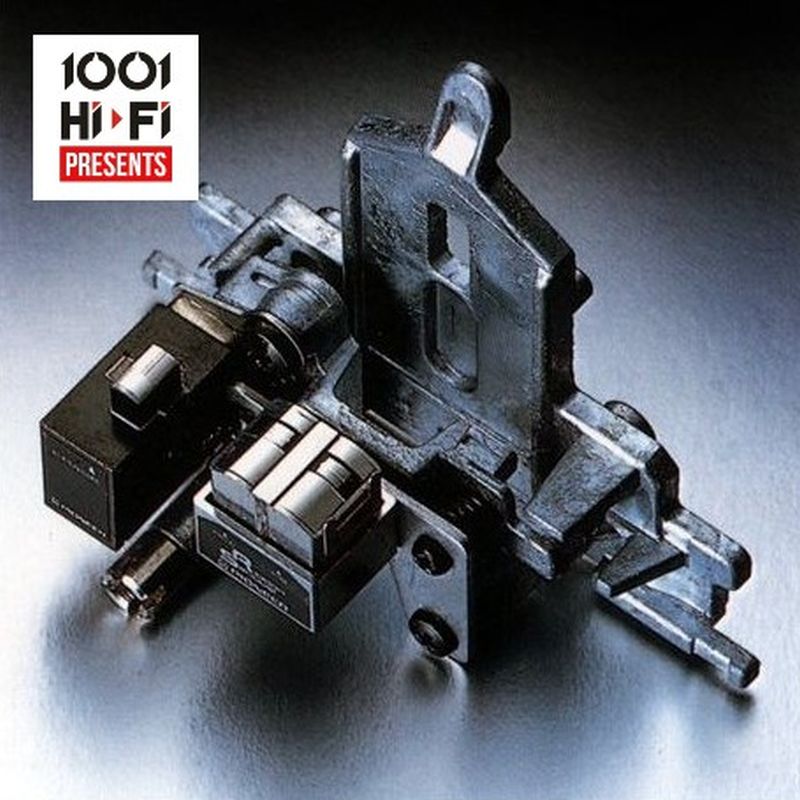
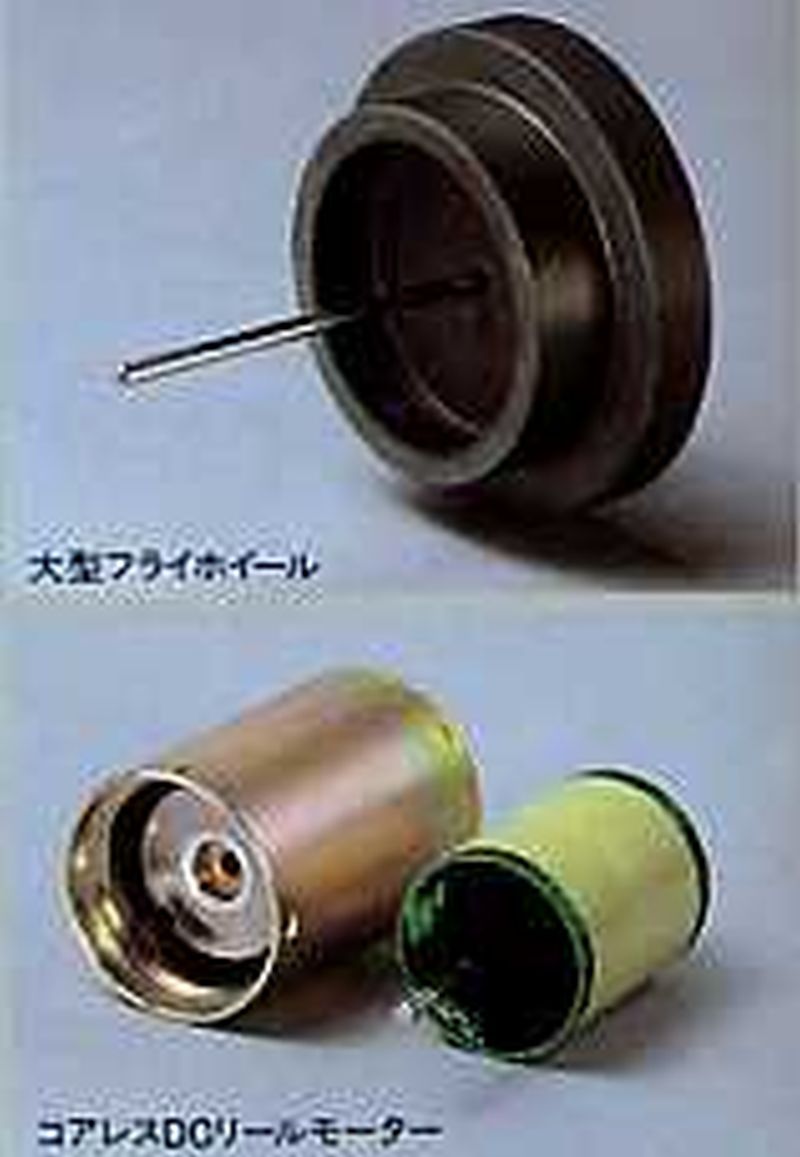
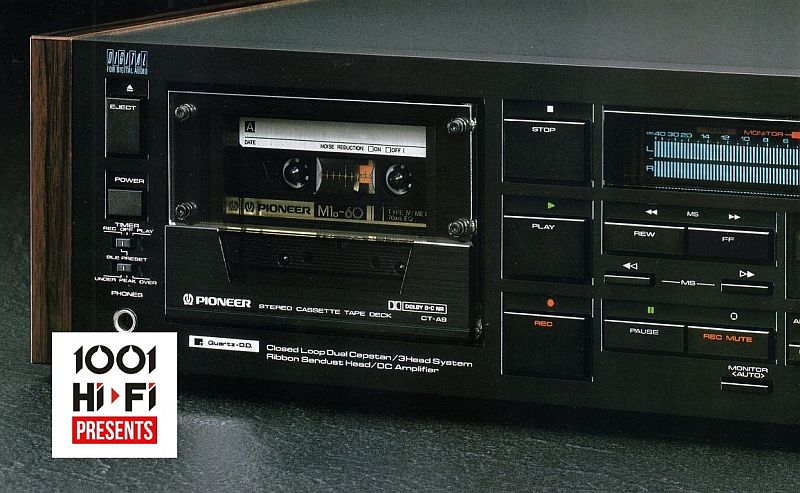
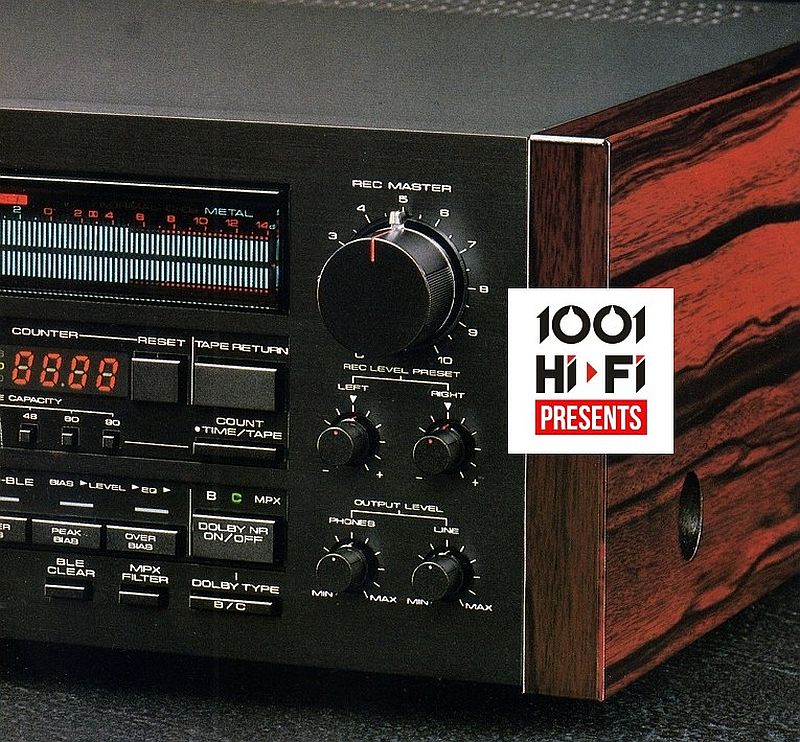
The Pioneer CT-A9 was introduced in September 1983 and its production continued up to 1986 with the "D" version. With this deck Pioneer introduced its own designed mechanism, the Z Mechanism (quickly renamed as "Reference Master Mechanism"). This is a staggered-resonance closed-loop dual-capstan drive for uniform tape tension and smooth tape running that eliminates dropouts, modulation noise and level variations. The capstan motor is a Quartz-PLL servo direct-drive DC motor that can achieve an ultra-low wow and flutter of 0.018% (WRMS). The Ribbon Sendust recording and playback heads are mounted on a pressure-diecast zinc support of extremely low tolerance. The mechanism is controlled by a 4-bit micro-computer. For optimum results with any tape the CT-A9 features Pioneer's own auto-tape calibration system, the AUTO-BLE. With a large 35 segment FL display the Pioneer CT-A9 was available in both silver and black versions. The black version usually was presented with vinyl-covered side panels in simulated rosewood grain.
REVOX B710 (SWISS 1981)
|
|
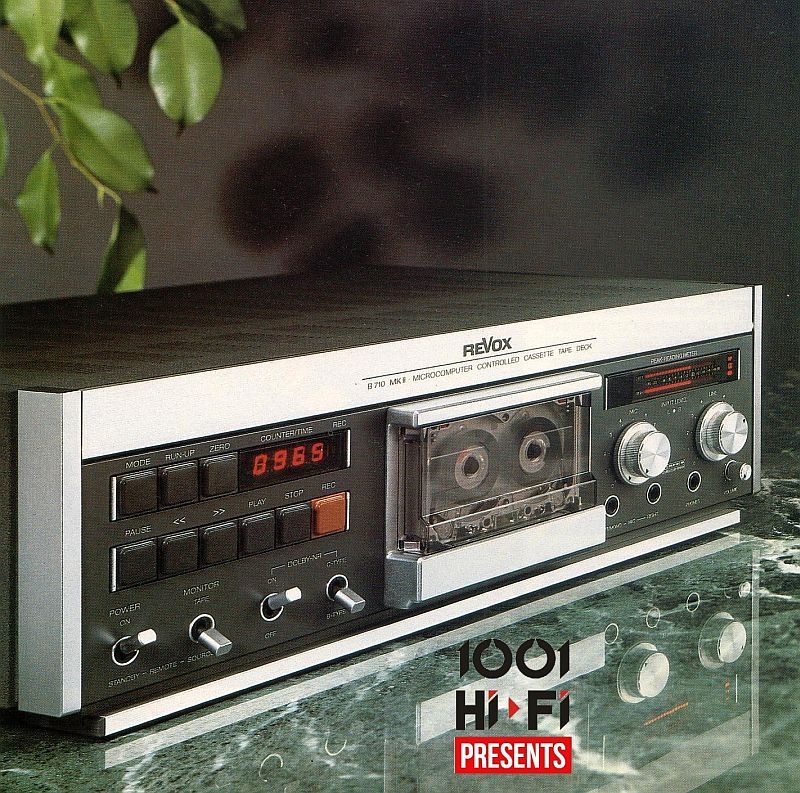
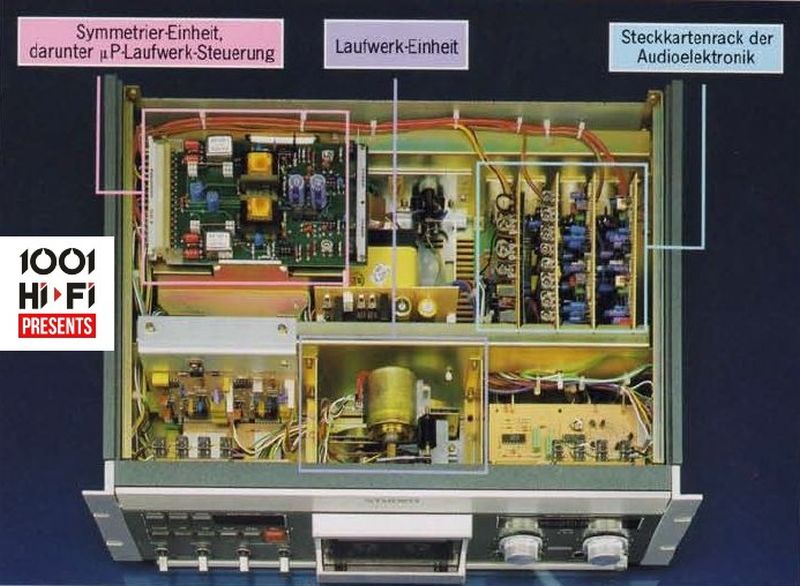
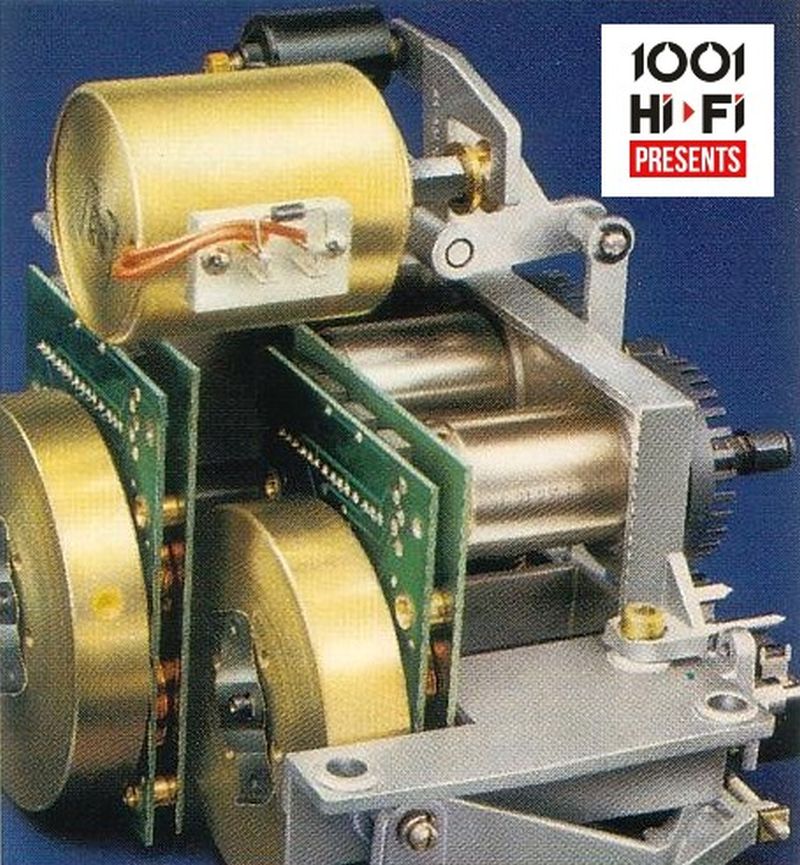
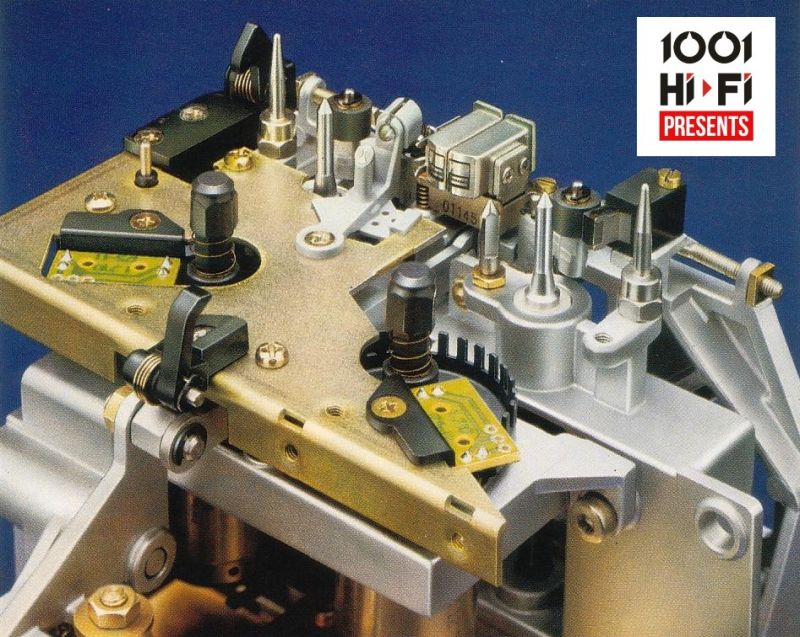
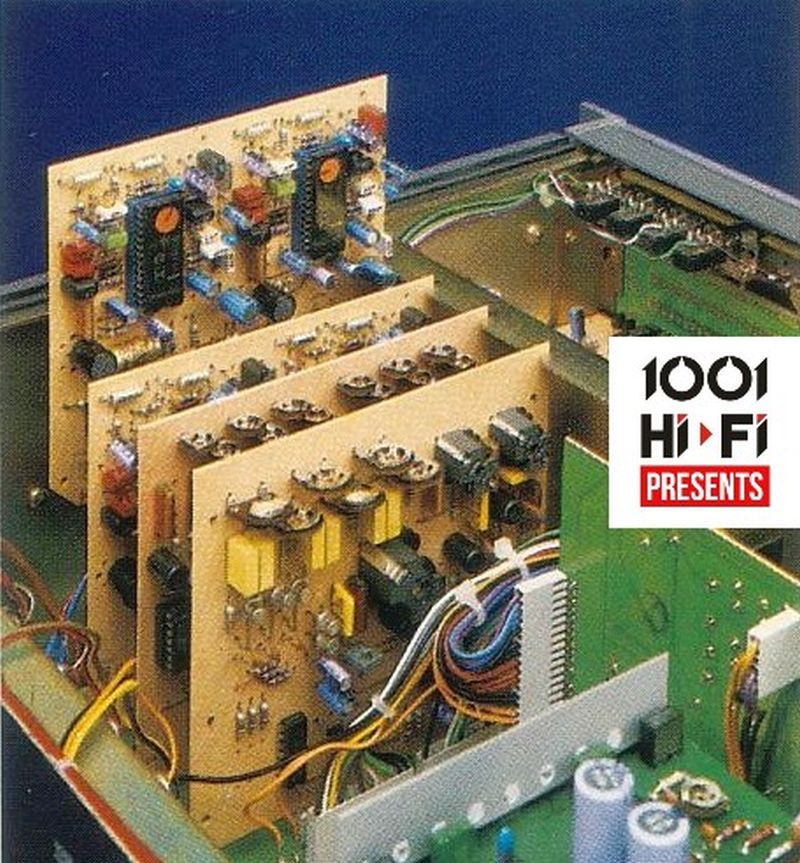
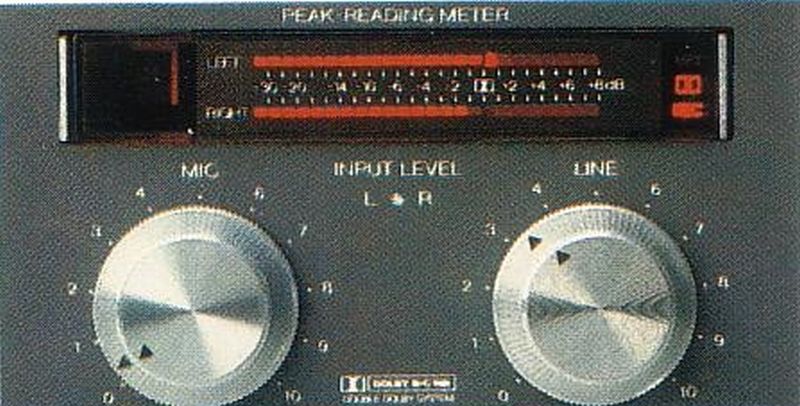
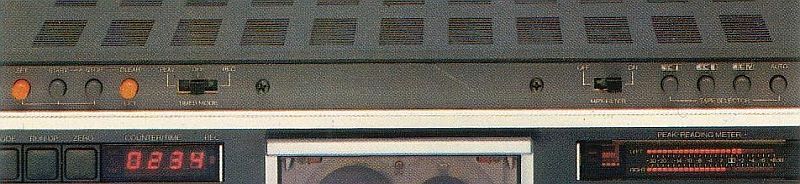
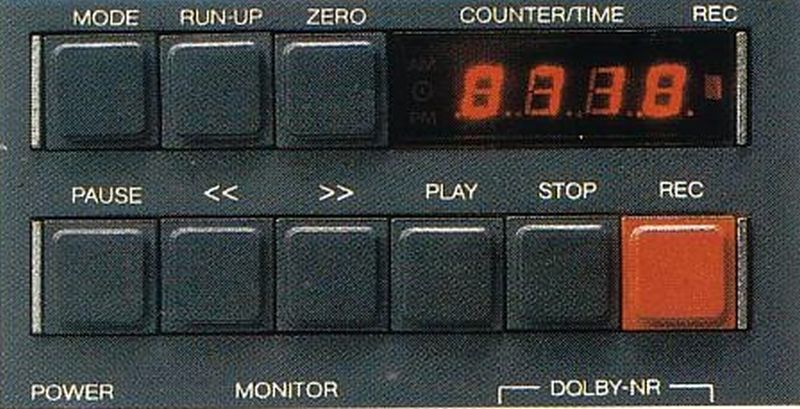
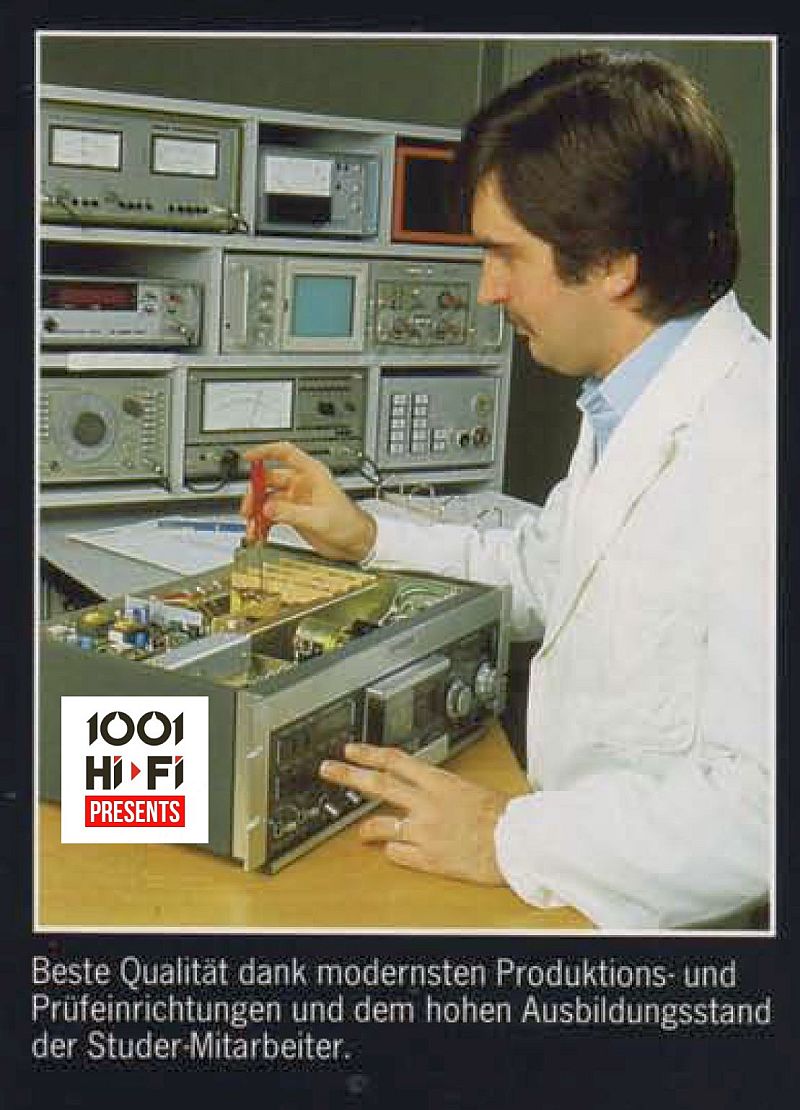
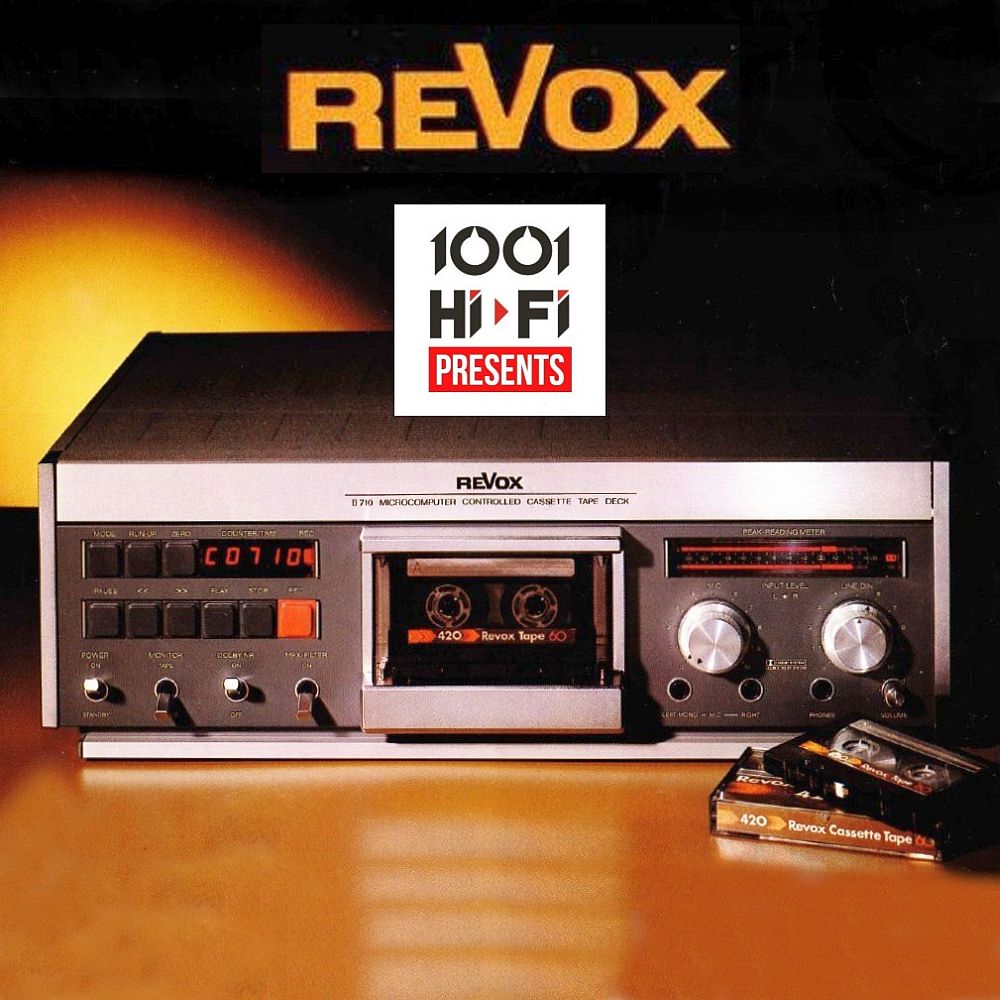
The world had to wait patiently for Studer Revox to develop a cassette recorder but once it was finally launched on the market, the Revox B710 very soon became the market leader. The first Revox cassette recorder was manufactured between 1981 and 1984 and there were two versions of it, MK I and MK II. At the core of the development was a 4-motor drive, that lived up to the high professional demands of the company. The drive worked without belt, friction clutches and mechanical brakes. Instead, it had two quartz-synchronized direct drive capstan motors and two take-up motors with optical tacho-generators that also took care of the braking. The complete movement process was controlled by a microprocessor. This resulted in a previously unknown protection for the delicate cassette tape while at the same time achieving record-breaking spooling speeds. This precision drive was later to be built into the professional cassette machines Studer B710 and B710 II. The amplifier electronics had four Dolby™ B processors. With the MK II version, you could even switch between Dolby™ B and C. That together with the professional 3 head technology (sendust-ferrite), resulted in a perfectly "dolbyised" read-after-write. Two LED chains, each with 24 LEDs was ´built in to give optimal output control. The electronic press button control and an electronic counter with timer function ticked all the boxes when it came to operating the device. In 1981, the Revox B170 was voted "Most outstanding new development of the year" at the Consumer Electronics Show in Los Angeles. Three years later at the same show in 1984, it was again voted "Most outstanding new development of the year in the area of magnetic sound and studio technology".
TANDBERG TCD 900 SERIES (NORWAY 1985)
|
|
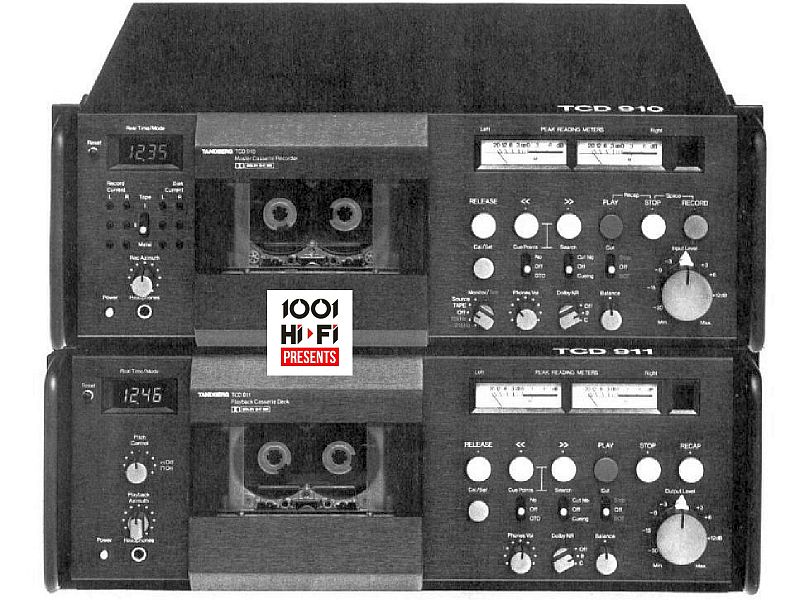
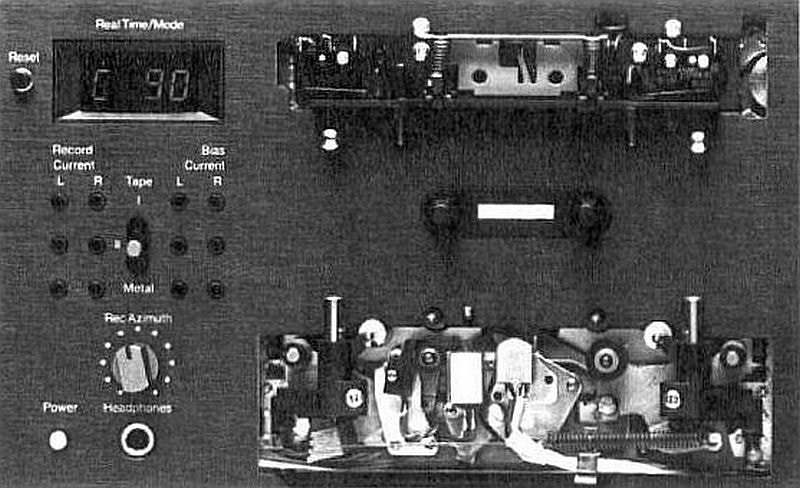
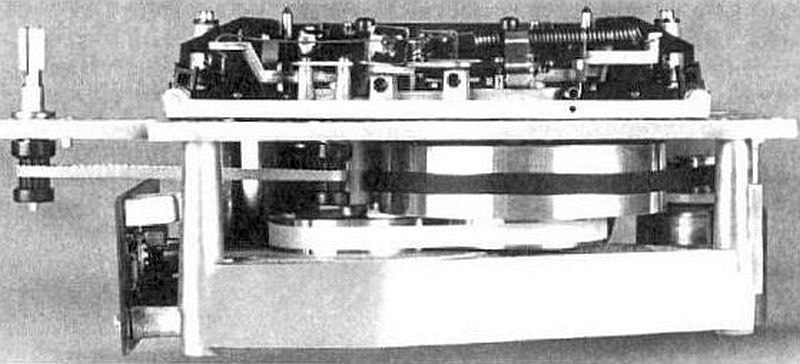
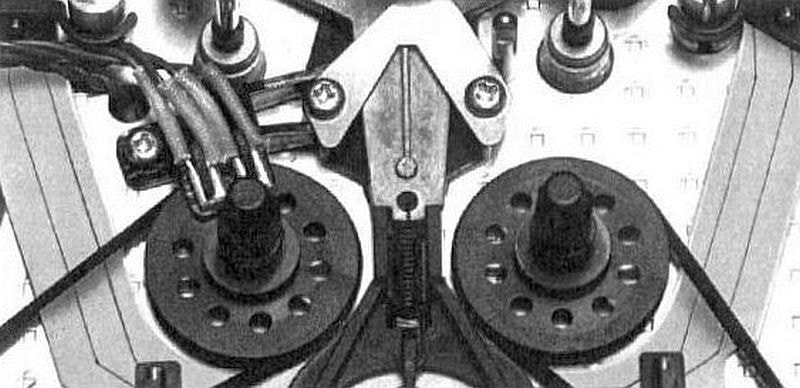
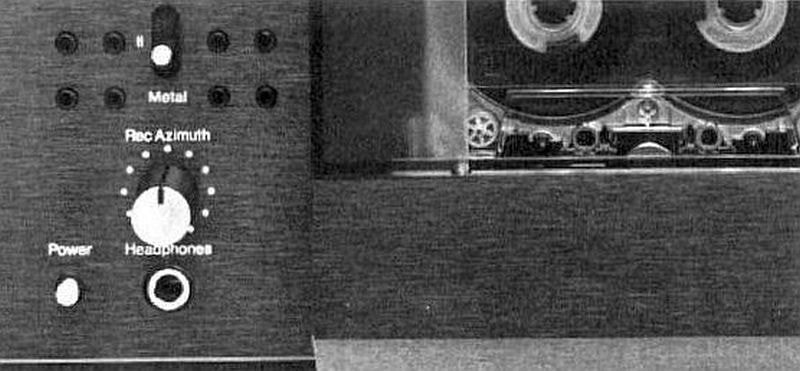
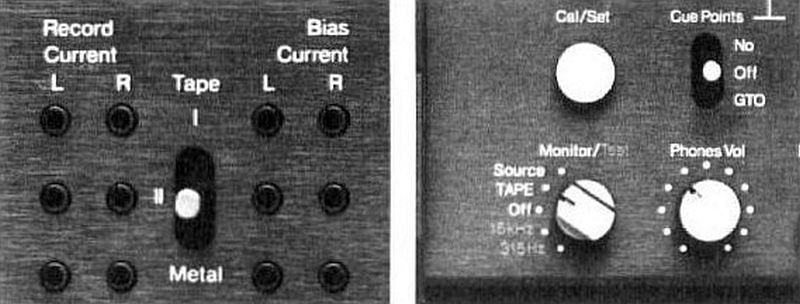
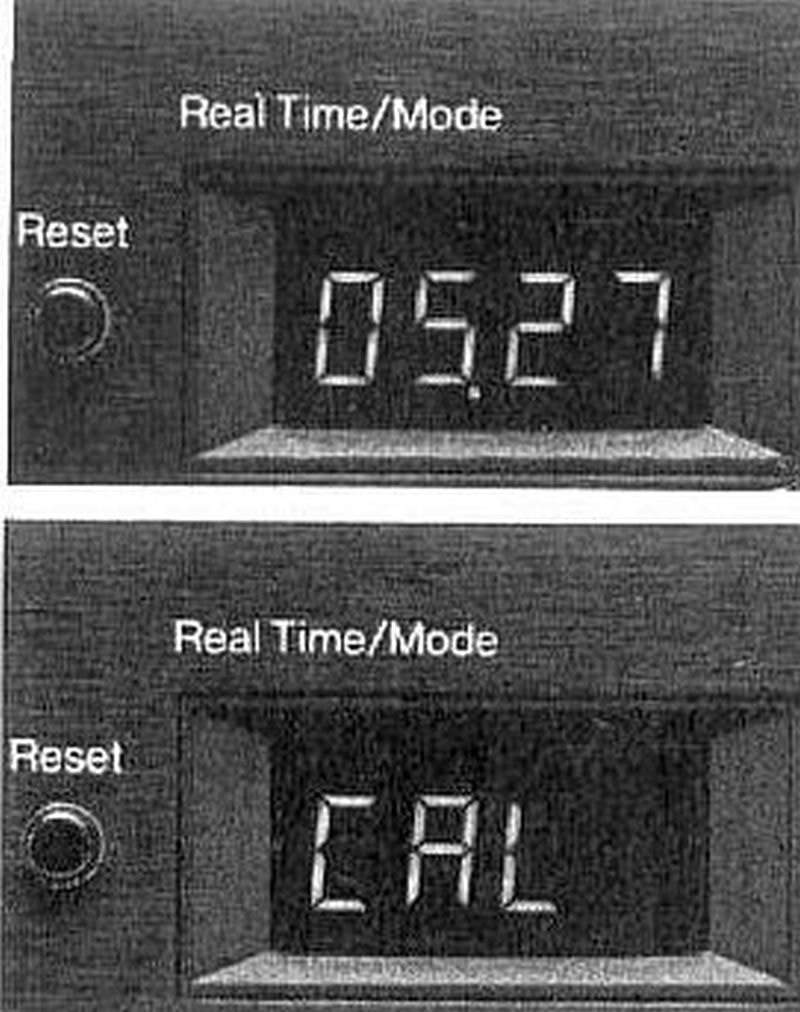
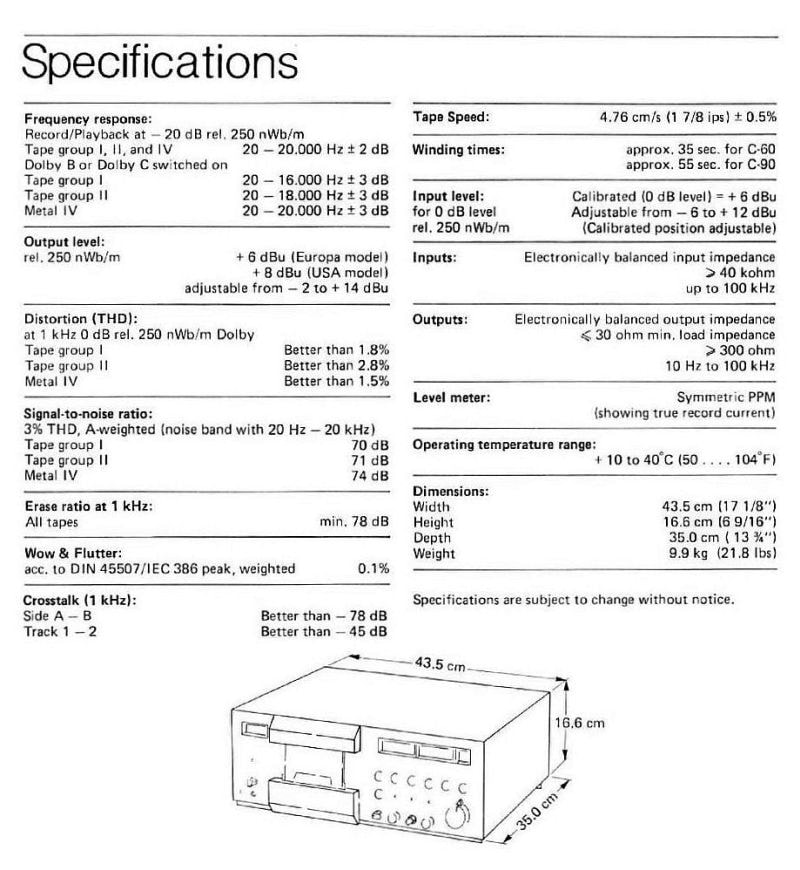
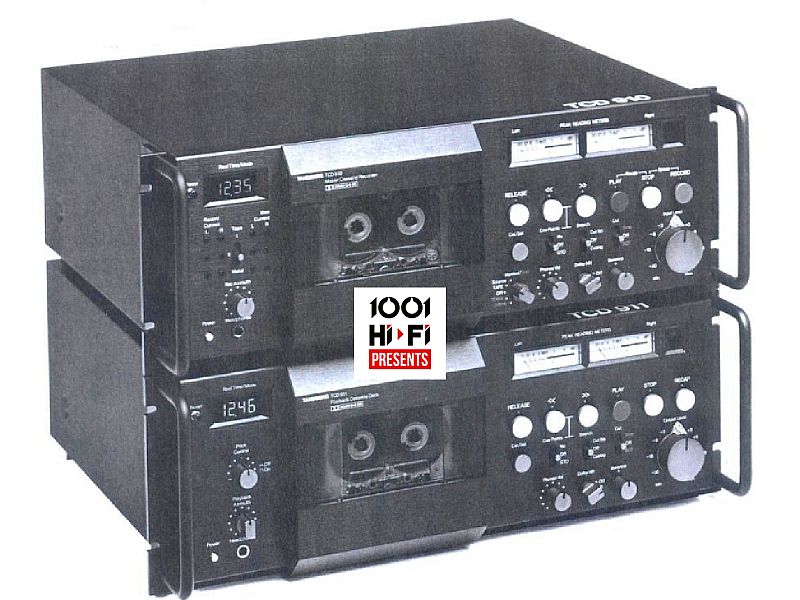
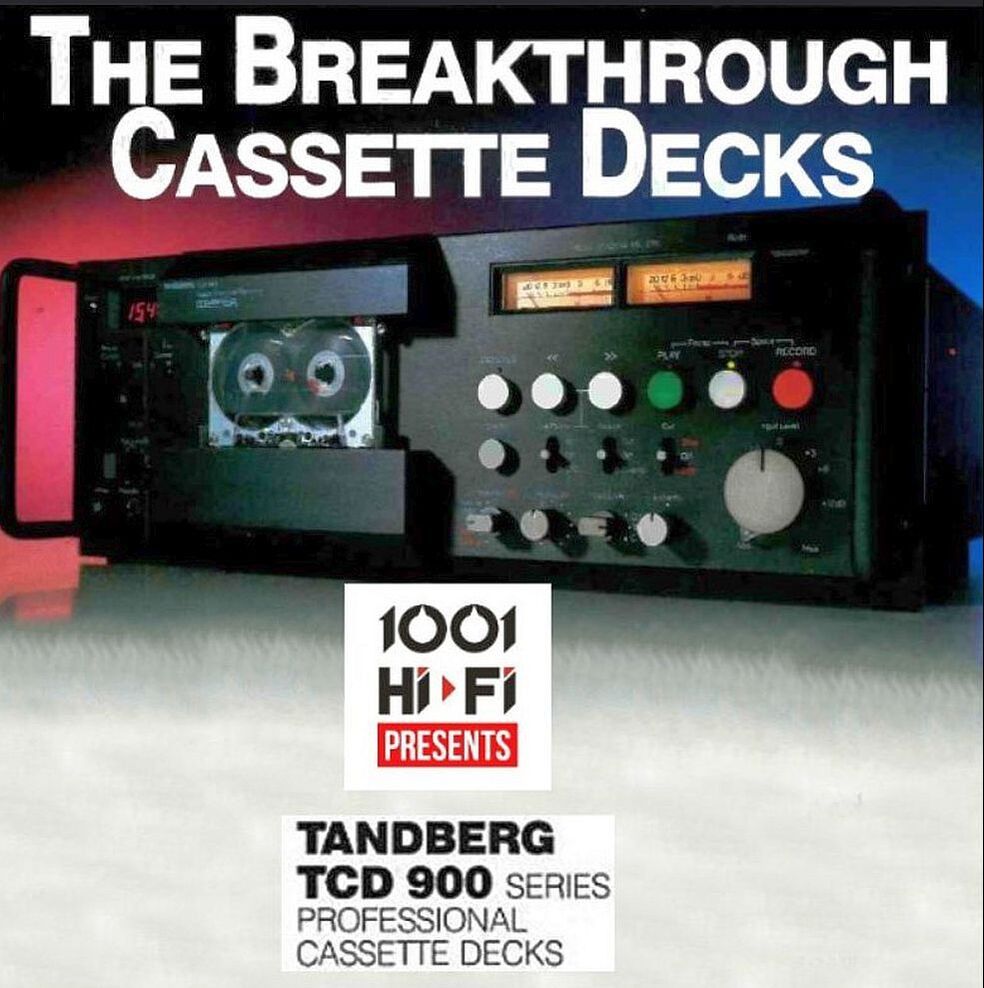
With the introduction of the TCD 900 series, Tandberg broke the barrier of professional cassette use. In one machine are combined superior sound capability, superior mechanical and electronic quality, control flexibility based on an 8-bit microprocessor with 32 K of EPROM memory. Introduced in 1985 the TCD 910 was a Master Cassette Recorder while the TCD 911 was a Playback Cassette Deck. Both deck feature Direct load cassette compartment with electro mechanical locking of the cassette and four servo control motors - one each iron coreless spooling, one DC servo frequency generator capstan drive and one DC servo pinch roller/head bridge actuation. Both are dual capstan closed loop drive with direct opto-electronic sensing of hub spindle rotation for precise real time counter accuracy. The TCD 910 features recording head azimuth adjustment while the TCD 911 features playback head adjustment (both external and manual adjustments) The incorporated DYNEQ, Tandberg's patented headroom extension system and ACTILINEAR II (a transconductance amplifier which takes the record and bias signals as pure voltage and converts them to pure current) contribute to superior sound performance. The built-in tape calibration system (TCD 910) allows optimum performance with all type I, II or IV tapes on the market. For studio use these decks feature electronically balanced XLR input/output connectors, RS 232 data interface for program automation and 19-inch rack mount ears. Only 400 of these units were built.
TEAC Z SERIES (JAPAN 1983)
|
|
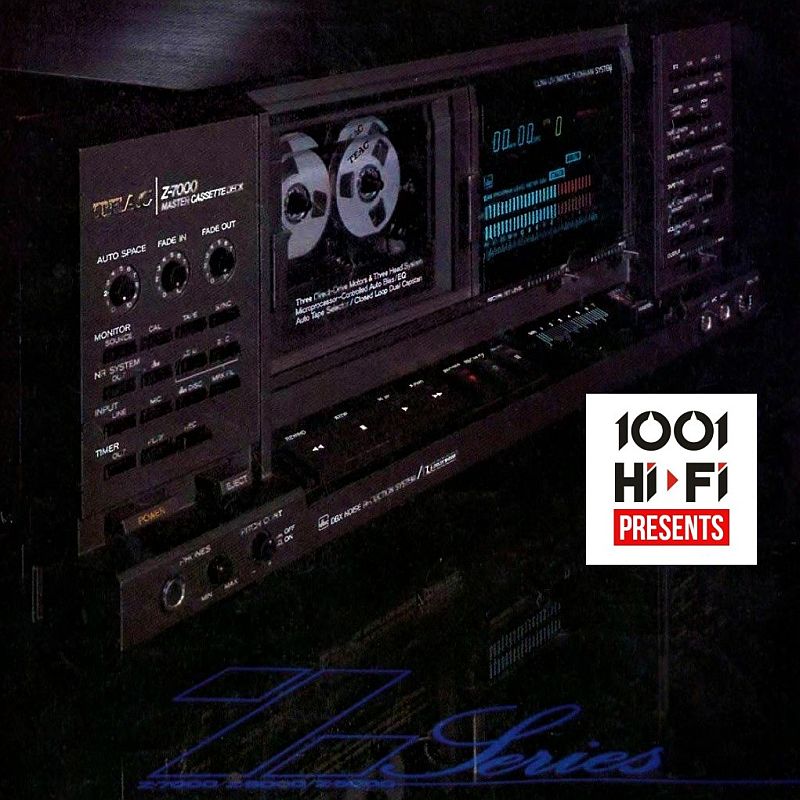
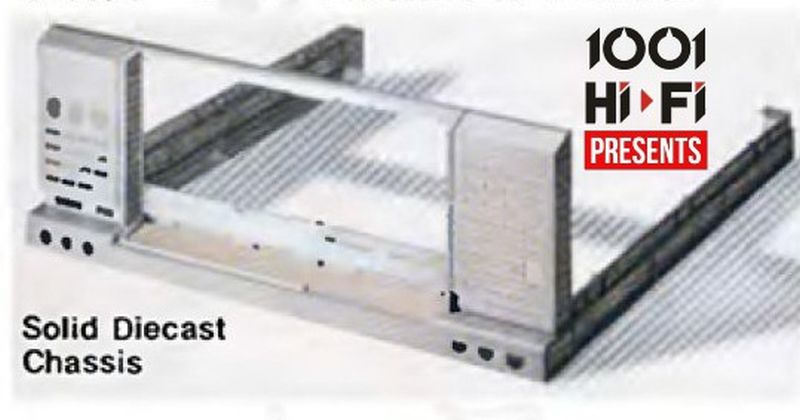
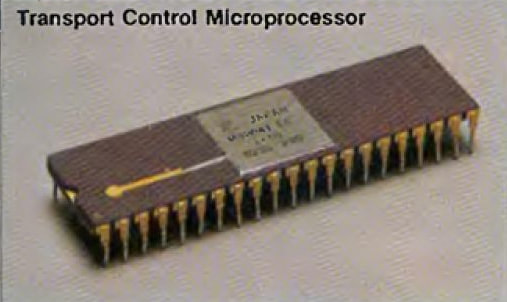
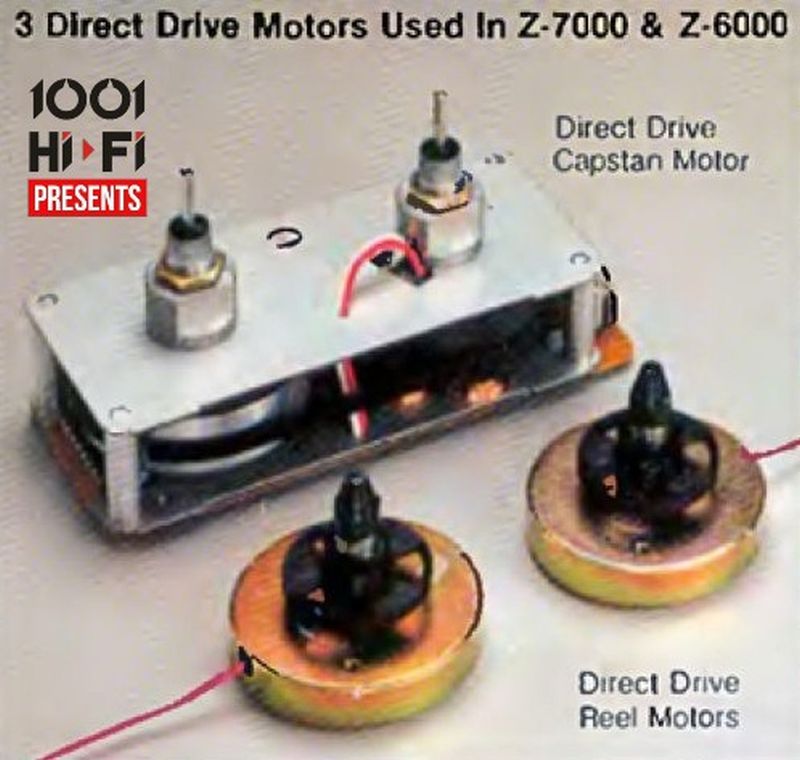
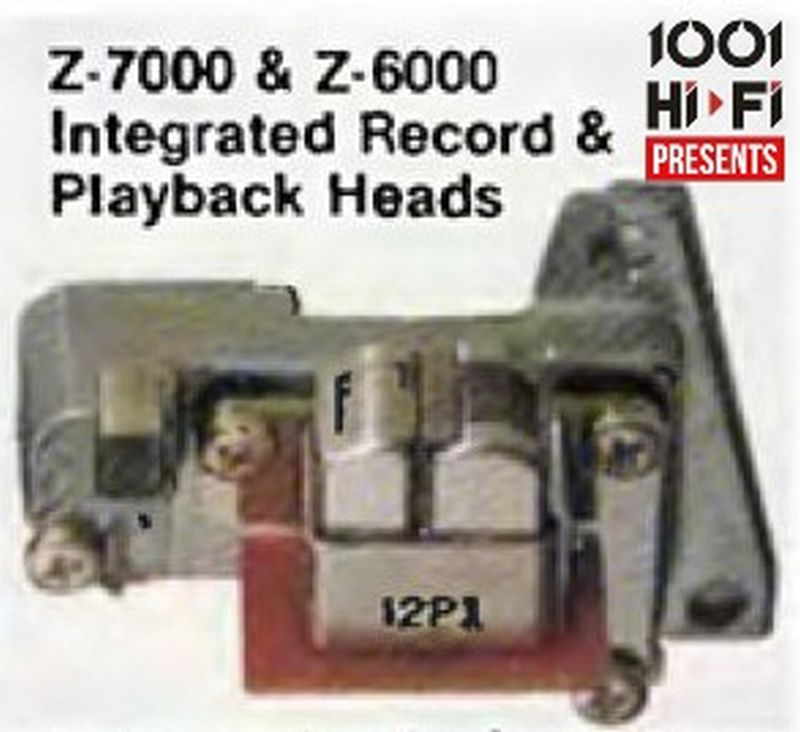
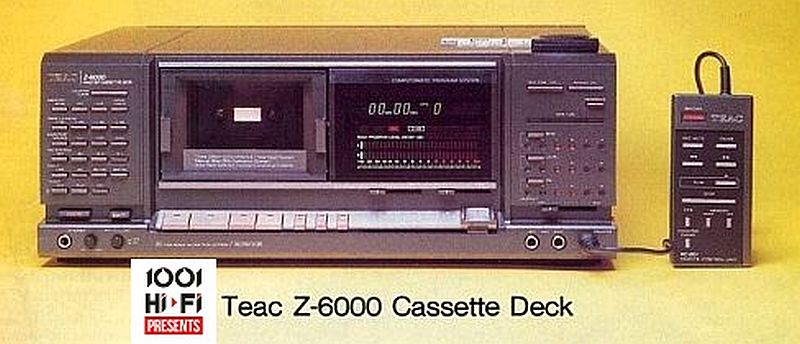
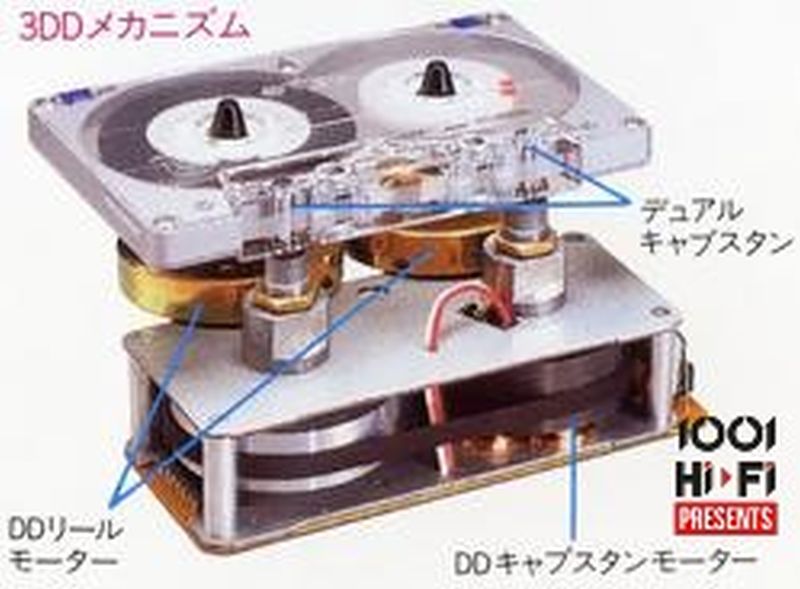
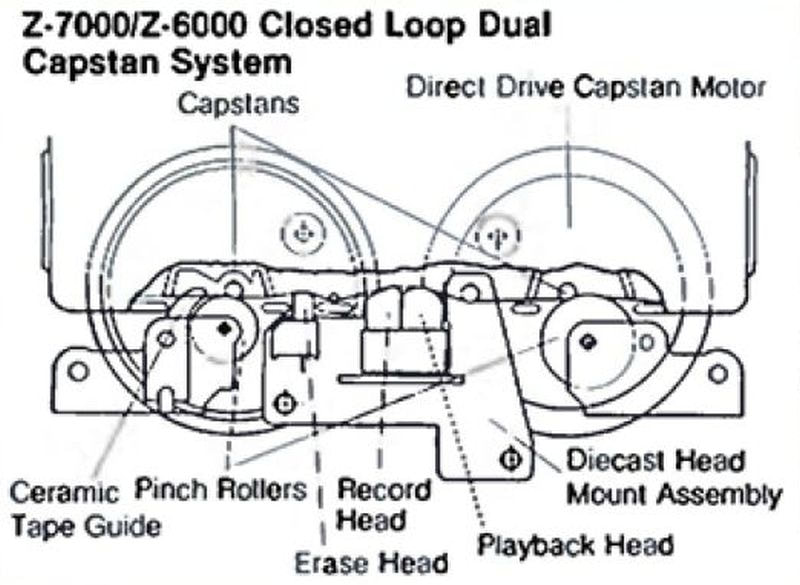
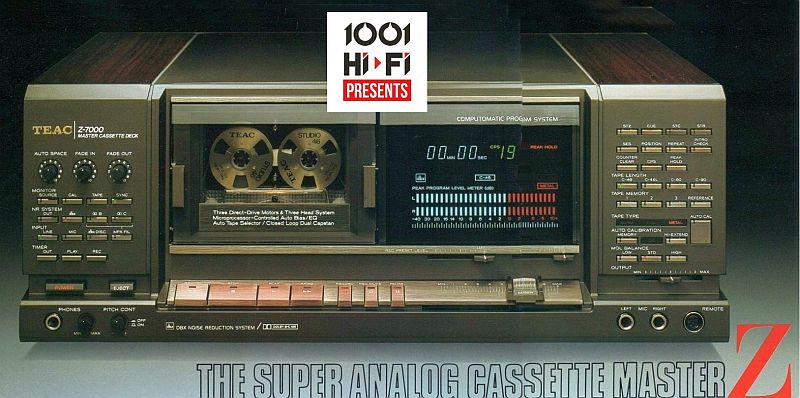
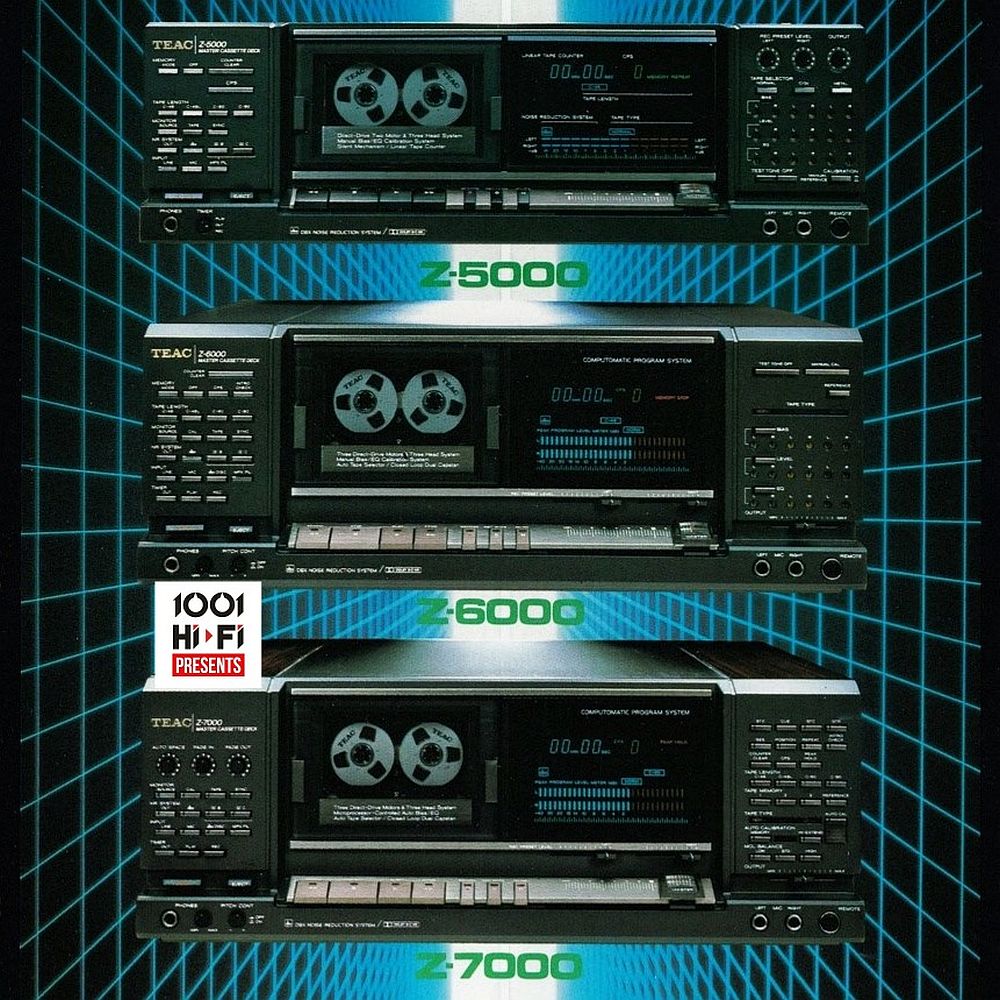
The TEAC Z-7000, Z-6000 and Z-5000 are Masterpieces in cassette reproduction technology introduced in 1985. Here are some highlights of the incorporated technology. For high transport performance the Z-Series transports are all constructed on a solid diecast chassis - highly resistant to vibration, resonance and warpage. In the Z-7000 and Z-6000, three independent high precision motors are built onto this chassis: an FG servo brushless direct drive capstan motor and two coreless direct drive reel motors operating in a dual capstan closed loop system. The Z-5000 achieves similarly high performance with a two-motor transport consisting of one direct-drive motor driving a single capstan, and an independent DC motor powering the reels. In the Z-7000 and Z-6000 the playback head is a top-precision ferrite design, while the recording head is formed of sendust. The Z-5000 offers essentially the same three-head system, but with TEAC original hard permalloy formulation. Perfect record bias, level and EQ are obtained by the Z-7000 with an automatic calibration system while the Z-6000 and Z-5000 feature a precise manual calibration system. All decks feature Dolby B, C and dbx noise reduction circuits. Real-time tape counter, 30-sement fluorescent peak level meters (14 segments in the Z-5000) and a series of convenience and sound features are also included for tape enthusiasts.
TECHNICS RS-M280 (JAPAN 1981)
|
|
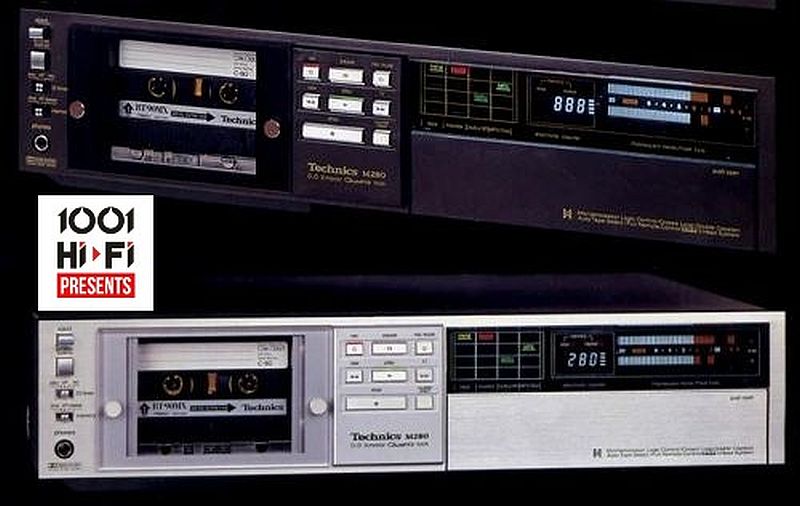
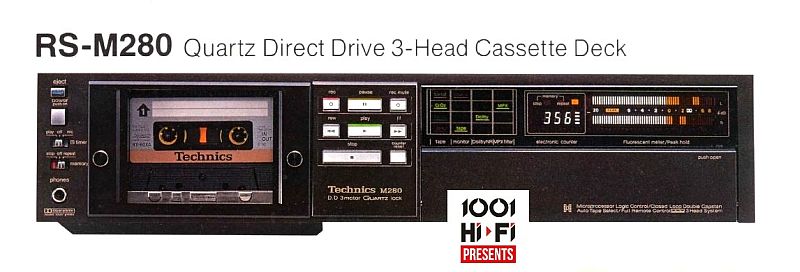
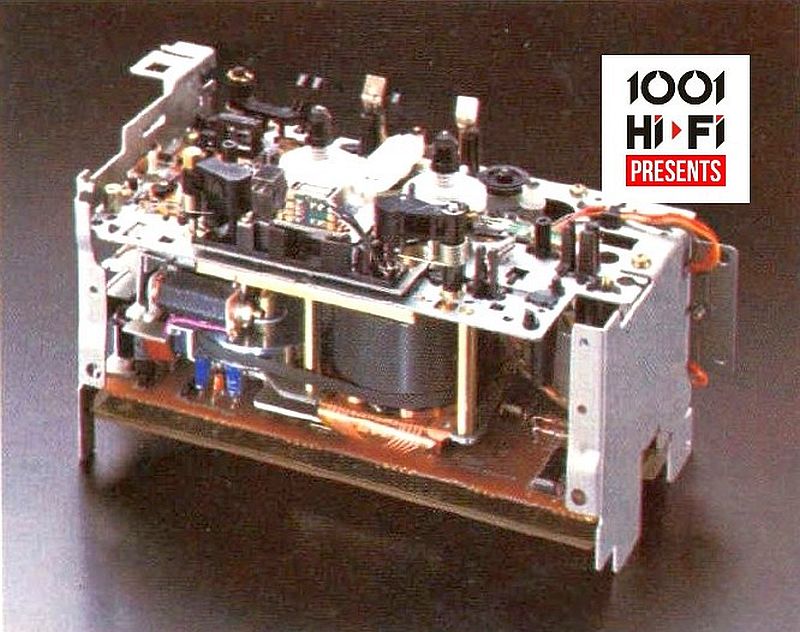
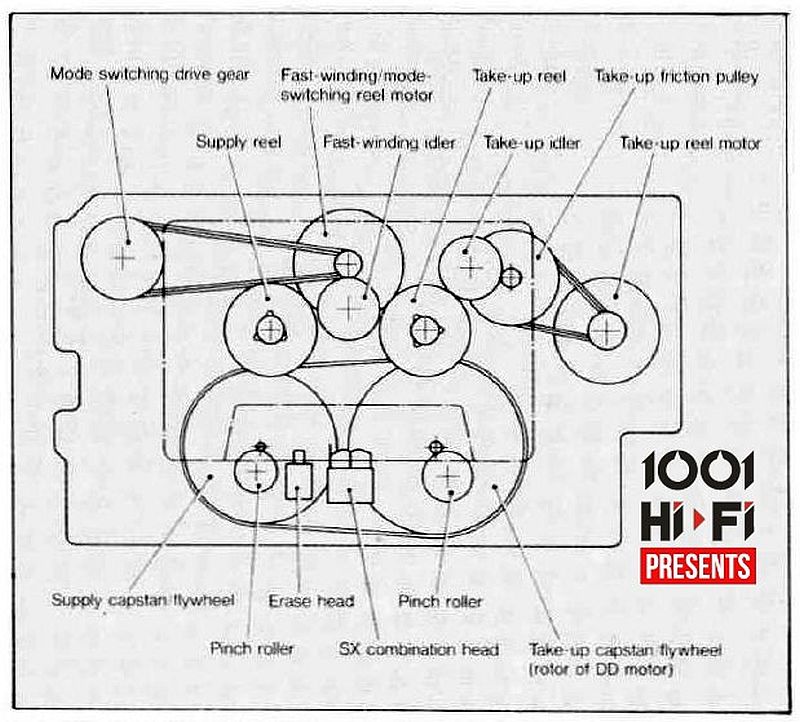
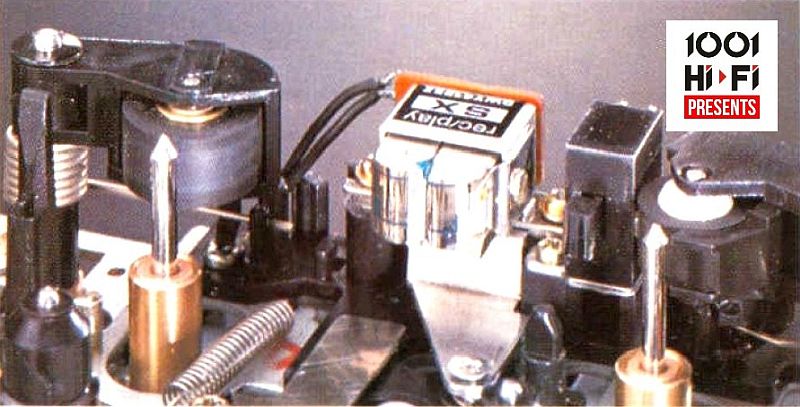
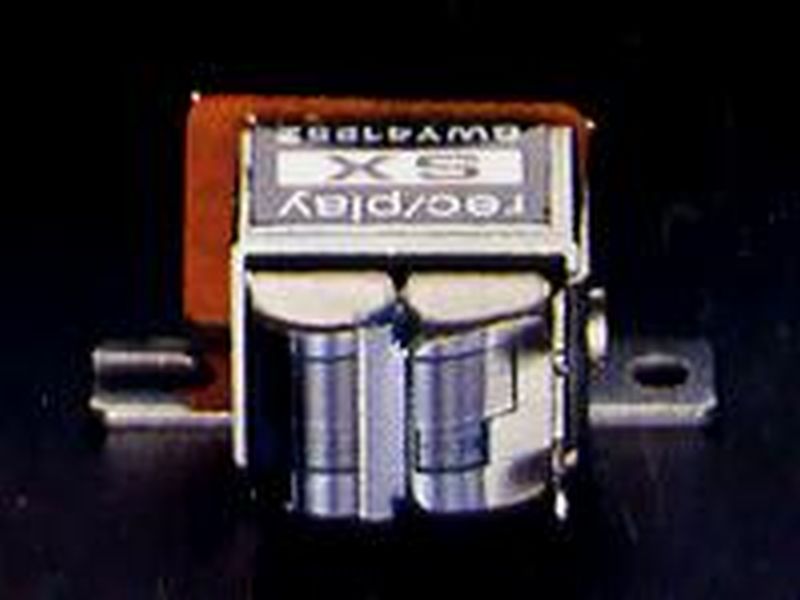
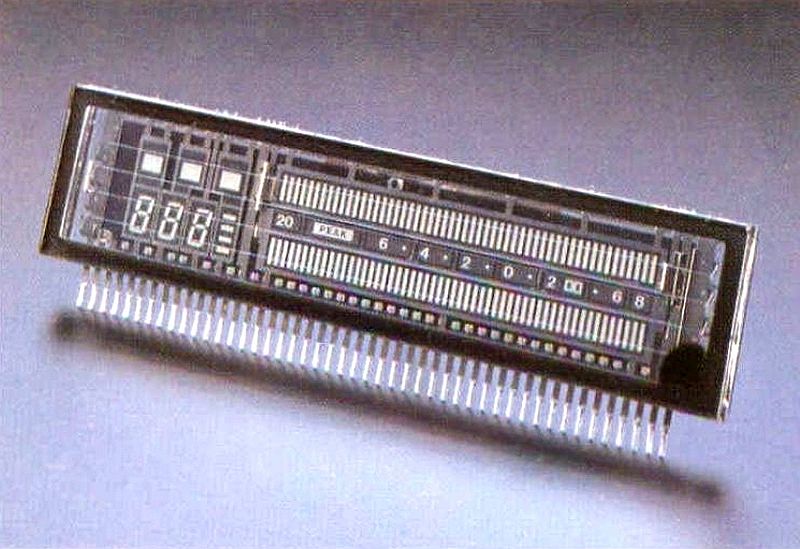
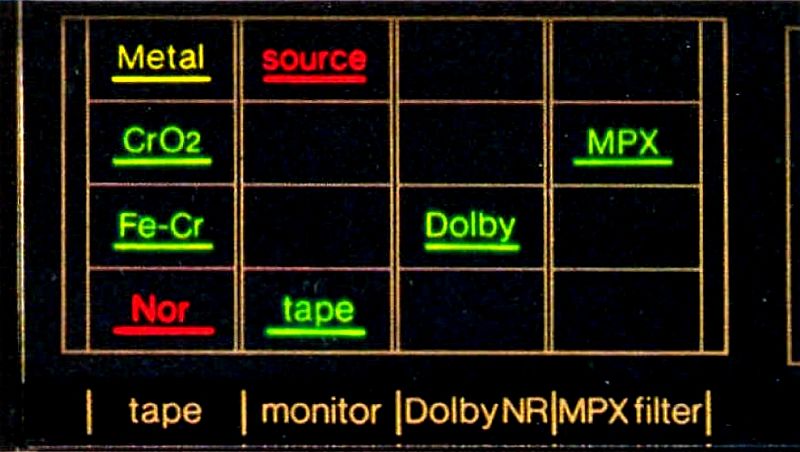
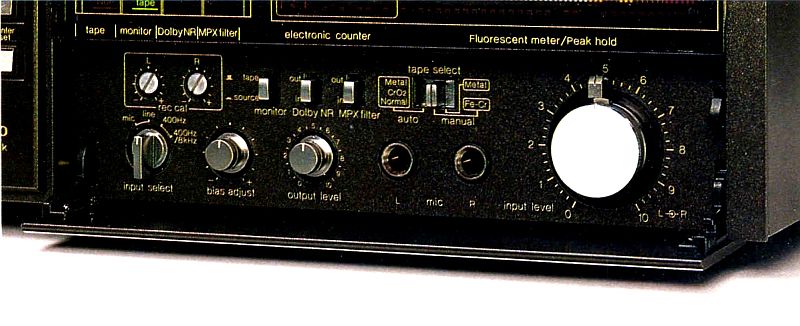
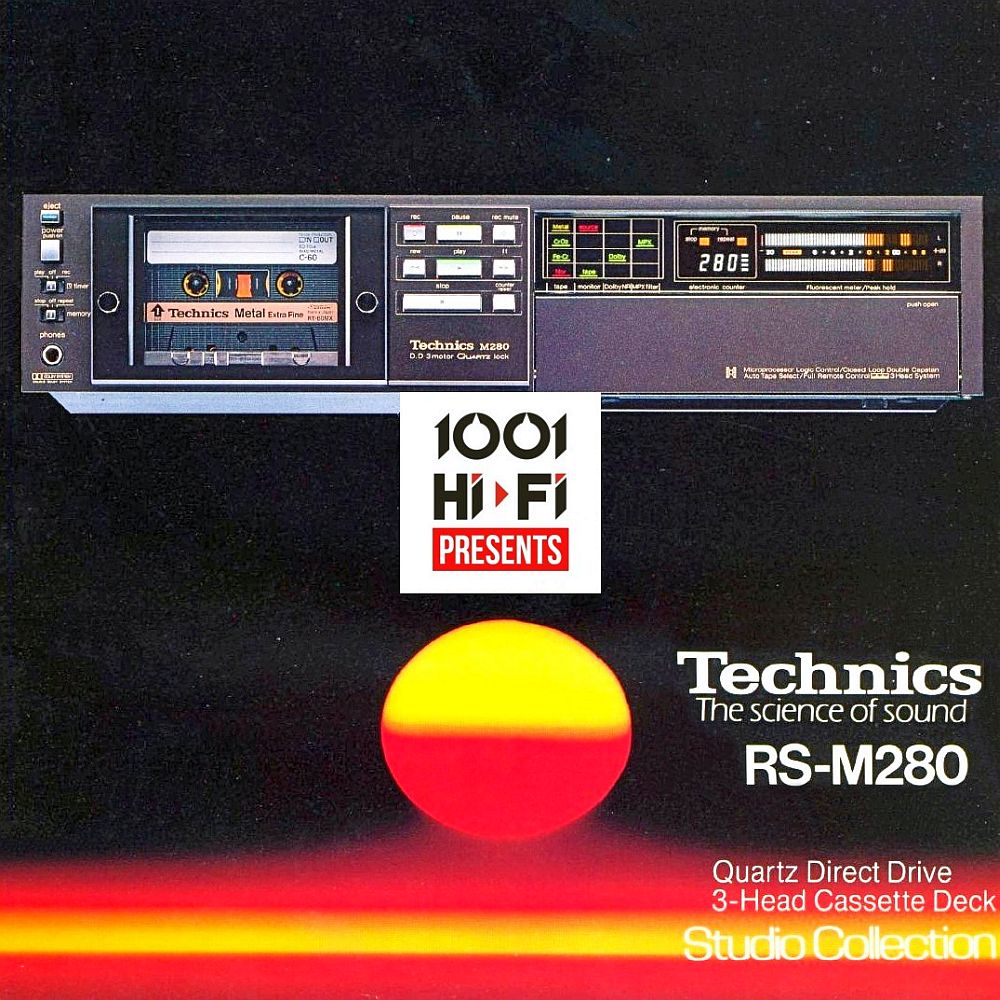
The Ultimate Expression of Cassette Deck Technology...Technics RS-M280. The RS-M280's innovative 3-motor transport system begins with the famous Technics planar-opposed direct drive motor. This brushless, coreless, slotless DC motor is renowned for accuracy, durability and compact size. Using a quartz oscillator as reference, the motor's integral FG mechanism is capable of extremely precise speed control. The result? The lowest wow and flutter ever achieved in (1981) a Technics cassette deck - a mere 0.024% (WRMS) This Direct Drive motor is the take-up capstan while the supply capstan is belt drive. For the RS-M280, Technics has constructed the take-up capstan to be slightly wider than the supply capstan - this difference is then compensated for by a corresponding difference in flywheel size. In conclusion with this system speed control is consistently accurate, and modulation noise is insignificant. The 3-Motor System of the RS-M280 uses a different approach for motor tasks. There is one motor for high-speed winding (fast forward and rewind) and another motor solely for driving the take-up reel during playback (or recording) while the Direct Drive motor is used for the take-up capstan. For the 3-Head Configuration Technics uses SX type (Sendust Extra) heads. It is manufactured by a special method that minimizes eddy currents to optimize high frequency response. SX exhibits the very high saturation flux density needed for metal tape recording. But it also provides superb response with all other tape formulations. With the RS-M280, it's easy to make the appropriate bias adjustment. To test tape response, the RS-M280 is equipped with a test-tone oscillator providing 400 Hz and 8 kHz frequencies.
TECHNICS RS-B100 (JAPAN 1983)
|
|
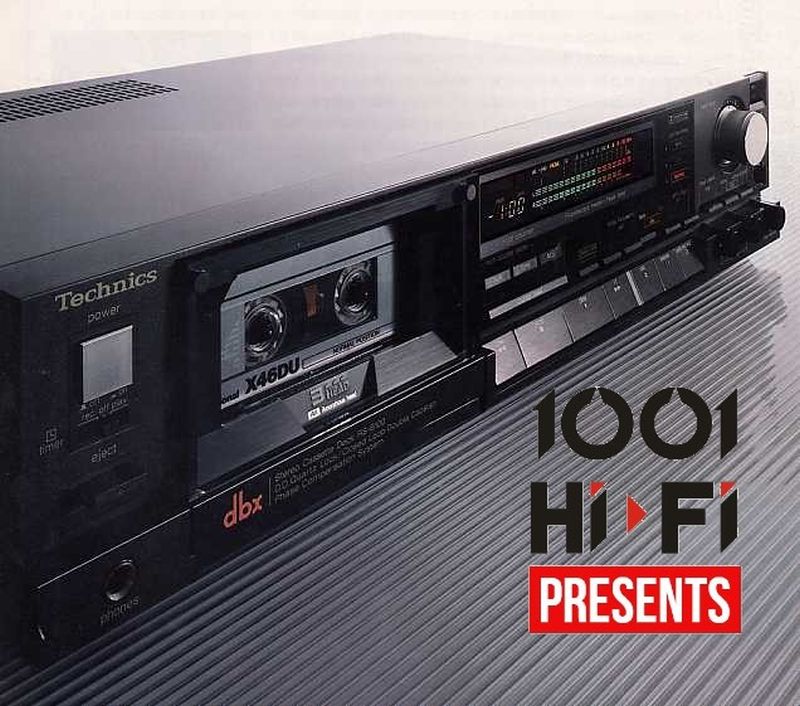
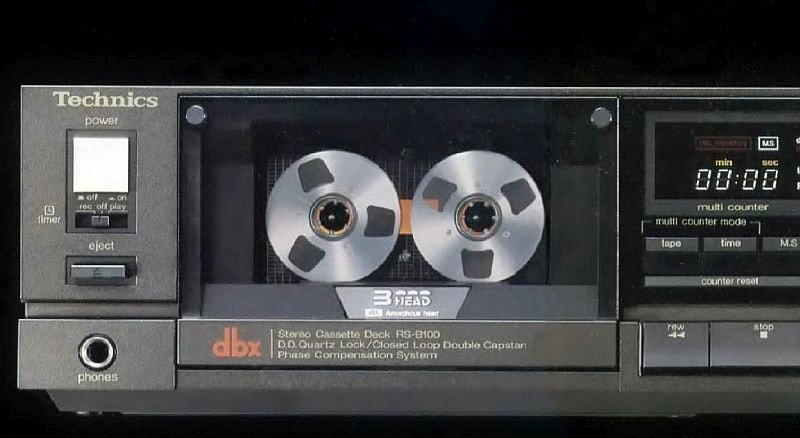
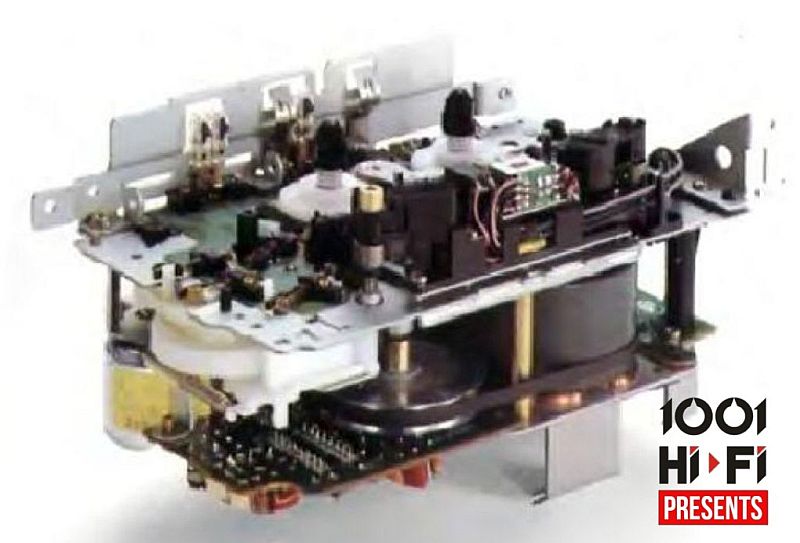
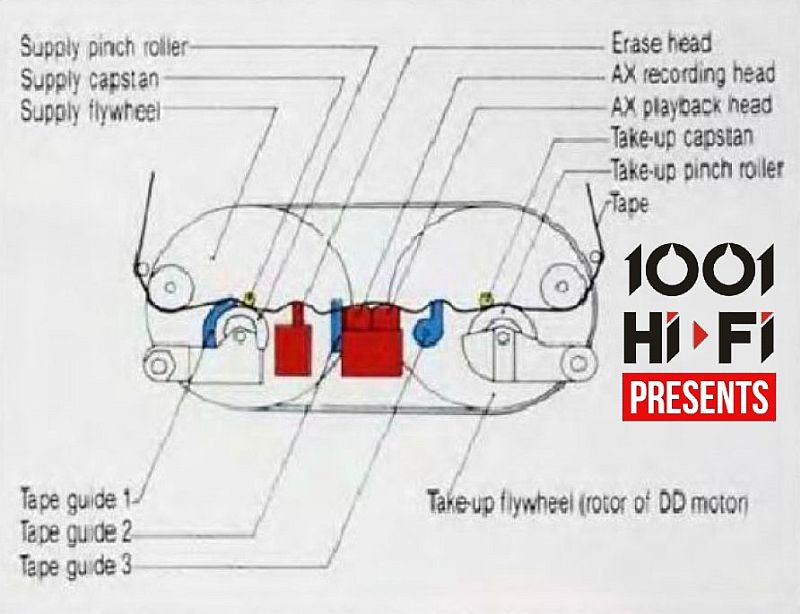
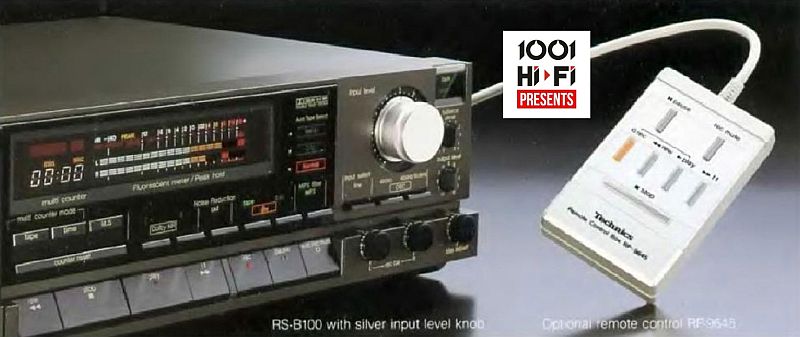
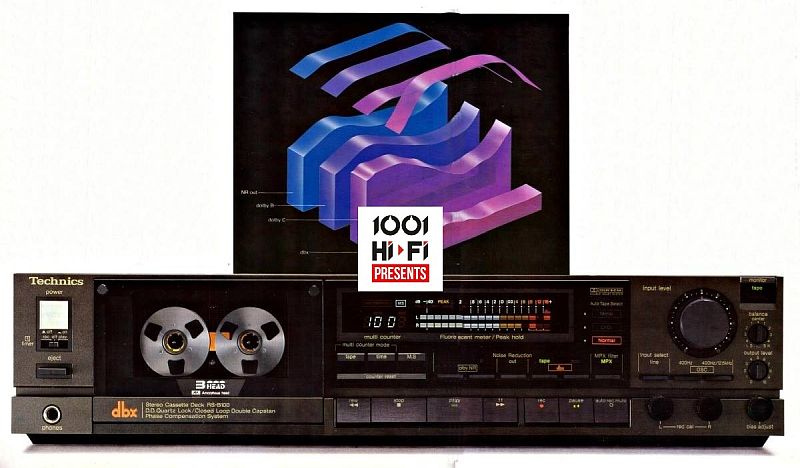
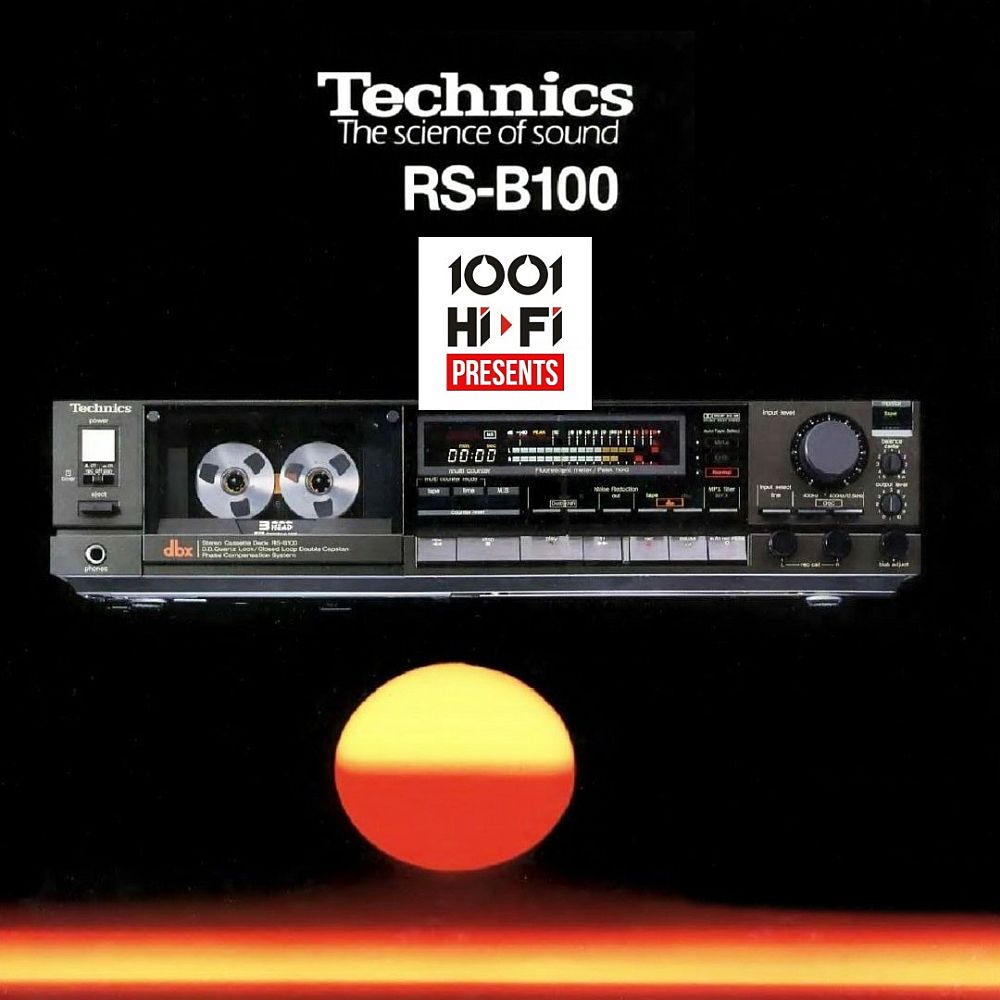
The RS-B100 cassette recorder from 1983 is a deck that brings together every feature even the most demanding audiophile could desire. The Quartz DD Closed-Loop Double Capstan is an advanced tape transport system designed to maximize speed accuracy and protect tape from outside influences when it is in contact with the heads. There are two capstans, one on either side of the head block. The take-up capstan is an extension of the Technics planar opposed direct drive motor spindle. Employed for the first time in the RS-B100, the innovative Phase Compensation circuitry rectifies high range phase linearity. So, you enjoy a dramatic improvement in sound quality. Playback amplifier performance is supplemented by direct coupled construction using dual FETs. Since there are no coupling capacitors in the signal path, you obtain the full benefits of Phase Compensation circuitry. The RS-B100 has all three of the world's finest noise reduction systems. Equally important, they are all in double circuits so you can enjoy 3-head real-time monitoring with correct NR decoding. dbx provides up to 110dB dynamic range while virtually eliminating noise. An added benefit is the built-in dbx disc decoder for playback of dbx encoded records (vinyl). Dolby C and B noise reduction assure complete compatibility with other decks and prerecorded cassettes. The MPX filter can be switched on to avoid NR mis tracking when recording FM broadcasts.
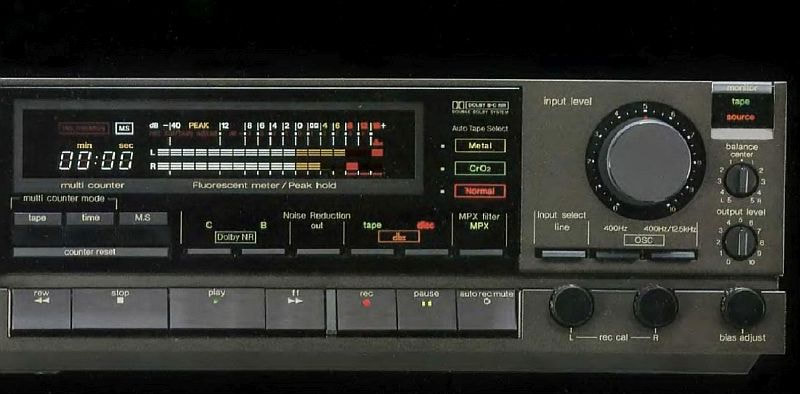
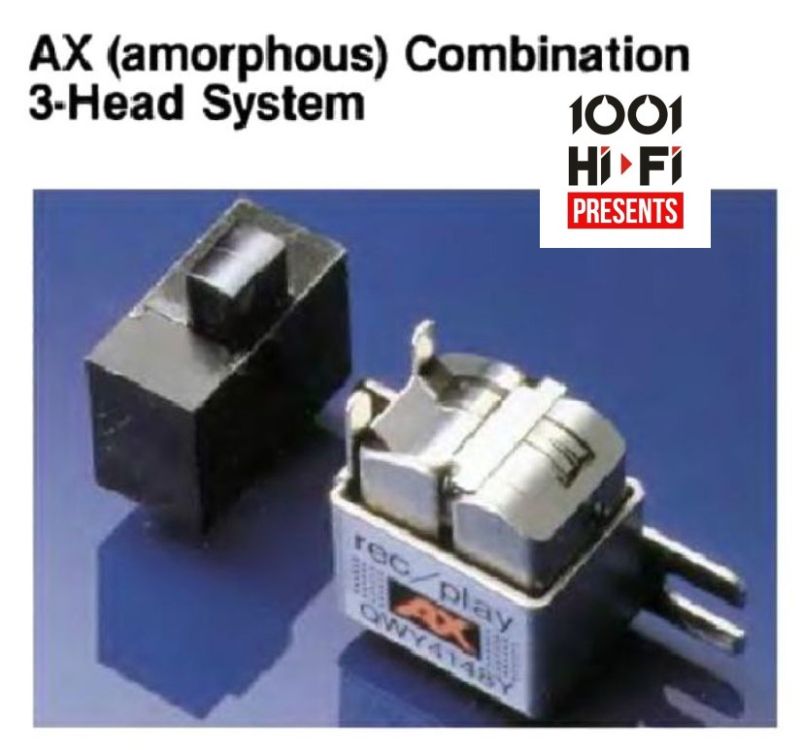
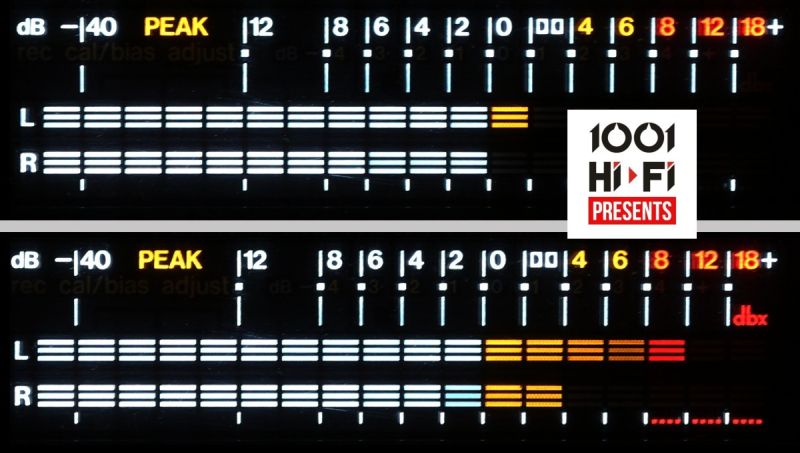
The RS-B100 features AX (amorphous) combination 3-head system. The noble metal ruthenium (Ru), combined with carefully balanced admixtures, provides higher saturation flux density in the recording head and grater permeability in the playback head. Of course, the wider 2.5 micron recording gap width also contributes to higher MOL while the narrower 0.8-micron playback head gap extends high frequency response. The Technics combination head avoids azimuth adjustment problems since the recording and playback head gap angles are precisely aligned in a computer-controlled manufacturing process. Besides the DD capstan motor, the RS-B100 uses a second, high torque, DC motor for reel drive and one additional motor to move the head block. The RS-B100's advanced metering system uses 18 fluorescent display segments to show the signal level from -40dB to +18dB. This wide range more accurately reflects the higher recording levels possible with dbx. The RS-B100 lets you take advantage of the strong points of particular tapes for specific applications. Left and right channel recording calibration is independent and bias can be adjusted for normal and chrome tapes. As shown in the photo, the meters automatically switch to 1dB-step indication when the test signal (400Hz/12.5kHz) oscillators are used. The 3-way Digital Tape Counter can be switched to show remaining tape time, elapsed rec mute time and a highly accurate 3-digit tape counter. Other features include: music search, output level control, timer capability, black and silver input level knobs included and optional remote control (RP-9645) available. Technical data: Frequency response: Metal 15-25000Hz (20-23000Hz +/-3db), Chrome 15-23000Hz (20-21000Hz +/-3dB), Normal 15-21000Hz (20-19000Hz +/-3dB) | Dynamic range 110dB with dbx | Dimensions: 430x98x273 mm | Weight 5.6kg
The RS-B100 features AX (amorphous) combination 3-head system. The noble metal ruthenium (Ru), combined with carefully balanced admixtures, provides higher saturation flux density in the recording head and grater permeability in the playback head. Of course, the wider 2.5 micron recording gap width also contributes to higher MOL while the narrower 0.8-micron playback head gap extends high frequency response. The Technics combination head avoids azimuth adjustment problems since the recording and playback head gap angles are precisely aligned in a computer-controlled manufacturing process. Besides the DD capstan motor, the RS-B100 uses a second, high torque, DC motor for reel drive and one additional motor to move the head block. The RS-B100's advanced metering system uses 18 fluorescent display segments to show the signal level from -40dB to +18dB. This wide range more accurately reflects the higher recording levels possible with dbx. The RS-B100 lets you take advantage of the strong points of particular tapes for specific applications. Left and right channel recording calibration is independent and bias can be adjusted for normal and chrome tapes. As shown in the photo, the meters automatically switch to 1dB-step indication when the test signal (400Hz/12.5kHz) oscillators are used. The 3-way Digital Tape Counter can be switched to show remaining tape time, elapsed rec mute time and a highly accurate 3-digit tape counter. Other features include: music search, output level control, timer capability, black and silver input level knobs included and optional remote control (RP-9645) available. Technical data: Frequency response: Metal 15-25000Hz (20-23000Hz +/-3db), Chrome 15-23000Hz (20-21000Hz +/-3dB), Normal 15-21000Hz (20-19000Hz +/-3dB) | Dynamic range 110dB with dbx | Dimensions: 430x98x273 mm | Weight 5.6kg
VICTOR TD-V711 (JAPAN 1988)
|
|
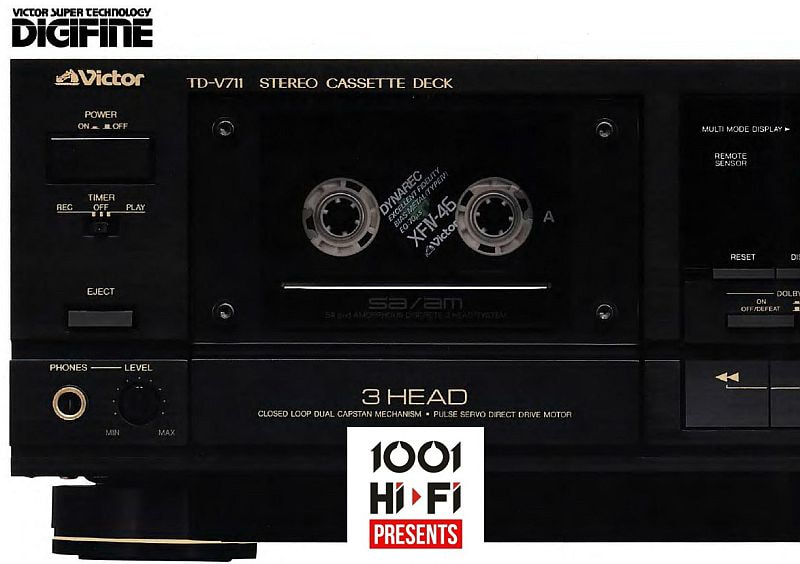
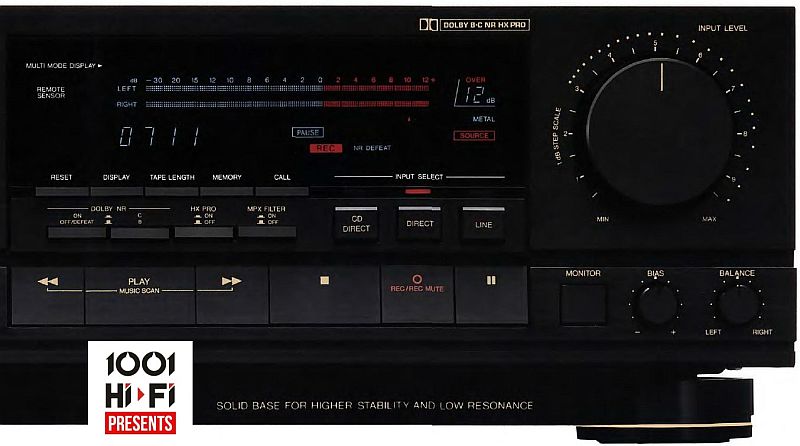
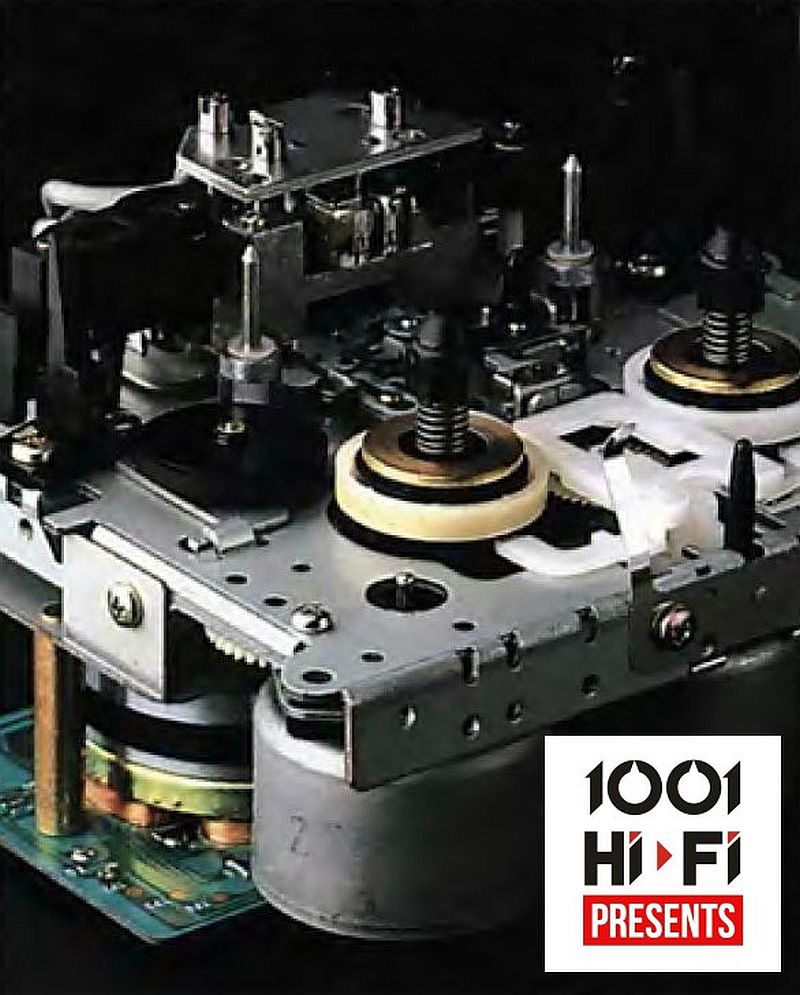
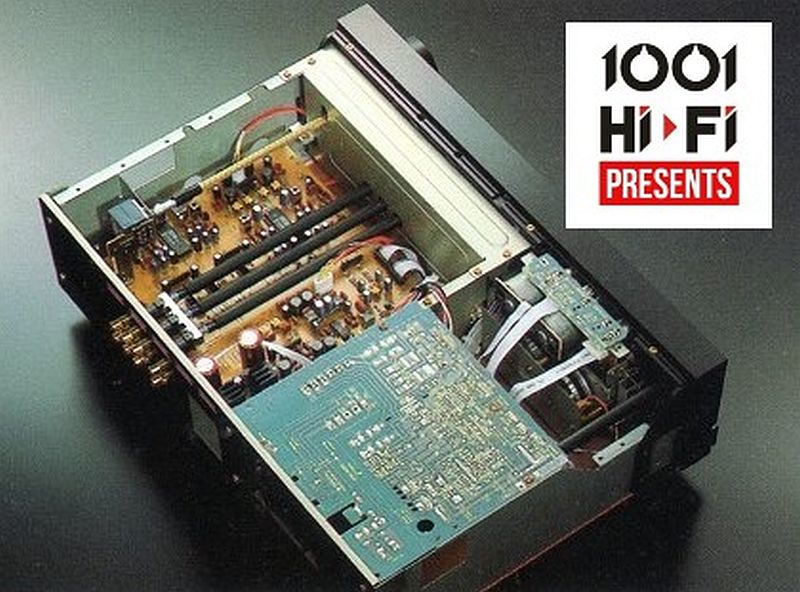
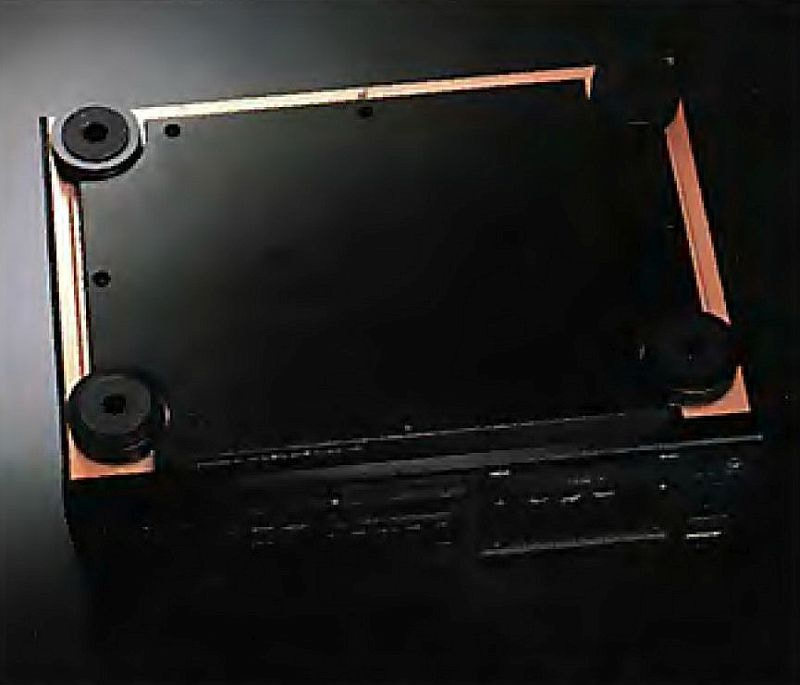
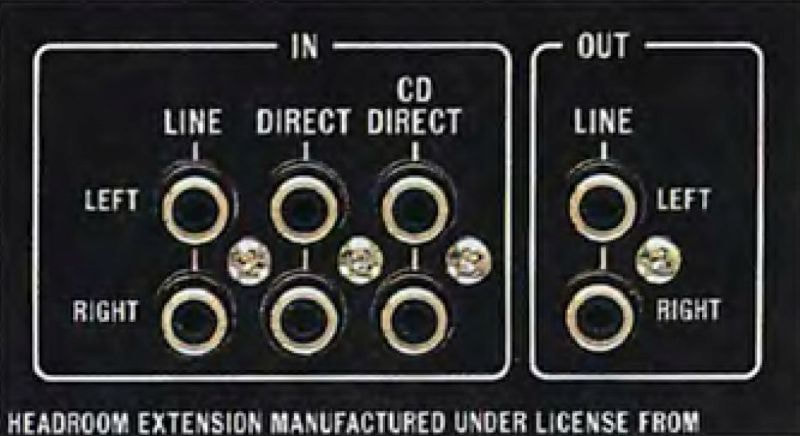
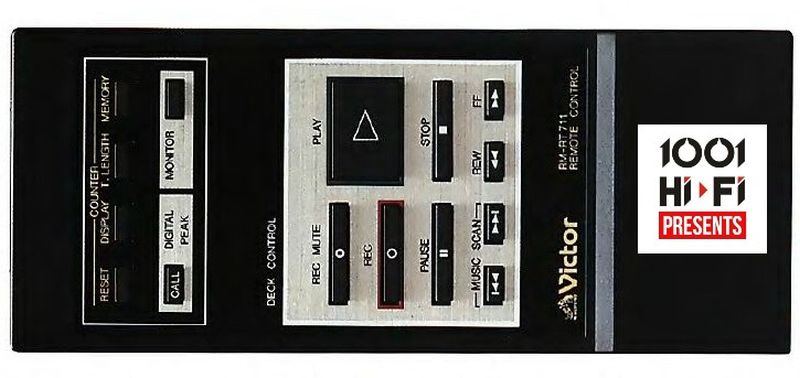
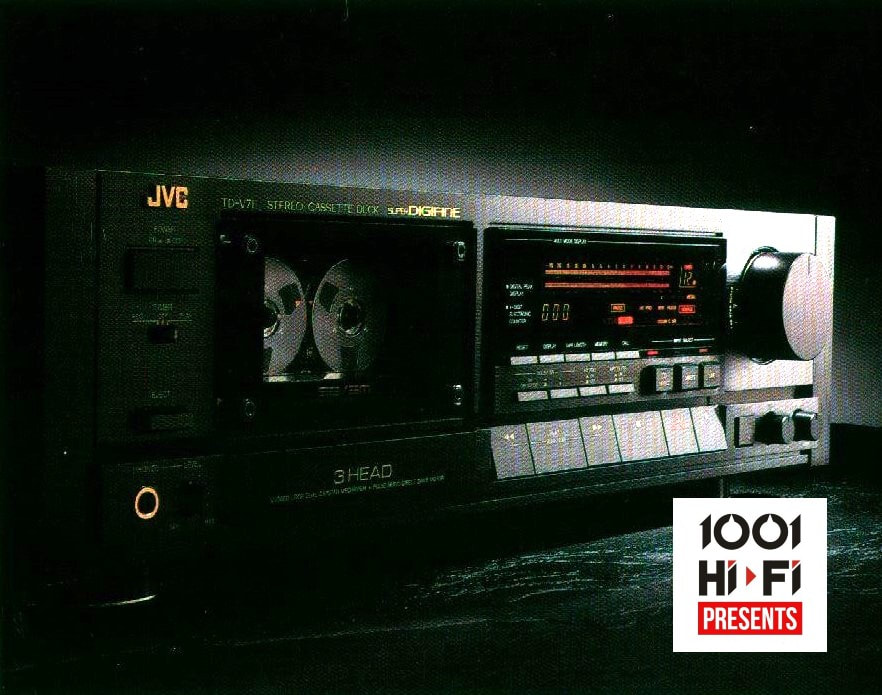
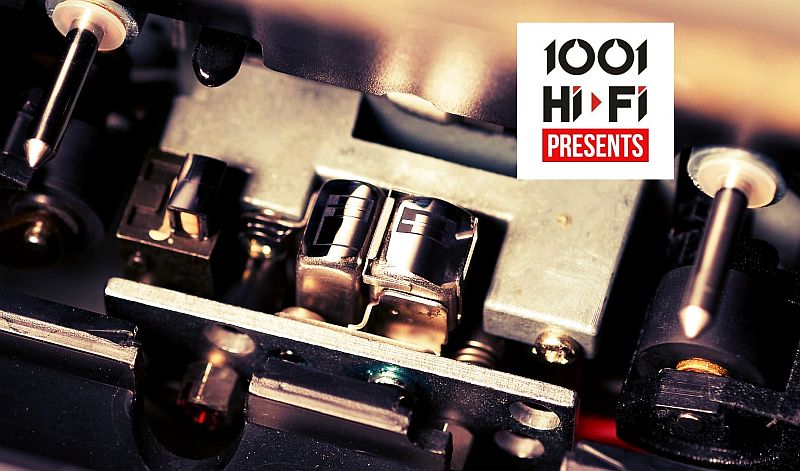
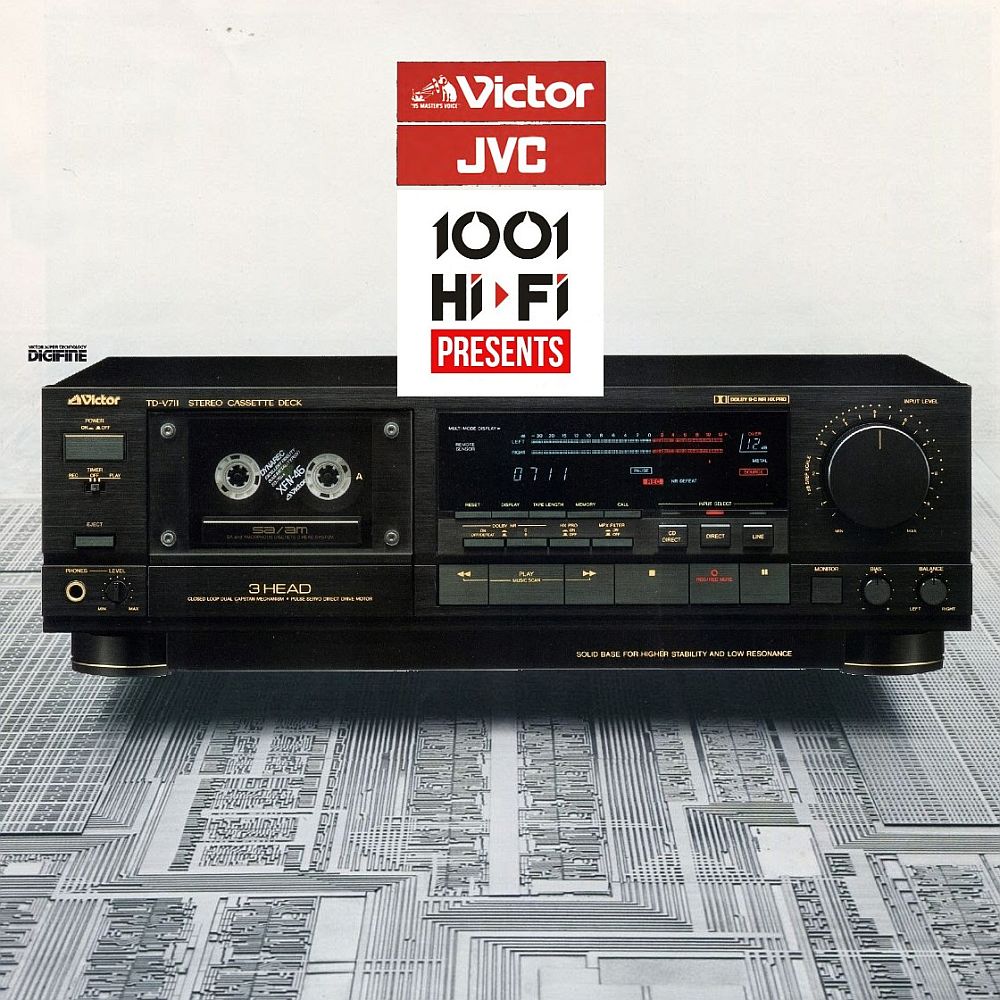
Traditionally JVC cassette decks had the cassette mechanism on the right side of the front panel. With the introduction of the TD-V711 the mechanism was moved to the left side, a solution used by most manufacturers. The TD-V711 was also the first Dual Capstan model, breaking with the tradition of single capstan 3-head decks by JVC. The TD-V711 was also the basis for the later TD-V1010TN and TD-V1050TN Titan-Line models. The Japanese market version Victor TD-V711 presented here, was introduced in 1987. This model already features the "Solid Base for Higher Stability and Low Resonance" that was only later introduced with the TD-V1010TN and TD-V1050TN models on international markets. The international version JVC TD-V711 had no solid base element but they were available with wood side panels and without remote as the Super Digifine Series. The TD-V711 has a 2+1 motor full-logic controlled "silent mechanism" with Closed-loop dual-capstan drive with Pulse Servo Direct-Drive motor. For the 3-head configuration there is a SA (Sen Alloy) recording head, Amorphous playback head and ferrite erase head. The deck features double Dolby B and C noise reduction circuit and Dolby HX-Pro headroom extension circuit. On the large multi-mode display there is a 2x16 segment fluorescent level meter with Digital Peak Display, digital tape counter and a series of function status segments. There are 3 separate source inputs at the back with front selector as well as manual Bias control for optimal recordings with any tape. Straightforward circuit layout for clean signal transmission, separate circuit construction for low interference, DC-configured amps on separate PC board as well as low-impedance voltage-tracking regulated power supply will all contribute to a dynamic reproduction with extremely low noise. Technical data: Wow & Flutter: 0.05% Peak (EIAJ), 0.022% WRMS | Frequency response: 15-21,000/19,000 Hz (-20dB EIAJ, Metal/Chrome, Normal) | Dimension: 435x140x336 mm | Weight: 10 kg | RM-RT711, standard infrared remote control for Victor version in Japan.
YAMAHA K-2000/K-1000 (JAPAN 1982)
|
|
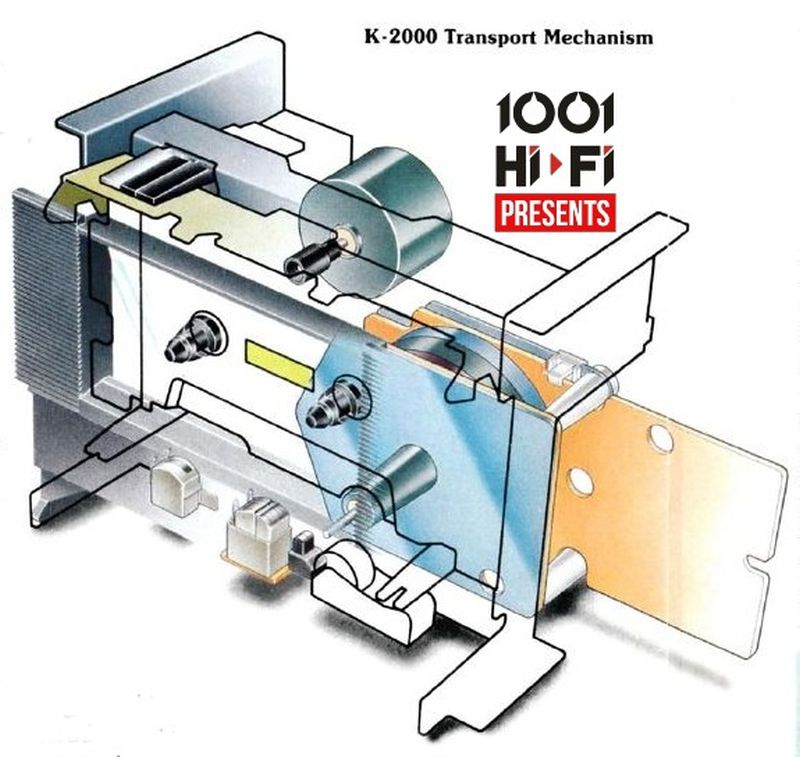
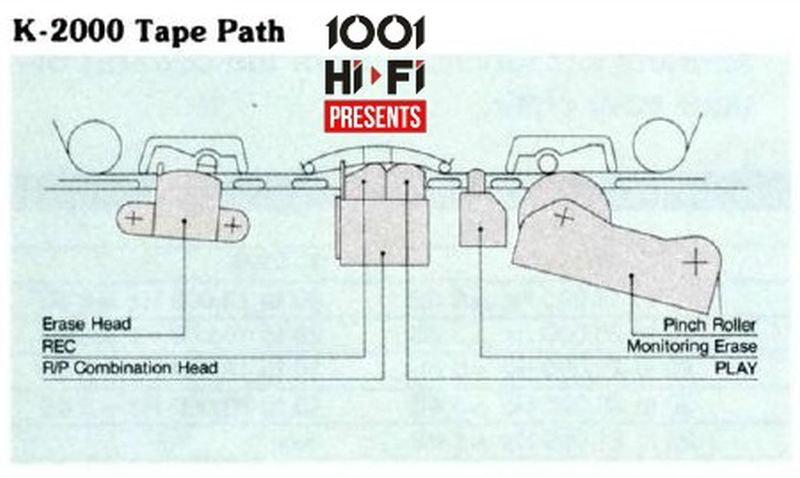
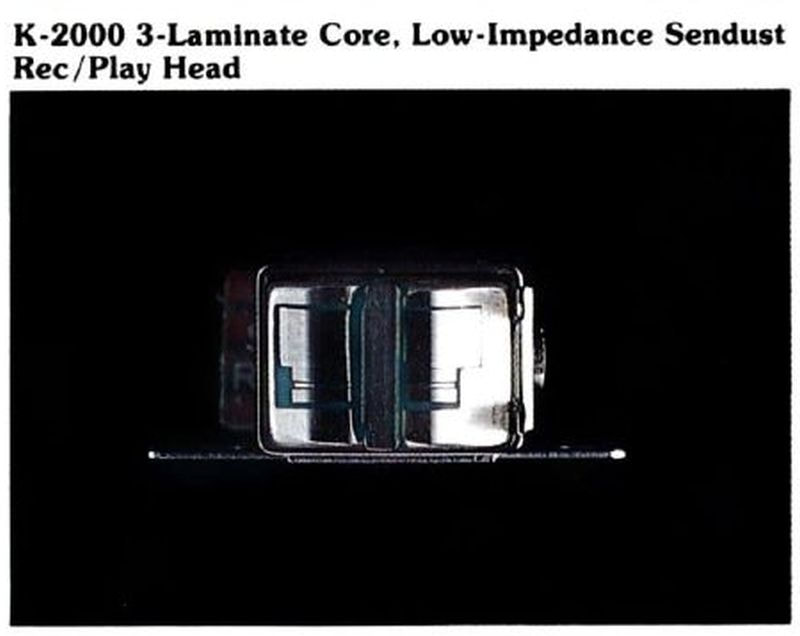
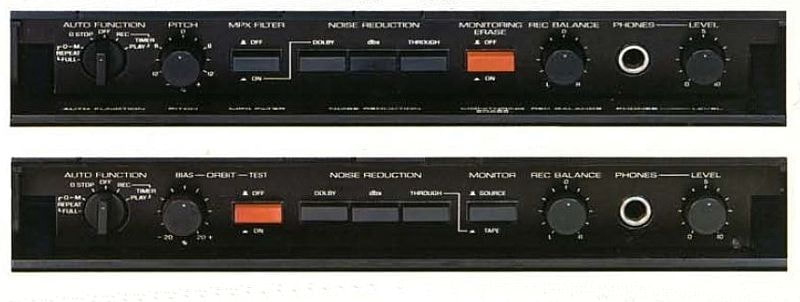
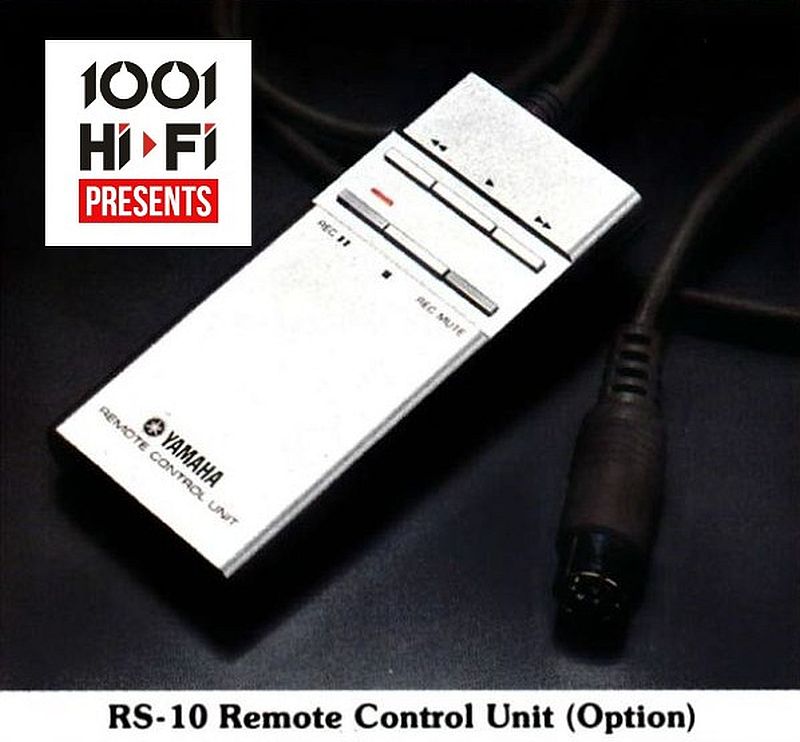
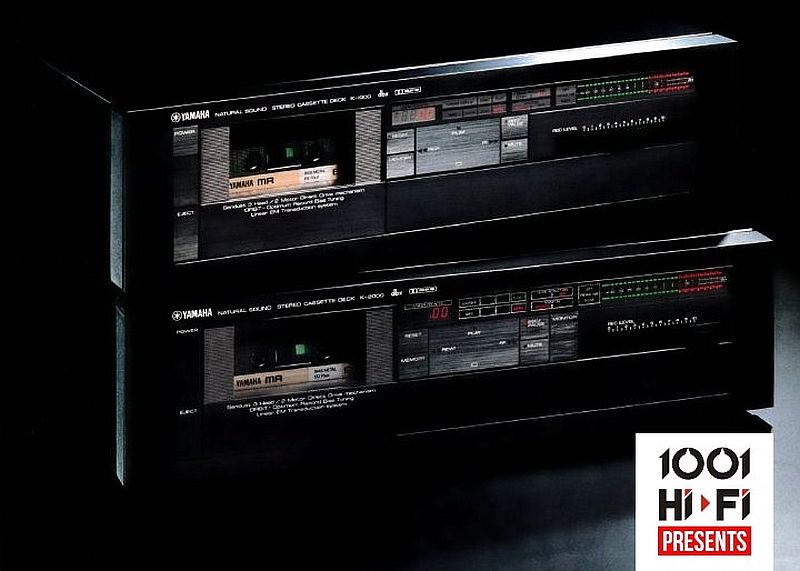
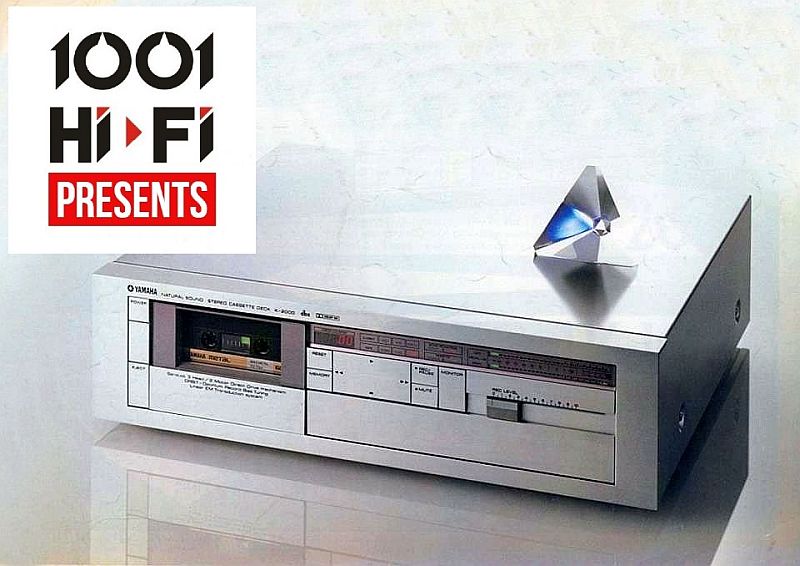
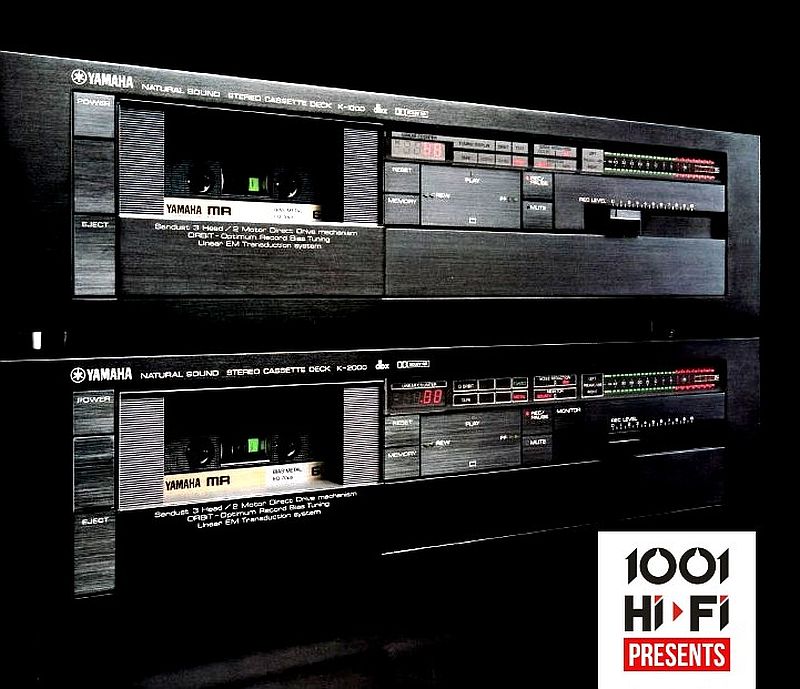
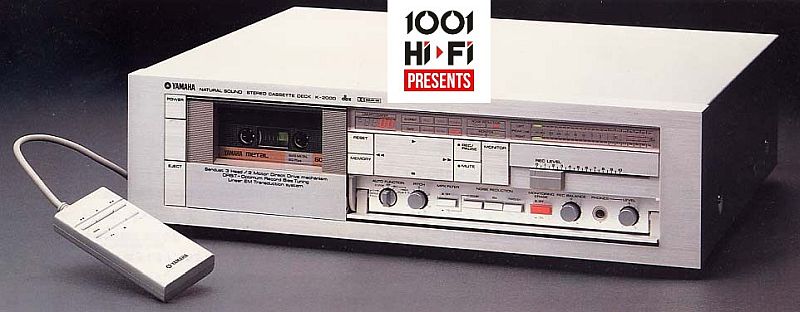
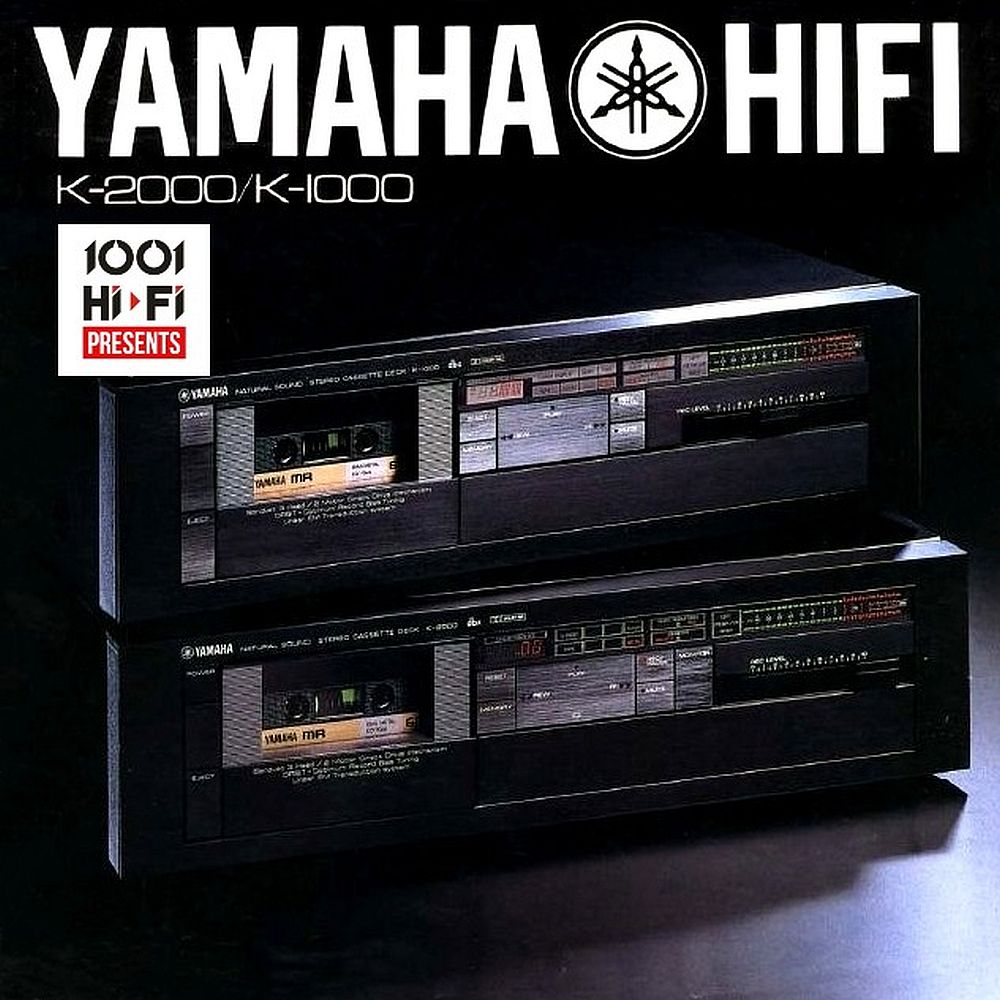
The K-2000 and K-1000 Natural Sound Cassette decks from Yamaha were introduced in 1982. They are thoroughly equipped with uncompromising technology, a combination of "spare-no-cost" engineering and innovative design. Both these decks are highly automated - thanks to built-in computers - providing an extensive range of features that are simple to use. Briefly, the K-2000 and K-1000 incorporate a specially designed two-motor, direct drive transport mechanism for smooth, silent precision, and three-head (sendust) reproduction system. Both decks employ a new Yamaha breakthrough - Linear Electromagnetic Transduction. This new system extends high signal transmission linearity to the actual point where a signal is transferred from the head to the tape - a previously uncontrollable area in the recording chain. Then there are double dbx and Dolby B noise reduction systems in the K-2000 and single dbx and Dolby B in the K-1000, ORBiT (Optimum Record Bias Tuning) for automatic, precise bias level setting, a 4-digit linear real-time counter, expanded-range LED level metering with peak hold, a number of auto/memory functions and more. The K-2000 additionally features a unique "monitoring erase" function and a broad-range pitch control. The Monitoring Erase function of the YAMAHA K-2000 is a highly original Yamaha feature that you won't find on any other cassette deck. While most modern cassette decks let you insert silences in a program being recorded by pressing a REC MUTE button, the K-2000 actually lets you selectively erase portions of a program while monitoring in the playback mode. This not only gives you much greater editing flexibility than provided by the REC MUTE function alone, but it allows you to record a program it its entirety and then edit later at your leisure - a particularly useful feature for editing timer-activated recordings made when you are away or asleep. Further accessories include a wired remote and EIA rack mount adaptor.